
It is easy to get excited about a lighting renovation. New recessed LED fixtures in the kitchen, smart dimmer switches throughout the living areas, pendant lighting over the island, maybe a statement chandelier in the entryway. For many Everett homeowners, a modern lighting upgrade feels like one of the most straightforward home improvement projects imaginable. Until the breaker trips the first time everything runs together.
What looks like a lighting project on the surface is often an electrical capacity project underneath. Before experienced lighting specialists in Everett can safely deliver the full benefit of modern lighting systems, the home’s electrical panel frequently needs to be evaluated and, in many cases, upgraded. Understanding why this step matters can save homeowners significant time, money, and frustration down the road.
The Electrical Demands of Modern Lighting Systems
Today’s lighting technology is dramatically different from the incandescent and fluorescent systems that were standard in Everett homes built in the 1970s, 1980s, and 1990s. Modern lighting systems often include:
- LED recessed fixtures with integrated drivers
- Smart lighting controls and wireless dimmers
- Under-cabinet lighting and accent systems
- Outdoor landscape and security lighting
- Color-changing and tunable white fixtures
- Whole-home lighting automation systems
While LED technology is individually more energy-efficient than older bulbs, modern lighting projects typically add circuits, increase the number of controlled loads, and introduce smart devices that place steady, always-on draws on the electrical system. When an older panel is already running near capacity, even a well-designed lighting installation can push the system beyond safe operating parameters.
Why Older Electrical Panels Struggle with Modern Lighting Installations
A significant portion of homes in Everett and surrounding Snohomish County communities were constructed during the post-war residential boom through the mid-1990s. Many of these homes still have their original 100-amp service panels, and some in older neighborhoods like Riverside, Delta, and South Everett may have even older fuse-based systems.
The 100-Amp Capacity Problem
A 100-amp electrical service was considered generous for the typical household of the 1960s and 1970s, when families relied on a few major appliances and simple lighting circuits. Today, a typical Everett household runs:
- Central air conditioning or a heat pump
- Electric water heater or tankless unit
- Washer, dryer, and dishwasher
- Home office equipment and multiple flat-screen televisions
- EV charger or car charging station
- Smart home hubs and networking equipment
- Modern kitchen appliances
Adding a sophisticated whole-home lighting system on top of these existing loads can easily exceed what a 100-amp panel can safely deliver, particularly during evening hours when lighting, heating or cooling, and entertainment systems all run simultaneously.
Outdated Breaker Slots and Circuit Limitations
Beyond raw amperage capacity, older panels often have a limited number of breaker slots. A full-scale lighting renovation may require several new dedicated circuits, particularly for kitchen under-cabinet lighting, bathroom vanity circuits, and outdoor lighting runs. When the panel has no available slots, residential electricians must either use tandem breakers, which are not always code-compliant, or recommend a panel upgrade before the project can proceed safely.
Compatibility with Smart Lighting Controls
Modern smart dimmers and lighting control systems often have specific wiring requirements that older electrical systems do not meet. Many require a neutral wire in every switch location, which was not standard in older construction. Running a neutral wire back to older switches in a home with outdated wiring may involve more extensive work than anticipated, and doing so safely requires evaluation by experienced residential electricians.
What Is an Electrical Panel Upgrade and When Is It Needed?
An electrical panel upgrade in Everett typically involves replacing the main service panel with a modern unit that offers higher amperage capacity, additional breaker slots, and improved safety features like arc fault circuit interrupter (AFCI) and ground fault circuit interrupter (GFCI) protection.
Most modern homes are served by 200-amp panels, which provide significantly more capacity than older 100-amp services and enough room to support current and future electrical demands including EV charging, heat pumps, and expanded lighting systems.
Signs That a Panel Upgrade Is Needed Before a Lighting Project
- The existing panel has no available breaker slots for new lighting circuits
- Breakers trip regularly when multiple appliances or lighting zones run together
- The panel is a known recalled brand such as Federal Pacific, Zinsco, or pushmatic models
- The home has aluminum wiring that needs evaluation before adding new loads
- The panel is over 25 years old and shows signs of wear or overheating
- You are planning to add outdoor lighting, landscape lighting, or a significant number of new interior circuits
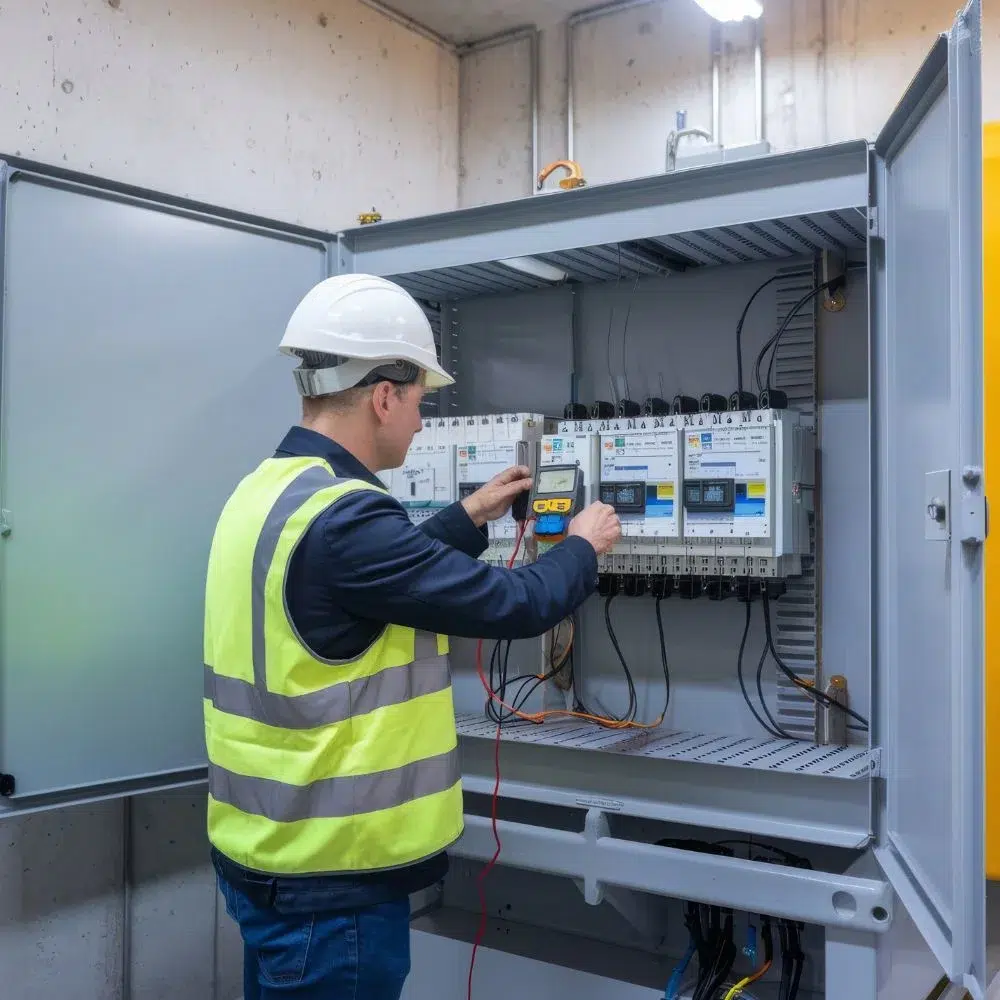
A licensed electrician performing a load calculation before the lighting project begins can determine whether the existing service has the capacity to support the planned installation safely.
How a Panel Upgrade Improves the Lighting Installation Experience
Homeowners in Everett who invest in an electrical panel upgrade before their lighting renovation often find that the entire project goes more smoothly, costs less over the long term, and delivers better results than expected.
More Circuit Flexibility
A new 200-amp panel with available slots gives lighting specialists in Everett the freedom to design the system properly. Each lighting zone can have its own dedicated circuit, which improves dimming performance, reduces interference between smart controls, and makes troubleshooting much simpler over time.
Code Compliance and Inspection Readiness
Lighting renovations that involve new circuits and wiring typically require an electrical permit and inspection in Washington State. An upgraded panel ensures the work begins from a code-compliant foundation, reducing the risk of inspection failures and required rework. Starting a lighting project on a panel that already has code violations can create significant complications during the permit process.
Better Performance from Smart Lighting Systems
Smart lighting systems and wireless dimmers are sensitive to electrical noise and voltage fluctuations. A newer panel with proper grounding, bonding, and surge protection delivers the stable voltage environment these systems require for reliable, responsive performance. Homeowners who install smart lighting on an unstable older panel frequently report flickering, delayed responses, and connectivity issues that disappear after the panel is upgraded.
Future-Proofing for Additional Home Upgrades
An electrical panel upgrade in Everett is rarely just about the immediate project. A modern 200-amp panel creates capacity for future improvements including EV chargers, solar panel integration, battery backup systems, heat pump water heaters, and additional circuits as the home grows and evolves. Completing the panel upgrade alongside a lighting renovation is a natural opportunity to address both needs in a single project with coordinated permitting and inspection.
What to Expect During a Combined Panel Upgrade and Lighting Installation
When residential electricians perform both a panel upgrade and a lighting installation as a coordinated project, homeowners benefit from streamlined scheduling, a single permitting process, and reduced overall disruption to the home.
Step-by-Step Overview of the Process
- Initial electrical load calculation and panel assessment
- Permit application for panel replacement and new wiring
- Utility coordination with Snohomish County PUD for service upgrade if needed
- Panel removal and installation of new service equipment
- Rough-in wiring for new lighting circuits
- Inspection of rough wiring by local building authority
- Fixture installation and smart control programming
- Final inspection and system testing
The timeline for a combined project typically ranges from two to four days depending on the scope of the lighting design and whether the utility needs to upgrade the service entrance from the street.
The Real Cost of Skipping the Panel Evaluation
Some homeowners choose to proceed with lighting installations without addressing panel capacity, hoping the existing system will be sufficient. In Everett homes with aging infrastructure, this approach frequently leads to:
- Tripped breakers during normal evening use
- Flickering lights caused by voltage drops under load
- Failed smart dimmer compatibility due to wiring deficiencies
- Required rework after a failed electrical inspection
- Additional service calls and labor costs to address problems that should have been caught upfront
The cost of addressing electrical panel issues after a lighting installation is almost always higher than addressing them beforehand, because electricians must work around completed finish work, installed fixtures, and walls that have already been repaired and painted.
Frequently Asked Questions
How do I know if my Everett home needs a panel upgrade before a lighting project?
A licensed electrician can perform a load calculation and visual inspection of your current panel to determine available capacity. If your panel is older than 25 years, has a history of tripping breakers, or has limited open slots, an upgrade is likely the right starting point.
Can lighting specialists in Everett complete a project without an electrician?
Fixture swaps like replacing an old fixture with a new one on an existing circuit may not require an electrician for the installation itself. However, any project involving new circuits, new wiring, or smart lighting system integration should be handled by licensed residential electricians to ensure code compliance and safety.
What is the difference between a panel upgrade and a panel replacement?
A panel replacement involves swapping an old panel for a new one of the same amperage capacity, often done when the old panel is recalled or has safety issues. A panel upgrade increases the amperage service to the home, typically from 100 to 200 amps, providing additional capacity for current and future electrical loads.
Does an electrical panel upgrade in Everett require a permit?
Yes. Panel upgrades in Everett require an electrical permit and inspection from the city or Snohomish County, and the utility must disconnect and reconnect service at the meter. Licensed electricians handle this coordination as part of the project.
How long does an electrical panel upgrade typically take in an Everett home?
Most residential panel upgrades are completed within one day, though utility scheduling for service disconnection may extend the overall timeline. When combined with a lighting installation, the full project typically takes two to four days.
Ready to Upgrade Your Lighting the Right Way? Talk to In-House Electric
Modern lighting transforms the feel of any home in Everett, but doing it right means starting with a solid electrical foundation. At In-House Electric, our experienced residential electricians and lighting specialists in Everett approach every project with a complete understanding of your home’s electrical system, not just the fixtures you want to install.
We handle electrical panel upgrades in Everett, new circuit installation, smart lighting wiring, and full-scale lighting renovations for homeowners throughout Everett, Lynnwood, Mukilteo, Lake Stevens, and across Snohomish County. With over 15 years of experience serving Puget Sound homeowners, we bring licensed expertise, upfront pricing, and a workmanship warranty to every job.
Call In-House Electric at 425-760-3203 or schedule your electrical panel assessment online at inhouseelectric.com. Let us help you plan a lighting upgrade that looks great, runs safely, and stands up to everything your Everett home demands for years to come.