
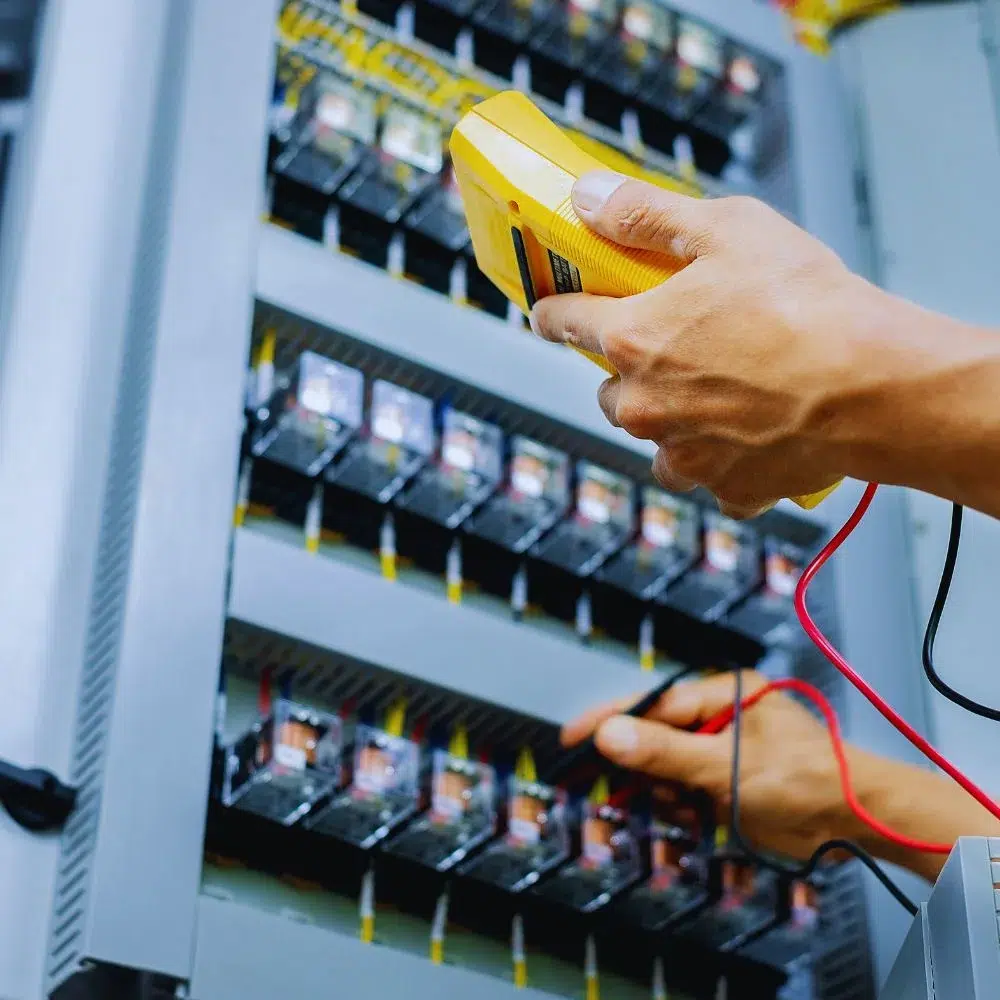
Imagine it’s a rainy evening, and you’re preparing dinner after a long day. Suddenly, the kitchen lights flicker, the microwave shuts off, and the circuit breaker trips again. You reset it, hoping it was just a one-time issue. A few days later, the same problem returns this time while charging devices and running the dishwasher. What seems like a minor inconvenience could actually be your home’s electrical system warning you about a much bigger problem. Ignoring these signs may lead to expensive repairs, damaged appliances, or even electrical fire hazards. Understanding how electrical circuits work empowers homeowners to recognize early warning signs and take action before small issues become major safety concerns.
Most electrical failures don’t happen overnight. They develop gradually through overloaded circuits, aging wiring, or worn-out breakers. The good news? Learning what causes these problems and knowing when to seek professional help can save you thousands of dollars while protecting your home and family. If you’ve been searching for circuit repair in Lynnwood or wondering whether it’s time to look for rewiring services near me, this guide will help you make informed decisions with confidence.
Why Do Electrical Circuits Matter in Modern Lynnwood Homes?
Electrical circuits are the backbone of every home. They distribute electricity safely from your electrical panel to lighting, outlets, appliances, and smart devices. Without properly functioning circuits, even routine daily tasks become difficult and potentially dangerous.
Homes throughout Lynnwood vary in age, construction style, and electrical capacity. Many older properties were designed decades before today’s high-powered appliances, home offices, electric vehicle chargers, and entertainment systems became common. As electrical demand increases, aging circuits often struggle to keep up.
When circuits are overloaded or components begin wearing out, homeowners may notice:
- Breakers that trip repeatedly
- Lights that flicker unexpectedly
- Outlets that stop working
- Burning odors near switches
- Warm electrical panels
- Buzzing sounds behind walls
These are not problems to ignore they’re early warning signs that your electrical system deserves professional attention.
How Do Electrical Circuits Work Inside Your Home?
Understanding the basics of how your home’s electrical circuits operate makes it much easier to recognize warning signs before they become costly emergencies. Knowing how electricity flows, what causes circuit failures, and when professional repairs are needed helps protect your family, appliances, and property while reducing the risk of unexpected outages and electrical hazards.
Here’s how electricity travels through your home:
1. Power Enters the Main Electrical Panel
Electricity flows into your home from the utility company and reaches the main service panel, often called the breaker box.
2. Circuit Breakers Control Electrical Flow
Each breaker protects an individual circuit by monitoring how much electricity flows through it. If the electrical load exceeds the circuit’s safe capacity, the breaker trips to prevent overheating.
3. Electricity Travels Through Wiring
Electrical wiring carries power from the panel to outlets, switches, lighting fixtures, and appliances throughout your home.
4. Appliances Complete the Circuit
When you turn on a device, electricity flows through the appliance before safely returning through the circuit.
When every component works correctly, your home’s electrical system operates efficiently. Problems arise when any part of this pathway becomes damaged, overloaded, or outdated.
What Causes Electrical Circuits to Fail?
Most electrical circuit failures don’t happen suddenly—they develop gradually due to overloaded circuits, aging wiring, loose electrical connections, moisture damage, or worn-out breakers. Recognizing these warning signs early allows homeowners to address minor issues before they lead to unexpected power outages, expensive repairs, damaged appliances, or serious electrical safety hazards.
1. Overloaded Circuits
Today’s households use more electricity than ever before. Running multiple high-powered appliances on the same circuit can overload the system.
Common culprits include:
- Portable heaters
- Air fryers
- Microwaves
- Refrigerators
- Hair dryers
- Window air conditioners
Repeated overloads shorten the lifespan of both breakers and wiring.
2. Aging Electrical Wiring
Electrical wiring naturally deteriorates as homes age. Loose connections, brittle insulation, and outdated materials increase the likelihood of power interruptions and overheating.
Many homeowners searching online for rewiring services near me discover that replacing old wiring provides a safer, longer-lasting solution than making repeated repairs.
3. Faulty Circuit Breakers
Circuit breakers aren’t designed to last forever. Years of repeated tripping eventually wear out their internal mechanisms.
Signs of a failing breaker include:
- Breakers that trip too often
- Breakers that won’t reset
- Burning smells near the panel
- Breakers that feel unusually warm
Replacing a worn breaker promptly helps maintain the safety of your electrical system.
4. Moisture and Environmental Damage
The Pacific Northwest climate can expose electrical systems to moisture, especially in garages, crawl spaces, outdoor outlets, and unfinished basements. Moisture contributes to corrosion, weakening electrical connections and increasing the risk of failure.
5. Improper DIY Electrical Work
While online tutorials may make electrical repairs appear simple, improper installations often create hidden hazards. Loose wire connections, overloaded circuits, and incorrect breaker sizing can compromise your home’s safety for years before problems become visible.
Hiring qualified professionals helps ensure every repair meets current electrical codes and safety standards.
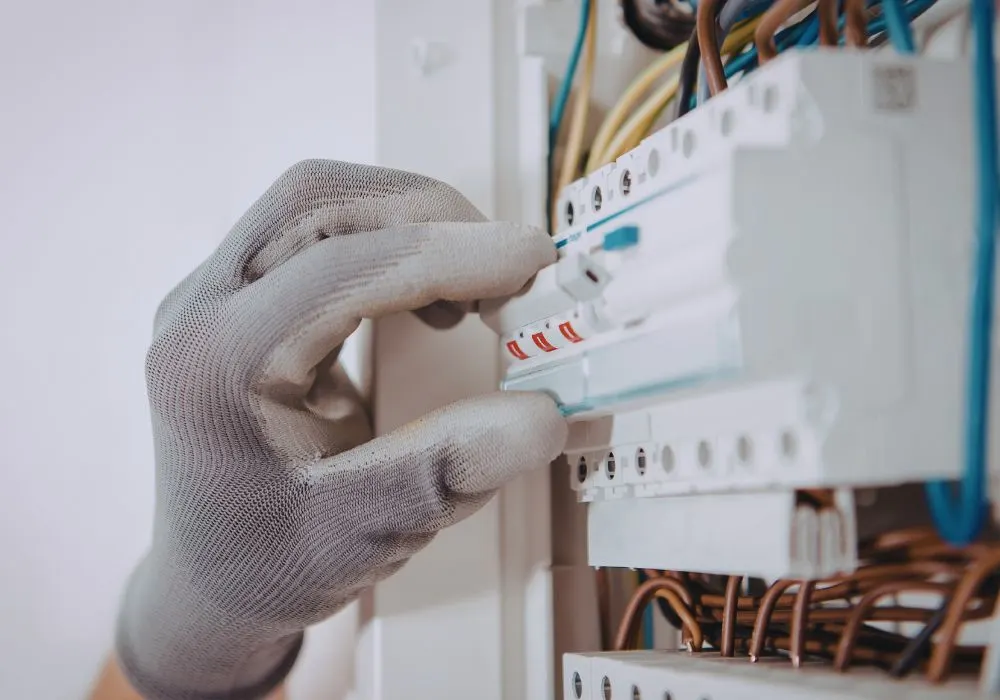
What Warning Signs Mean You Need Professional Circuit Repair in Lynnwood?
Electrical systems often provide clear warning signals before a complete failure occurs. Recognizing these symptoms early can prevent extensive property damage and improve household safety.
Contact a licensed electrician if you notice:
- Circuit breakers that trip repeatedly
- Flickering or dimming lights
- Buzzing outlets or switches
- Burning odors near electrical fixtures
- Frequently dead outlets
- Sparks when plugging in appliances
- Warm switches or outlets
- Sudden power loss in one area of your home
Ignoring these issues can allow minor electrical faults to develop into serious hazards requiring far more extensive repairs.
How Early Action Prevented a Costly Electrical Emergency
A homeowner in Lynnwood experienced frequent breaker trips whenever the dishwasher, microwave, and coffee maker operated at the same time. Initially, resetting the breaker seemed like a quick fix, so the issue was ignored for several weeks.
After scheduling an inspection with In-House Electrical Services, technicians performed a comprehensive electrical assessment. They discovered deteriorating branch circuit wiring hidden behind the kitchen walls, along with an aging breaker that was no longer providing reliable protection. Left unresolved, the overheating wiring could have caused significant damage and increased the risk of an electrical fire.
Instead of waiting for an emergency, the homeowner approved targeted repairs and a circuit breaker replacement. The result was a safer electrical system, reliable power throughout the kitchen, and peace of mind knowing the problem had been addressed before it escalated into a much more expensive repair.
How Do Professional Electricians Diagnose Circuit Problems?
Electrical issues are rarely as simple as replacing a breaker. A licensed electrician follows a structured diagnostic process to identify the root cause instead of treating the symptom. This approach not only restores power but also improves the long-term safety and reliability of your home’s electrical system.
Step 1: Perform a Comprehensive Electrical Inspection
Every service begins with a detailed inspection of the electrical panel, branch circuits, outlets, switches, and visible wiring. This helps identify signs of overheating, corrosion, loose connections, or code violations that may be contributing to recurring issues.
Step 2: Test the Circuit Load
Electricians measure how much electricity each circuit is carrying. If multiple high-demand appliances are connected to one circuit, they may recommend adding dedicated circuits or redistributing the electrical load to prevent future overloads.
Step 3: Inspect Wiring and Connections
Hidden wiring problems often go unnoticed until they cause repeated breaker trips or intermittent power loss. Professionals check for damaged insulation, loose terminals, and worn wiring that can compromise safety.
Step 4: Evaluate the Circuit Breaker
A breaker that trips too often or fails to trip when needed may no longer provide adequate protection. Replacing a faulty breaker is often the safest and most cost-effective solution.
Step 5: Recommend Long-Term Improvements
Instead of offering a temporary fix, experienced electricians provide recommendations based on your home’s electrical demands. This may include panel upgrades, dedicated appliance circuits, or partial rewiring to improve system performance and safety.
Why Do So Many Homeowners Search for Rewiring Services Near Me?
Electrical wiring isn’t designed to last indefinitely. As homes age and technology continues to evolve, older wiring systems may struggle to meet today’s increased electrical demands safely. Outdated or deteriorating wiring can lead to frequent breaker trips, flickering lights, overheating, and potential fire hazards, making timely inspections and upgrades essential for protecting your home and family.
You may need rewiring services near me if your home has:
- Frequently tripping breakers
- Two-prong outlets
- Aluminum or aging wiring
- Flickering lights in multiple rooms
- Discolored outlets or switches
- Home additions with outdated electrical connections
- Limited outlets requiring excessive extension cords
Rewiring isn’t just about replacing old wires. It’s an investment in your family’s safety, your home’s value, and your electrical system’s ability to support today’s lifestyle.
How Can You Prevent Electrical Circuit Problems?
Preventive maintenance is one of the smartest ways to reduce repair costs and avoid unexpected outages. Small habits can make a significant difference in protecting your home’s electrical system.
Follow These Best Practices
- Avoid plugging multiple high-powered appliances into the same circuit.
- Schedule routine electrical inspections, especially if your home is more than 20 years old.
- Replace damaged outlets, switches, and extension cords promptly.
- Test GFCI outlets regularly to ensure they function properly.
- Never ignore burning smells, buzzing sounds, or flickering lights.
- Install dedicated circuits for large appliances such as refrigerators, HVAC systems, and EV chargers.
- Trust licensed professionals for electrical repairs instead of attempting DIY fixes.
Taking proactive steps today can help you avoid expensive emergency repairs tomorrow.
Why Choose In-House Electrical Services for Your Electrical Needs?
Choosing the right electrical contractor is about more than fixing today’s problem and it’s about ensuring your home’s electrical system remains safe and dependable for years to come.
At In-House Electrical Services, every repair is completed with precision, transparency, and a commitment to quality workmanship. Whether you need circuit repair in Lynnwood, a circuit breaker replacement, or a complete electrical inspection, our experienced team delivers solutions tailored to your home’s unique needs.
Here’s what sets us apart:
- Licensed & Properly Insured professionals
- Thorough electrical diagnostics
- Safe and code-compliant repairs
- Honest recommendations without unnecessary upselling
- Reliable workmanship backed by experience
- 0% interest financing available
- Flexible Financing options to fit your budget
Our goal is to restore your electrical system safely while giving you confidence that the job has been done right the first time.
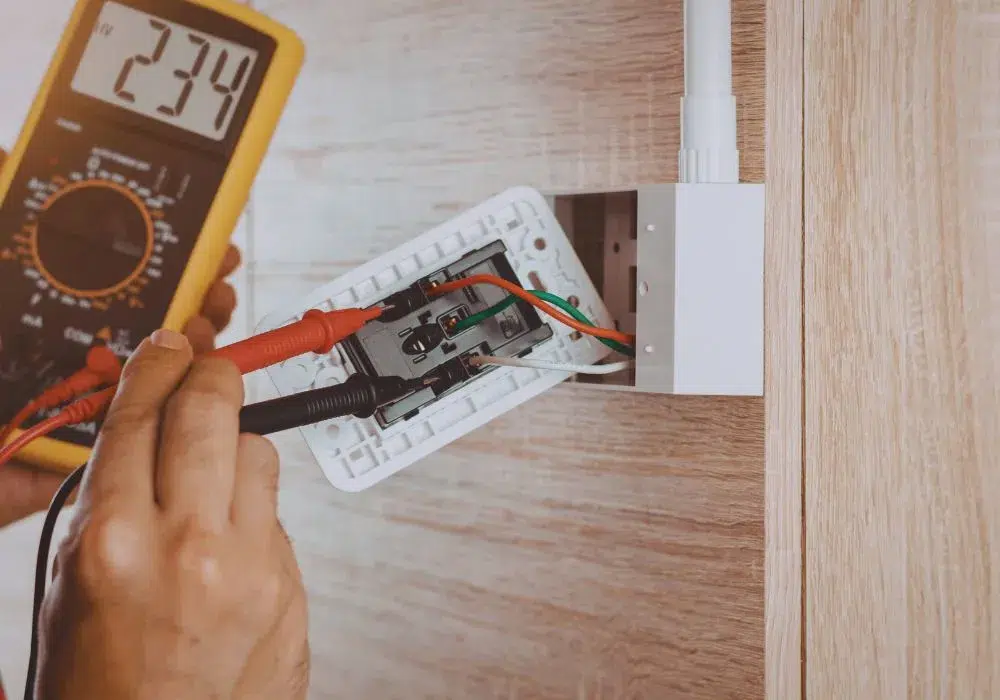
When Should You Call an Electrician Instead of Waiting?
Many homeowners wait until the power goes out completely before seeking help. Unfortunately, electrical systems rarely fix themselves. Delaying repairs can increase safety risks and lead to more extensive and expensive damage.
You should schedule professional service if you experience:
- Breakers that trip more than once
- Lights that dim when appliances start
- Hot or discolored outlets
- Frequent electrical surges
- Buzzing sounds from the breaker panel
- Power loss affecting multiple rooms
- Appliances that suddenly stop working due to electrical issues
Addressing these warning signs early helps protect your home, your electronics, and your loved ones.
Frequently Asked Questions
What causes electrical circuits to fail?
Electrical circuits commonly fail due to overloaded breakers, aging wiring, loose connections, moisture damage, or faulty electrical components.
How do I know if I need circuit repair?
If you notice flickering lights, repeated breaker trips, warm outlets, or burning odors, it’s time to have your electrical system inspected by a professional.
Why is rewiring sometimes better than repeated repairs?
When wiring has deteriorated or no longer meets modern electrical demands, rewiring provides a safer, more reliable, and longer-lasting solution than frequent repairs.
How often should a home’s electrical system be inspected?
Most homes benefit from a professional electrical inspection every three to five years, while older homes or recently renovated properties may require more frequent evaluations.
When should I replace a circuit breaker?
A breaker should be replaced if it trips repeatedly, won’t reset properly, feels warm, emits a burning smell, or no longer protects the circuit effectively.
Protect Your Home Before a Minor Electrical Problem Becomes a Major Emergency
Electrical problems don’t disappear with time they become more serious, more expensive, and potentially more dangerous. Whether you’re dealing with frequent breaker trips, outdated wiring, or unexplained power interruptions, taking action today can prevent costly repairs and improve your home’s safety tomorrow.
If you’re looking for dependable circuit repair in Lynnwood or searching for trusted rewiring services near me, turn to the experienced professionals at In-House Electrical Services. Our team is Licensed & Properly Insured, committed to code-compliant workmanship, and dedicated to delivering long-term solutions not temporary fixes. With 0% interest financing available and Flexible Financing, protecting your home’s electrical system has never been more affordable.
Don’t wait for a complete electrical failure to disrupt your life. Call In-House Electrical Services today at +14257603203 to schedule your professional inspection and keep your home’s electrical system safe, reliable, and ready for the future.