
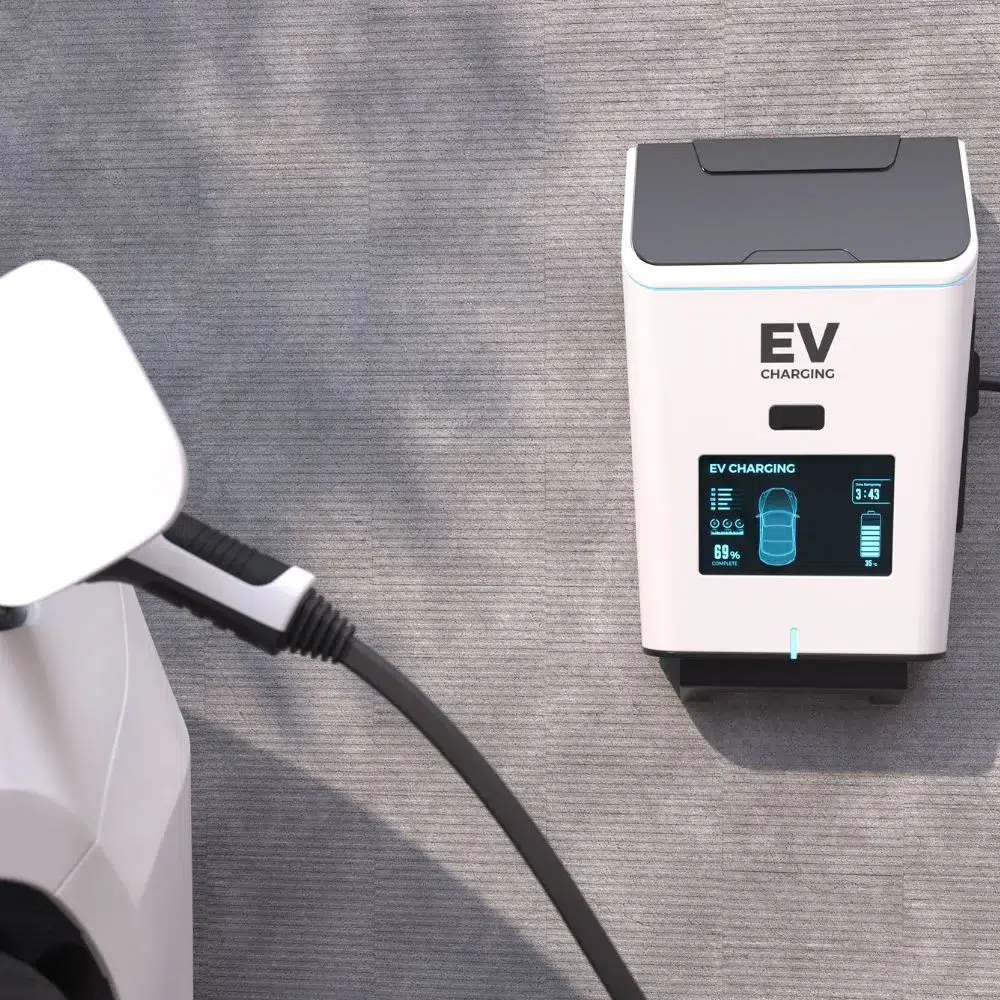
Bringing home a new electric vehicle is an exciting milestone. After researching models, comparing features, and finally making a purchase, most homeowners look forward to the convenience of charging at home. However, many discover that installing a Level 2 charger involves far more than mounting equipment on a wall.
In Marysville, some homeowners try to save money by choosing the lowest installation quote or assuming their existing electrical system is ready for an EV charger. The installation may appear successful at first, but problems often surface weeks or months later. Breakers begin tripping during overnight charging, charging speeds become inconsistent, or an inspection uncovers electrical code violations. In many cases, the homeowner must pay another electrician to correct unsafe wiring, upgrade the electrical panel, or reinstall the charger properly.
These situations are more common than many people realize, especially as electric vehicle ownership continues to grow throughout Snohomish County. The good news is that they’re almost always preventable with proper planning and a professional installation.
If you’re considering residential EV charger installation in Marysville, understanding what goes into a safe installation can help you avoid unexpected expenses while protecting your home, your vehicle, and your investment.
Why Do Some Homeowners End Up Paying Twice?
When comparing installation estimates, it’s natural to focus on price. However, an EV charger is one of the highest continuous electrical loads most homes will ever add. Unlike many household appliances that run only occasionally, an EV charger can draw significant power for several hours at a time, often while other major appliances are also operating.
A lower quote may leave out important steps that aren’t immediately visible but are essential for long-term safety and reliability. We’ve seen situations where chargers were connected to undersized wiring, installed without a proper load calculation, or added to electrical systems that simply didn’t have enough available capacity. While the charger may initially work, these shortcuts often lead to nuisance breaker trips, overheating, failed inspections, or costly repairs.
Some of the most common reasons homeowners end up paying twice include:
- Skipping a complete electrical assessment before installation
- Using an existing circuit that wasn’t designed for EV charging
- Installing a charger that’s too large for the home’s available electrical capacity
- Ignoring permit or inspection requirements
- Hiring someone without experience installing residential EV charging equipment
Choosing the right installer isn’t just about getting the charger working today. It’s about making sure your electrical system can safely support it for years to come.
Why Improper Installation Can Cost More in the Long Run
One of the biggest misconceptions is that the lowest installation price always saves money. In reality, correcting an improperly installed charger is usually far more expensive than doing the job correctly from the beginning.
When electrical issues develop, homeowners may face expenses such as:
- Replacing overheated breakers
- Installing new wiring that meets code requirements
- Upgrading an overloaded electrical panel
- Paying additional permit and inspection fees
- Removing and reinstalling charging equipment
- Repairing damaged electrical components
Beyond the financial cost, these problems create unnecessary inconvenience. A charger that repeatedly shuts off overnight or fails to deliver a full charge can quickly become frustrating, especially for households that rely on their EV every day.
Investing in a properly planned installation from the start helps reduce the risk of future repairs while giving homeowners greater confidence that their charging system will perform reliably.
Can Your Electrical Panel Support an EV Charger?
One of the first questions a qualified electrician should answer is whether your existing electrical panel has enough capacity for an EV charger.
The answer depends on much more than the size of your panel. Every home’s electrical demand is different. Existing appliances, heating and cooling systems, electric water heaters, cooking equipment, and future expansion plans all affect how much additional capacity is available.
Many older homes in and around Marysville were built long before electric vehicles became common. Even if the panel appears to have an open breaker space, that doesn’t necessarily mean it can safely support another large continuous load.
Before recommending an installation, a professional electrician performs a load calculation to evaluate how much electricity your home already uses and whether additional capacity is available. This helps prevent overloaded circuits and ensures your electrical system remains safe during everyday use.
If the assessment shows your panel is approaching its limits, an electrical panel upgrade may be recommended. While some homeowners hesitate because of the additional investment, upgrading the panel often improves the overall safety of the home while preparing it for future electrical needs, such as another EV, a heat pump, or a backup generator.
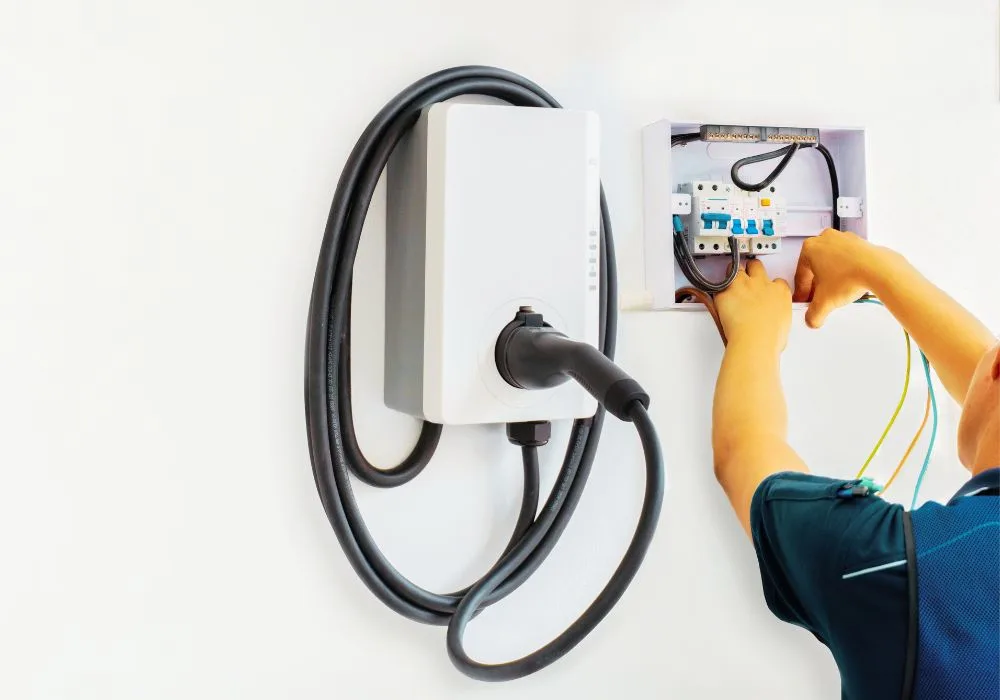
Why a Dedicated Circuit Is So Important
A dedicated circuit isn’t simply a recommendation and it’s one of the most important parts of a safe EV charger installation.
Unlike appliances that cycle on and off, an EV charger may draw a high amount of electricity continuously for several hours. That’s why these systems require wiring, breakers, and electrical components specifically sized for that sustained demand.
Sharing an EV charger with another circuit can create several problems, including:
- Frequent breaker trips
- Voltage fluctuations
- Overheated wiring
- Reduced charging performance
- Increased wear on electrical components
- Greater risk of electrical fires
A properly installed dedicated circuit allows the charger to operate independently without affecting other parts of your home’s electrical system. It also helps ensure the installation meets current electrical safety standards and manufacturer requirements.
Just as importantly, it provides peace of mind. Instead of wondering whether your electrical system can handle another overnight charging session, you can plug in your vehicle knowing your home has been prepared to support it safely.
Why Does the Breaker Keep Tripping While Charging an EV?
If your breaker trips every time you plug in your EV, don’t assume the charger is defective. In many cases, the problem lies within the home’s electrical system rather than the charging equipment itself.
Some of the most common causes include:
- An undersized breaker
- Wiring that isn’t rated for the charger’s electrical demand
- An overloaded electrical panel
- A shared circuit with other high-power appliances
- Loose electrical connections
- A worn or faulty breaker
We’ve found that repeated breaker trips should never be ignored. While resetting the breaker may seem like a quick fix, it’s often a sign that something isn’t operating safely. Continuing to charge without identifying the root cause can place unnecessary stress on your electrical system and, in some cases, damage both the charger and your vehicle’s charging equipment.
A licensed residential electrician can inspect the system, perform the necessary testing, and recommend the safest solution before a minor issue becomes a more expensive repair.
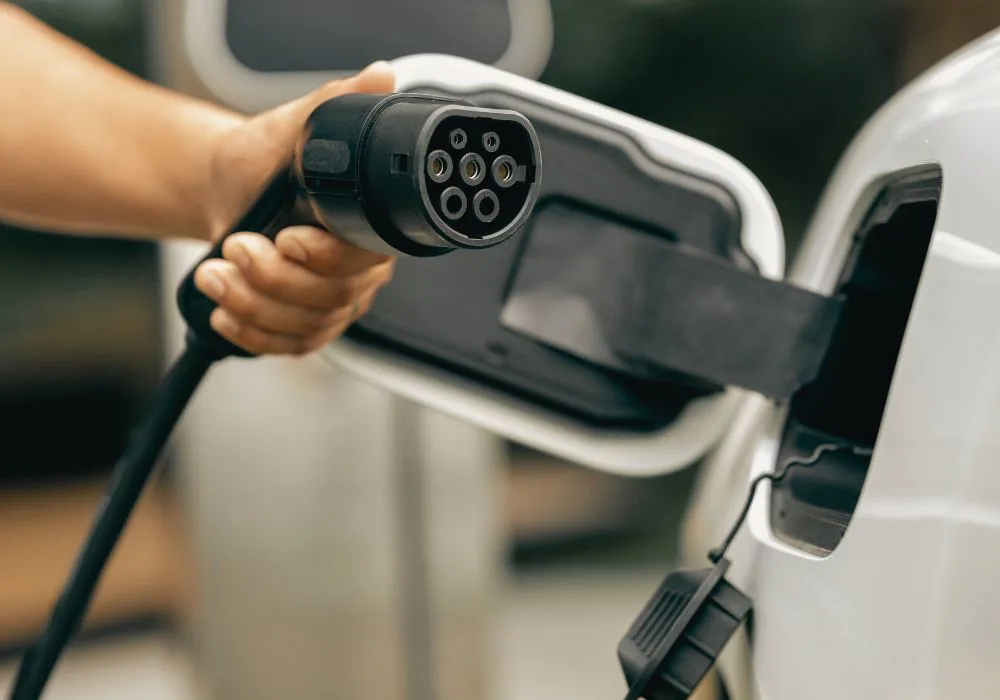
What Should a Professional EV Charger Installation Include?
A quality installation involves much more than mounting a charger on the garage wall. Every home has different electrical demands, and the installation should be tailored to your home’s capacity, your vehicle, and your long-term charging needs.
A professional installation typically includes:
A Complete Electrical Assessment
Before any work begins, the electrician evaluates your home’s electrical system, including the service panel, existing loads, available breaker space, and wiring condition. This assessment helps determine whether your current system can safely support a Level 2 charger or whether upgrades are recommended.
Proper Load Calculation
A load calculation measures how much electricity your home already uses and how much additional capacity is available. This step helps prevent overloaded panels and ensures the charger operates safely alongside other major appliances.
Charger Selection
Not every homeowner needs the highest-powered charger available. The right charger depends on factors such as your daily driving habits, vehicle requirements, parking location, and future plans. Choosing equipment that matches your lifestyle can improve efficiency while avoiding unnecessary electrical upgrades.
Permit and Code Compliance
Professional installers obtain the required permits when applicable and complete the installation according to current electrical codes. Proper permitting protects homeowners by ensuring the work is independently inspected and meets established safety standards.
Safe Installation and Testing
After installation, the system should be tested under normal operating conditions to verify correct voltage, breaker performance, grounding, and charging operation. This final testing helps identify potential issues before the charger is placed into everyday use.
A thorough installation may take more planning than a low-cost alternative, but it significantly reduces the likelihood of future repairs, inspection problems, and unexpected downtime.
Why Hiring a Local EV Charger Electrician in Marysville Matters
Every community has its own permitting processes, housing styles, and electrical challenges. Working with an electrician who regularly installs residential EV chargers in Marysville offers advantages that go beyond technical knowledge.
Local professionals are familiar with:
- Residential electrical systems commonly found in Marysville homes
- Local permitting and inspection requirements
- Washington State electrical safety standards
- Weather conditions that may affect outdoor charger installations
- Utility considerations that could influence future electrical upgrades
That local experience helps projects move more smoothly while reducing the risk of delays, unexpected corrections, or failed inspections.
Perhaps even more importantly, a local electrician understands that every home is different. Instead of offering the same installation approach for every property, they can recommend solutions based on your home’s electrical system, your family’s driving habits, and any future plans for additional electric vehicles or home upgrades.
Protect Your Investment by Getting the Installation Right the First Time
Installing a home EV charger should make daily life easier not create ongoing electrical problems or unexpected repair bills.
Choosing an experienced residential electrician, verifying your home’s electrical capacity, and following the proper installation process can help ensure your charging system operates safely and reliably for many years. While it may be tempting to focus only on the lowest estimate, the true value of an installation lies in its long-term safety, performance, and durability.
If you’re planning a residential EV charger installation in Marysville, taking the time to evaluate your electrical system before installation can help you avoid costly surprises later. A professional assessment ensures your charger is matched to your home’s capacity, installed according to current safety standards, and ready to support your transportation needs both now and in the future.
Ready to install your EV charger with confidence? Contact In-House Electrical Services today at +14257603203 to schedule a professional assessment. Our experienced electricians provide safe, code-compliant EV charger installations in Marysville, helping you protect your investment and enjoy reliable home charging for years to come.
Frequently Asked Questions
1. How much does EV charger installation cost?
Costs vary depending on your electrical panel, wiring distance, charger type, and whether upgrades are needed. A home assessment provides the most accurate estimate.
2. Can my existing electrical panel support a Level 2 EV charger?
Maybe. A licensed electrician should perform a load calculation to determine if your panel has enough capacity or if an upgrade is recommended.
3. Why does my EV charger keep tripping the breaker?
Common causes include an overloaded panel, undersized wiring, a shared circuit, a faulty breaker, or an improper installation. An inspection can identify the exact issue.
4. Why does an EV charger need a dedicated circuit?
A dedicated circuit safely handles the charger’s continuous electrical load, reducing the risk of breaker trips, overheating, and electrical hazards.
5. How long does a residential EV charger installation take?
Most standard installations are completed in one day. Projects requiring panel upgrades or additional wiring may take longer.