
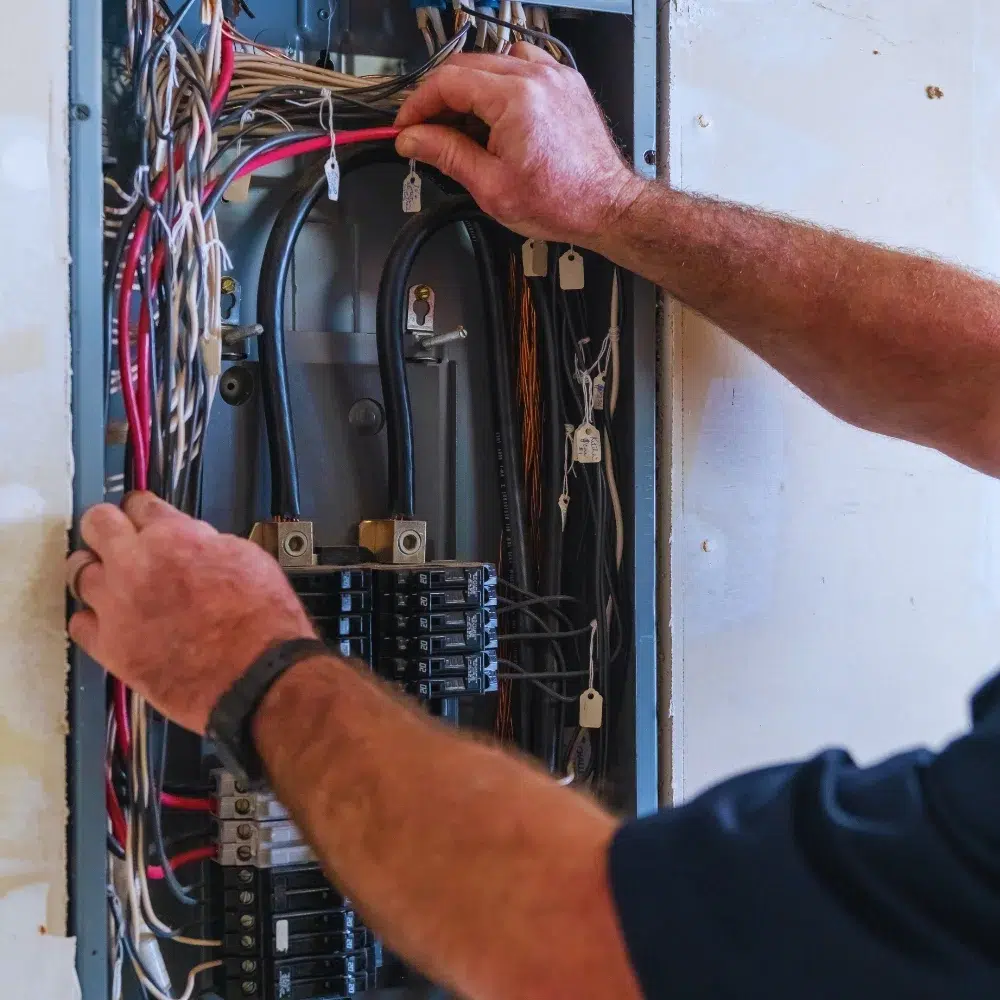
An electrical circuit can operate normally for hours and still have a developing problem. A Lynnwood homeowner may spend an evening running the television, lights, computer, or space heater without noticing anything unusual. Then the room suddenly goes dark. At the electrical panel, one breaker has tripped. It resets immediately, and everything starts working again.
Since the power returns so easily, the problem may seem resolved. However, the delay before the trip can point to sustained electrical load, gradual heat buildup, a weakening breaker, or a loose connection. When this pattern starts repeating, seeking circuit repair near Lynnwood can help identify what is causing the delayed shutdown.
The important question is not simply why the breaker tripped, but why it needed several hours to do so.
Why Can a Circuit in a Lynnwood Home Work for Hours Before Cutting Out?
A circuit breaker does not only respond to dramatic electrical faults. It also protects branch circuit wiring when current remains above safe operating conditions.
This distinction can explain delayed interruptions.
A severe short circuit can cause an almost immediate trip. A moderate overload, however, may produce heat gradually. The circuit may appear normal until sustained current causes the breaker’s thermal trip mechanism to respond.
Consider a circuit serving several devices. Each device may operate normally by itself, but the combined electrical load can become problematic when they run together for an extended period.
The timing therefore matters during electrical troubleshooting. An electrician in Lynnwood may ask what was operating, how long it had been running, whether the breaker felt unusually warm, and whether the problem follows a predictable pattern.
What Does an Immediate Reset Actually Tell You?
A breaker that resets immediately can create false reassurance.
Resetting restores the mechanical connection, but it does not identify or correct the condition that caused the interruption. The underlying issue may return once the circuit experiences the same sustained load.
For example, the circuit could have:
- A load that remains slightly too high for the branch circuit.
- A loose terminal connection that produces localized resistance and heat.
- An aging or deteriorating circuit breaker.
- Wiring or a connection affected by repeated heating cycles.
- Equipment that draws more current after operating for an extended period.
The reset itself provides only limited diagnostic information. The pattern surrounding the trip provides much more.
Could Sustained Electrical Load Cause a Delayed Breaker Trip?
Yes. Sustained load deserves particular attention when a breaker trips only after prolonged use.
Electrical conductors and breakers have specific current ratings. When the connected equipment places excessive demand on a circuit, heat can accumulate instead of producing an instantaneous failure.
This situation can appear in garages, home offices, workshops, kitchens, bedrooms, and other areas where homeowners add equipment over time.
Lynnwood homes also vary considerably in age and electrical configuration. An older home near Meadowdale may have different branch circuit arrangements from a newer property around Martha Lake or the Alderwood area. Renovations and added appliances can also change electrical demand without changing the original circuit capacity.
Professional circuit repair near Lynnwood should therefore consider actual electrical load rather than assuming every recurring trip means the breaker itself has failed.
Can a Loose Electrical Connection Create the Same Symptom?
A loose connection can produce an intermittent electrical problem that becomes more noticeable after extended use.
Electric current encounters resistance at a poor connection. That resistance can create localized heating. As components warm and expand, an already compromised connection may behave differently than it did when everything was cool.
Possible locations include:
- Breaker terminals
- Receptacle connections
- Junction boxes
- Switch connections
- Neutral connections
- Other accessible points along the affected branch circuit
Homeowners should not remove an electrical panel cover or dismantle energized electrical components to search for these problems. A licensed electrician can perform appropriate testing and inspect accessible connections safely.
Could the Circuit Breaker Itself Be Failing?
Possibly, but the timing of the trip matters.
A breaker that consistently trips after two or three hours of similar electrical use presents a different diagnostic pattern from one that trips the moment a device turns on. An electrician may compare the actual current on the circuit with the breaker’s response to determine whether the breaker is reacting to excessive load or tripping under conditions that should normally remain within its operating range.
The history of the breaker also matters. Years of thermal cycling, previous overloads, or deterioration at the breaker or its termination can affect performance. However, replacing the breaker simply because it trips can miss the actual cause.
An experienced electrician in Lynnwood can evaluate the breaker rating, conductor size, connected load, termination condition, and measured current together. If the electrical demand remains appropriate but the breaker repeatedly trips abnormally after prolonged use, the breaker itself may require further evaluation or replacement.
If excessive current, a loose connection, or another circuit condition causes the trip, installing a new breaker alone will not correct that problem.
How Does an Electrician Diagnose a Circuit That Fails Only After Several Hours?
Time-dependent problems require more than a quick visual inspection.
The electrician needs to understand the conditions present when the failure occurs. Professional circuit diagnosis may involve several steps.
1. Reconstructing the Electrical Load
The electrician identifies the lights, appliances, receptacles, and equipment connected to the affected circuit. Knowing what operates before the trip can reveal a load-related pattern.
2. Checking Current Draw
A clamp meter can help measure amperage under appropriate operating conditions. Comparing current draw with circuit capacity helps determine whether sustained demand may contribute to the interruption.
3. Inspecting the Breaker and Panel
The electrician can evaluate the circuit breaker, termination, conductor size, panel condition, and visible evidence of overheating or deterioration.
4. Evaluating Accessible Connections
Loose or damaged connections at outlets, switches, junction points, or other accessible locations may require further investigation.
5. Testing Under Relevant Conditions
An intermittent electrical fault may not appear during a brief appointment unless the electrician understands the homeowner’s usage pattern. Details such as “it happens after three hours when these two devices are running” can make diagnosis far more focused.
This systematic approach helps distinguish an overloaded electrical circuit from a faulty breaker, loose electrical connection, equipment problem, or wiring defect.

What Should You Note Before Scheduling Circuit Repair Near Lynnwood?
A circuit problem that appears only after several hours may not occur while an electrician is initially inspecting the system. A clear description of what happens before each trip can therefore make troubleshooting more focused.
Before scheduling circuit repair near Lynnwood, note the pattern without intentionally recreating the problem. Useful details include:
- How long the circuit had been operating before the breaker tripped
- Which lights, appliances, computers, heaters, tools, or other equipment were running
- Whether one particular device had been operating for most of that time
- Whether the trip occurs only when two or more specific devices run together
- Whether removing one high-demand device from normal use changes the pattern
- Whether the second trip occurs sooner after resetting the breaker
- Whether the same breaker controls every outlet or fixture that loses power
- Whether you recently added equipment or changed how you use the room
- Whether flickering, dimming, buzzing, unusual odors, or other changes occurred before the interruption
These observations do not diagnose the circuit, but they can help an electrician reconstruct the electrical conditions present when the problem develops.
For example, “the breaker trips sometimes” provides limited information. “It trips after about three hours when the computer equipment and space heater are operating together” gives the electrician a much clearer starting point.
Do not repeatedly reset the breaker simply to gather more information. If you notice burning odors, smoke, visible damage, discoloration, buzzing, or unusual heat around accessible electrical components, discontinue use when you can safely do so and arrange professional evaluation promptly.
Why Might the Breaker Trip Sooner After You Reset It?
The time between trips can provide another useful clue.
Suppose a circuit operates for three hours before the breaker trips. You reset it, turn the same equipment back on, and the breaker trips again 30 or 45 minutes later. That change in timing is worth reporting to the electrician.
Components may still retain heat from the earlier period of operation. If the same electrical load resumes soon after the reset, the circuit does not necessarily begin under the same thermal conditions as it did several hours earlier.
However, a faster second trip does not prove that heat or an overload is the sole cause. Loose connections, equipment behavior, breaker condition, and other electrical problems can create similar patterns.
Rather than repeatedly resetting the breaker to test how long it lasts, note the approximate operating time before each interruption. A pattern such as “three hours before the first trip and 40 minutes before the second” gives an electrician more useful diagnostic information than simply reporting that the breaker “keeps tripping.”
When Does a Delayed Breaker Trip Need Professional Diagnosis?
A single breaker trip may follow an identifiable temporary overload. A repeating time-based pattern is different.
Consider professional diagnosis when the same circuit works normally at first but repeatedly shuts down after extended use, especially when you notice a consistent relationship between the trip and certain equipment.
Pay particular attention if:
- The breaker trips after a similar amount of operating time on multiple occasions.
- The breaker begins tripping sooner than it did previously.
- The second trip occurs much faster after the breaker has been reset.
- Reducing normal electrical demand does not stop the problem.
- The pattern began after adding a heater, appliance, computer setup, tool, or other electrical load.
- Power interruptions occur alongside flickering, dimming, buzzing, unusual odors, discoloration, or excessive heat around accessible components.
- The circuit trips even though its normal connected equipment has not recently changed.
These patterns help distinguish an isolated interruption from a recurring electrical condition that warrants investigation.
The goal of professional diagnosis is not simply to get the breaker to stay on. It is to determine why the circuit can operate normally for a period of time and then reach the conditions that cause it to shut off.
FAQs About Delayed Circuit Breaker
Can a breaker trip from heat even when nothing appears wrong?
Yes. A sustained overload or certain connection problems can involve gradual heating, so the circuit may operate for some time before the breaker trips. An electrician should identify the actual cause rather than relying on the timing alone.
Why does my breaker trip faster the second time?
Residual heat may influence how quickly a thermally responsive breaker trips again. However, repeated trips require diagnosis because several circuit conditions can produce similar behavior.
Can one appliance cause a circuit to fail only after hours of use?
Potentially. Some equipment changes operating conditions during extended use. An electrician can compare appliance demand with the circuit’s capacity and determine whether the equipment, circuit, or another condition requires attention.
Why does the breaker work normally when the electrician arrives?
Some circuit problems depend on operating time, connected load, temperature, or a particular combination of equipment. If the circuit has cooled or certain devices are no longer running, the condition that caused the earlier trip may not be present during a brief inspection.
Will circuit repair always require replacing the breaker?
No. Breaker replacement is only one possible repair. Proper electrical fault diagnosis may identify an overload, loose termination, damaged conductor, equipment issue, or another problem that requires a different solution.
Do Not Wait for a Delayed Electrical Problem to Become a Persistent One
A circuit that shuts down after several hours is giving you information. If the same breaker keeps tripping, resets immediately, and later repeats the cycle, avoid treating the reset as the repair.
For homeowners seeking circuit repair near Lynnwood, In-House Electrical Services, we can diagnose the affected circuit, evaluate the breaker and electrical load, and identify the condition behind recurring interruptions. Acting before the pattern becomes more frequent can help prevent an unresolved electrical issue from progressing.
Call In-House Electrical Services at +1 4257603203 to schedule circuit diagnosis and repair in the Lynnwood area.