
Lynnwood homeowners are dealing with a very different power-backup concern this season than they will during the region’s wetter, stormier months. Warm, dry summer weather can increase reliance on refrigeration, internet-connected equipment, security systems, and other electrical essentials. Heat and air-quality concerns also highlight how quickly an electrical interruption can affect indoor comfort and daily routines in the Puget Sound area.
That makes late summer a practical time to evaluate your backup-power options rather than waiting for the first major fall or winter storm. But choosing a generator is not simply about buying the largest unit available. Your home’s electrical load, fuel access, outage priorities, and the systems you need to keep running all influence the right choice. Before arranging generator installation near Lynnwood, compare these seven generator types based on the backup-power needs they are designed to address.
1. Standby Generators for Automatic Backup Power
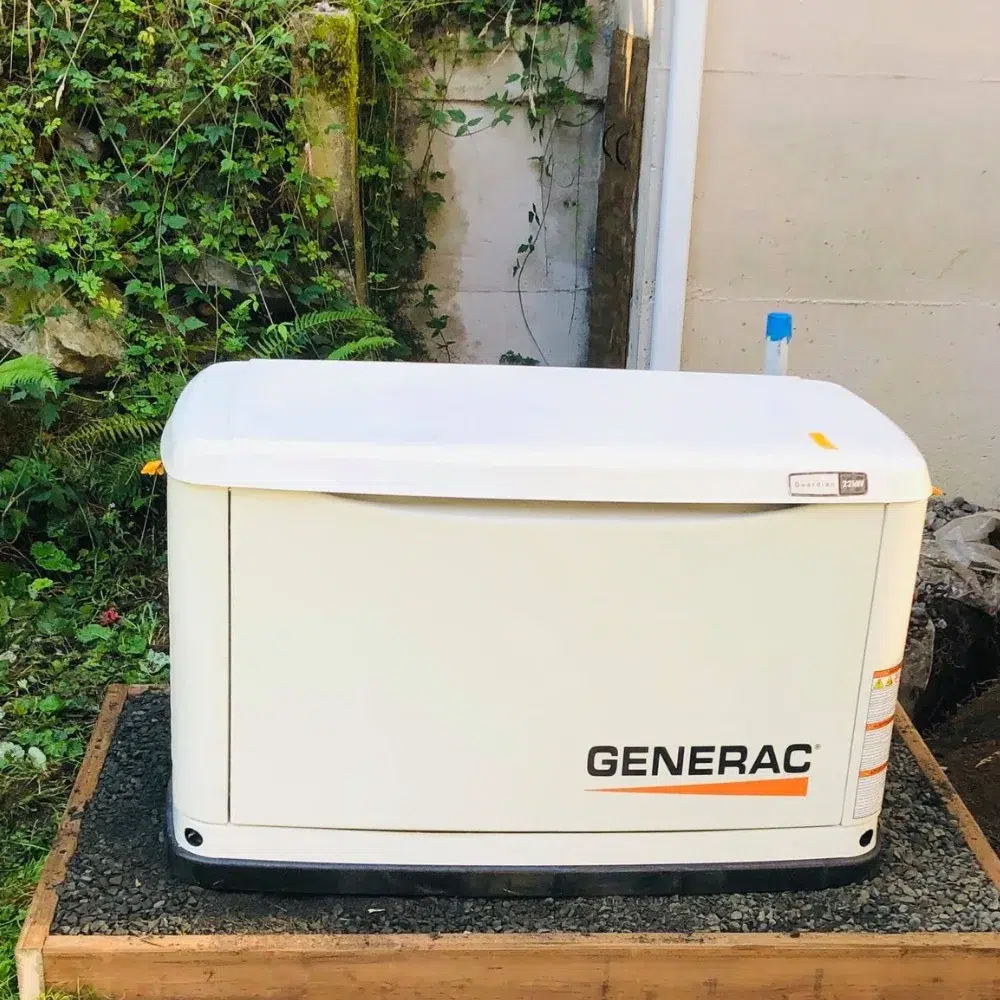
A standby generator offers a practical solution for homeowners who want backup power to start automatically when utility service fails.
Electricians permanently install these systems and connect them to the home’s electrical system through an automatic transfer switch. When the utility supply goes down, the system detects the outage, starts the generator, and transfers the designated electrical loads to generator power.
Depending on generator capacity, electrical demand, and system design, a standby generator may support selected essential circuits or a much larger portion of the home.
Homeowners may prioritize equipment such as:
- Refrigerators and freezers
- Heat pumps or other heating equipment
- Essential lighting
- Internet and communication equipment
- Security systems
- Medical equipment
- Sump or drainage pumps
- Selected kitchen appliances
Standby systems particularly benefit households that do not want to manually set up and start a portable generator during an outage.
However, “standby” does not automatically mean “whole-home.” An electrician must calculate the home’s electrical demand and determine which loads the generator can safely support.
2. Portable Generators for Selected Essential Circuits
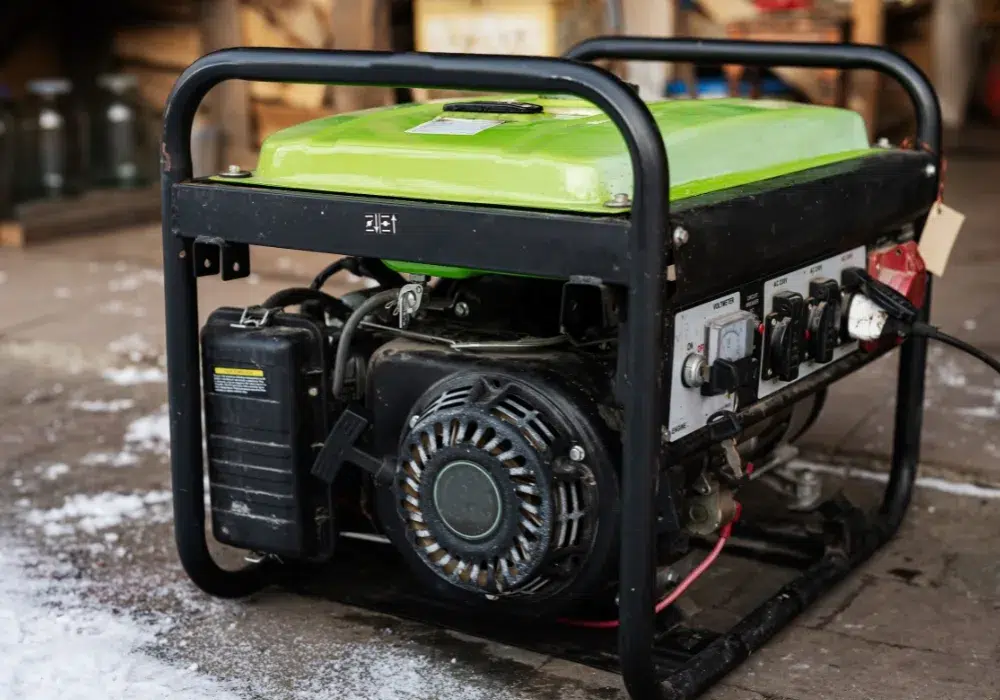
A portable generator may make sense when you want occasional backup for a limited number of important loads rather than automatic backup for most of the house.
These units can provide power during shorter interruptions and can remain stored when you do not need them. Their portability and range of available capacities make them useful for homeowners who want a less permanent backup option.
The electrical connection requires careful planning.
Never connect a portable generator directly to household wiring through an unsafe connection method. Properly installed transfer equipment, such as a manual transfer switch or an approved interlock configuration where applicable, helps prevent backfeeding electricity into utility lines.
Backfeed can create a serious electrical hazard for utility workers and others.
Portable generators also create a carbon monoxide risk. Never operate a fuel-burning generator inside a home, garage, basement, or other enclosed or partially enclosed area. Generator placement must follow the manufacturer’s instructions and applicable safety requirements.
A qualified electrician can evaluate the circuits you want to back up and determine an appropriate electrical connection.
3. Inverter Generators for Smaller Loads and Sensitive Electronics
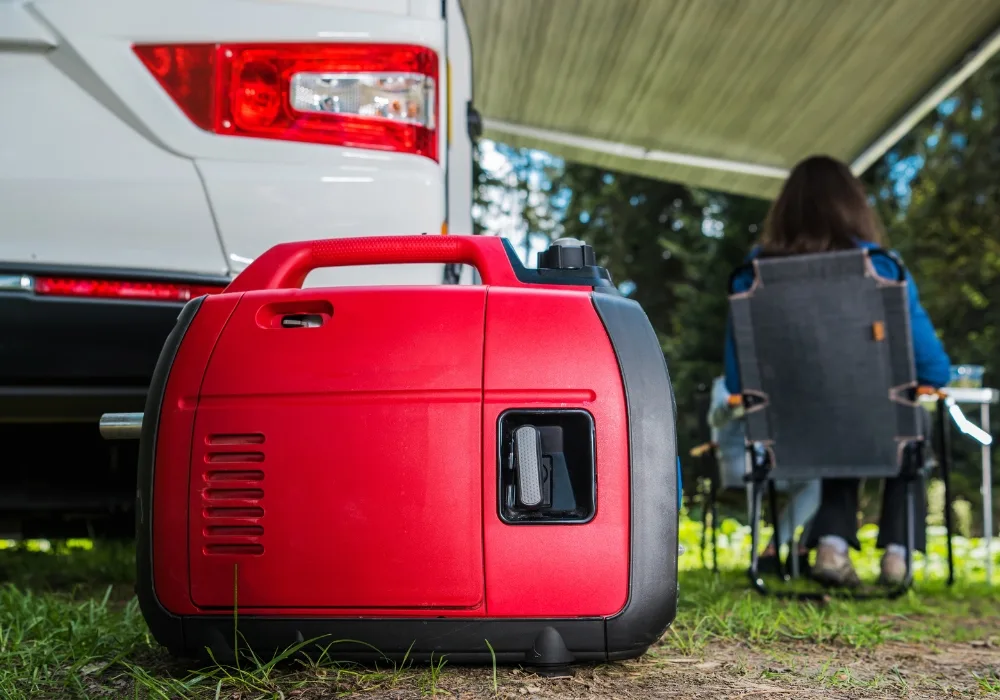
An inverter generator offers another portable backup option, but its operating characteristics differ from those of many conventional portable generators.
Inverter generators electronically regulate their electrical output, which can make them well suited for sensitive electronic equipment and smaller household loads. Many models also operate more quietly than conventional portable generators under comparable conditions.
They may provide useful backup for:
- Computers
- Internet equipment
- Phones and charging devices
- Televisions
- Selected lighting
- Small appliances
- Other lower-demand electronics
However, an inverter generator may not provide enough capacity to run several large household loads at the same time.
A heat pump, electric water heater, electric range, or other high-demand equipment can substantially increase the required generator capacity. The actual electrical load should guide your choice rather than portability or noise level alone.
4. Dual-Fuel Generators When Fuel Flexibility Matters
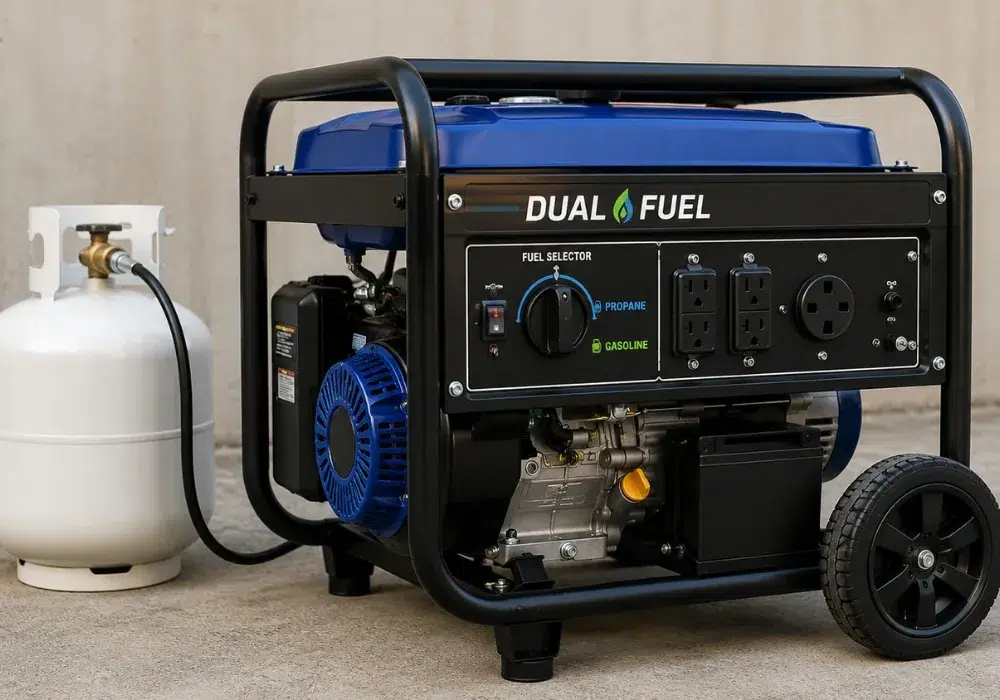
“Dual-fuel” describes a generator’s ability to operate on more than one fuel rather than a completely separate installation category.
Many dual-fuel generators operate on gasoline or propane. That flexibility can help homeowners adapt when one fuel becomes difficult to obtain or inconvenient to use during an extended outage.
For example, a homeowner may normally operate a portable generator on gasoline but want propane available as an alternative.
Before choosing a dual-fuel generator, compare:
- Generator output on each fuel
- Fuel storage requirements
- Expected operating time
- Manufacturer maintenance requirements
- Electrical connection requirements
- The loads you plan to support
Some generators produce different levels of power depending on the fuel used, so homeowners should not assume that rated output remains identical under every operating condition.
A dual-fuel configuration can offer flexibility, but the generator still needs enough capacity for the circuits you intend to power.
5. Natural-Gas Generators for Utility-Supplied Fuel
Natural gas commonly serves as the fuel source for permanently installed standby generators.
That distinction matters when comparing your options. You do not necessarily choose between a “standby generator” and a “natural-gas generator.” You may instead choose a natural-gas-powered standby generator.
For homes with suitable natural-gas service, this configuration can reduce the need to store and manually refill portable fuel containers.
The system still requires careful planning. Generator capacity, gas supply, equipment location, electrical connections, transfer equipment, manufacturer specifications, and applicable codes all influence the final installation.
Natural gas can be attractive for homeowners who prioritize automatic backup and want to avoid managing gasoline during an outage. However, fuel choice should remain only one part of the overall generator decision.
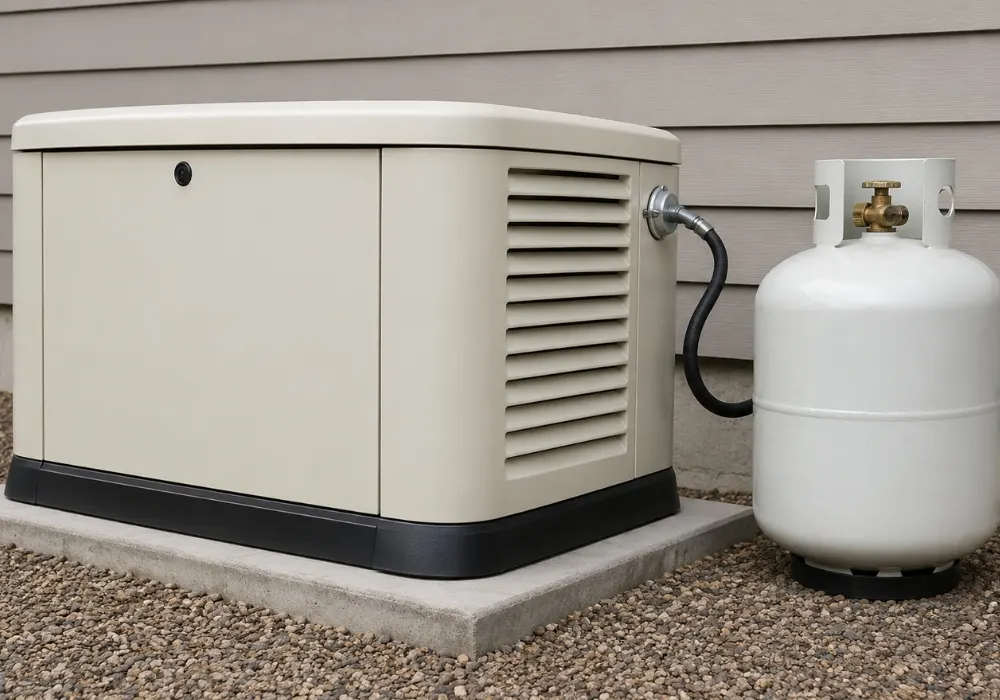
6. Propane Generators for Stored On-Site Fuel
Propane provides another common fuel option for residential generators and can power both portable equipment and certain standby systems.
For a standby application, an appropriately sized propane tank provides an on-site fuel supply. That can make propane worth considering when natural gas service does not suit the property or homeowner’s backup-power plan.
Tank capacity matters because the available fuel supply determines how long the generator can operate before refueling becomes necessary.
When evaluating propane backup, consider:
- Generator fuel consumption
- Propane tank capacity
- Expected electrical load
- Expected generator runtime
- Tank and generator placement
- Refueling considerations
The right tank and generator combination depends on how much power you expect to use and how long you want the system to operate.
When comparing propane with natural gas, evaluate the complete backup-power system rather than fuel price or generator size alone.
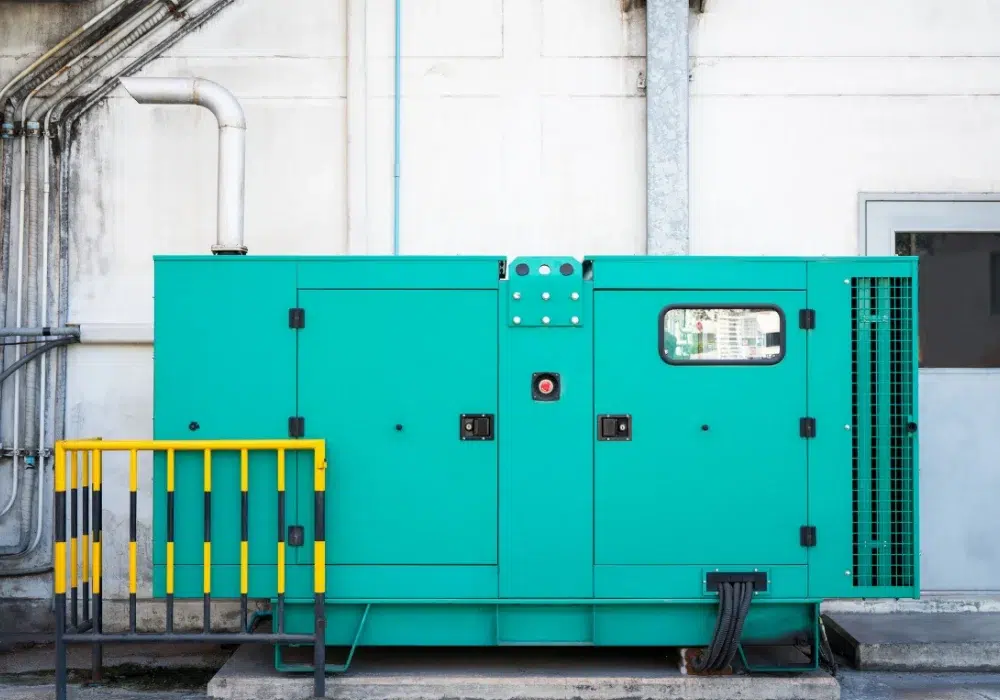
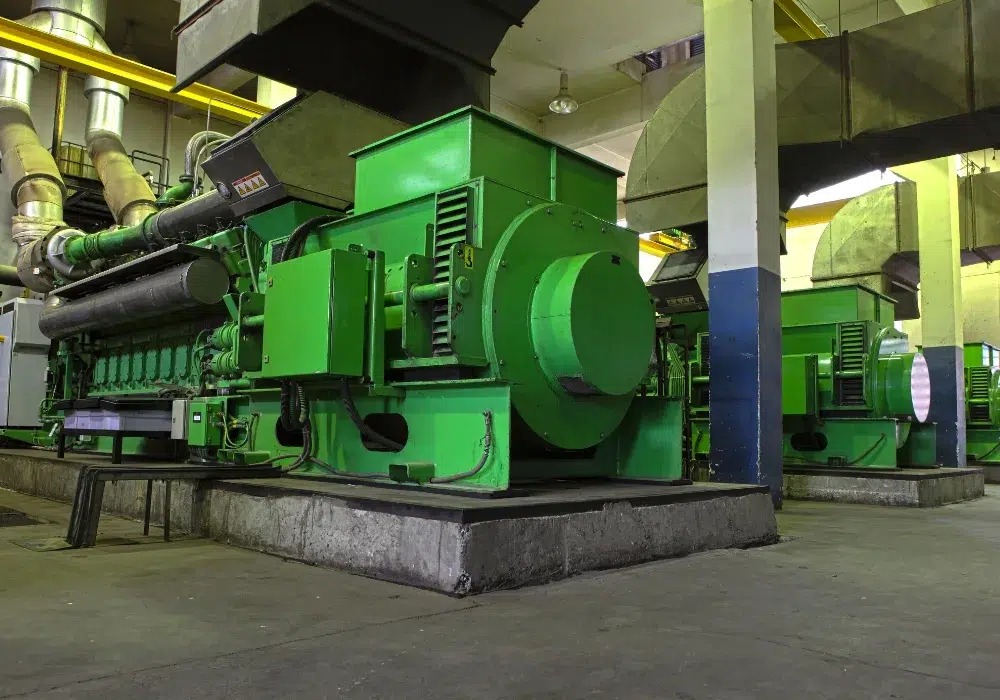
7. Diesel Generators for Specialized or High-Demand Backup
Diesel generators have a long history of use where durability, substantial output, and extended operation matter.
They commonly appear in commercial, industrial, and larger backup-power applications. Some residential properties can also use diesel systems, although the average Lynnwood home may not require this type of equipment.
A diesel generator may deserve consideration when a property has unusually high electrical demand, specialized equipment, or backup requirements that make other configurations less suitable.
Fuel storage, equipment size, noise, placement, maintenance, electrical demand, and local installation requirements all deserve consideration.
Rather than assuming that a larger diesel generator provides better residential backup, start with the loads that actually need power. Oversizing can add cost and complexity without providing meaningful benefits for the household.
How Do You Choose the Right Generator for Your Home?
The most useful question is not, “What is the biggest generator I can buy?”
Ask instead:
“What needs to keep working when utility power goes out?”
That question helps narrow the choices quickly.
Do You Need Automatic Backup?
If you want the generator to start without manual setup, a permanently installed standby system may offer the most appropriate starting point.
This can matter when outages happen overnight, when nobody is home, or when your household depends on equipment that should not remain without power for long.
Do You Only Need Several Essential Circuits?
If your priority is keeping a refrigerator, selected lights, internet equipment, and a few other essentials operating during occasional outages, a properly configured portable generator may provide enough capacity.
The generator still requires a safe electrical connection and proper outdoor placement.
Are Electronics Your Main Priority?
An inverter generator may suit smaller backup loads when computers, communications equipment, charging devices, and other sensitive electronics represent your primary concerns.
Do You Want More Than One Fuel Option?
A dual-fuel generator can provide additional flexibility if you want the ability to switch between compatible fuels.
Do You Need Extended Automatic Operation?
A standby generator supplied by natural gas or an appropriately planned propane system may better fit homeowners who prioritize automatic operation during longer interruptions.
The final decision should account for the home’s electrical system, fuel availability, property conditions, and actual backup priorities.
What Should a Generator Load Assessment Include?
Generator sizing involves more than adding the wattage printed on a few appliance labels.
Some electrical equipment draws significantly more power when it starts than it requires during normal operation. Motors, compressors, pumps, and heating or cooling equipment can create substantial starting loads.
An qualified electrician should consider both running load and startup demand when determining generator capacity.
Your priority list might include refrigeration, heating, lighting, internet equipment, security systems, medical equipment, pumps, and selected receptacle circuits.
High-demand equipment deserves additional consideration. For example, EV charging can place a substantial load on a backup system. During an outage, a homeowner may choose to prioritize heating, refrigeration, lighting, and other essential loads instead. Supporting EV charging may require additional generator capacity or appropriate load-management planning.
A professional load assessment helps separate the circuits you must operate from the loads you would simply like to operate.
What Should Homeowners Consider Before Generator Installation?
Backup-power planning should account for the home as well as the generator.
Lynnwood and the surrounding Puget Sound region experience changing weather conditions throughout the year, including periods of wind, heavy rain, cold temperatures, and other conditions that can affect electrical service. Homes also differ considerably in electrical demand.
A household that relies heavily on a heat pump may have different backup requirements from a home where the primary priorities are refrigeration, internet access, lighting, and security.
Older electrical panels may also require additional evaluation before adding generator transfer equipment. Likewise, a household with an EV charger, electric water heater, electric cooking appliances, or several other large electrical loads may require more careful capacity planning.
Homeowners should also consider generator placement, fuel availability, noise, maintenance access, and safe clearance requirements before selecting equipment.
Do You Need a Permit for Generator Installation?
Generator installations can involve electrical permitting and other requirements based on the equipment, fuel source, project scope, and property.
Because permitting and code requirements can change, homeowners should avoid relying on generalized information when planning an installation. A licensed contractor should verify the current requirements that apply to the specific property and generator system before work begins.
Professional permitting also helps ensure that the transfer equipment, wiring, electrical connections, and other applicable components receive the required review.
Why Does Professional Generator Installation Matter?
A home generator is part of an electrical system, not simply a piece of equipment that sits outside the house.
Proper generator installation near Lynnwood begins with understanding the household’s actual backup needs. An electrician can evaluate electrical demand, determine which circuits should receive backup power, review the existing panel, identify appropriate transfer equipment, and help determine suitable generator capacity.
Professional installation may include:
- Reviewing essential and optional electrical loads
- Calculating running and startup demand
- Evaluating the existing electrical panel
- Determining appropriate generator capacity
- Selecting compatible transfer equipment
- Verifying applicable permitting requirements
- Completing the electrical installation
- Testing generator and transfer operation
- Explaining basic system operation to the homeowner
This process helps homeowners avoid choosing a generator simply because its advertised wattage sounds impressive.
The goal should be a backup-power system that matches the home’s actual electrical needs and operates safely when utility power becomes unavailable.
Frequently Asked Questions
1. What Generator Is Best for a Lynnwood Home?
The best option depends on the circuits you need to operate, whether you want automatic backup, available fuel sources, and expected electrical demand. Standby generators suit homeowners who prioritize automatic operation, while portable and inverter generators can support more limited backup needs.
2. How Large Should My Home Generator Be?
Home size alone cannot determine generator capacity. Proper sizing should account for the running and startup loads of the appliances, equipment, and circuits you want to operate during an outage.
3. Can I Connect a Portable Generator Directly to My Electrical Panel?
A portable generator requires appropriate transfer equipment when supplying household circuits. Properly installed equipment helps isolate generator power from utility power and prevents dangerous backfeed.
4. Can a Generator Run My Heat Pump During a Power Outage?
Some generators can support heat pumps, but the required capacity depends on the equipment’s running and startup demands and the other loads operating at the same time. An electrical load assessment can determine whether the proposed generator can support the system.
5. Is Natural Gas or Propane Better for a Standby Generator?
Neither fuel works best for every property. Natural gas can provide a utility-supplied fuel source where suitable service exists, while propane provides stored on-site fuel. Generator requirements, fuel availability, expected runtime, property conditions, and installation needs should guide the decision.
Prepare Your Home for the Next Power Outage
The best generator is not necessarily the largest, most expensive, or most powerful model. It is the system that supports the electrical loads your household actually needs while matching your fuel options, property conditions, and preferred level of convenience.
A portable generator may provide enough backup for selected essentials. An inverter generator can suit smaller electronic loads. A dual-fuel model can increase fuel flexibility. For homeowners who want automatic, higher-capacity backup, a natural-gas or propane standby system may offer a better fit.
If you are unsure where to start, a professional load assessment can turn a long list of generator options into a practical backup-power plan.
In-House Electrical Services can evaluate your Lynnwood home’s electrical system, identify essential backup loads, recommend an appropriately sized solution, and handle the electrical installation process.
Call +1 4257603203 to discuss your generator needs and prepare a backup-power system that is properly sized, professionally installed, and ready when an outage occurs.