
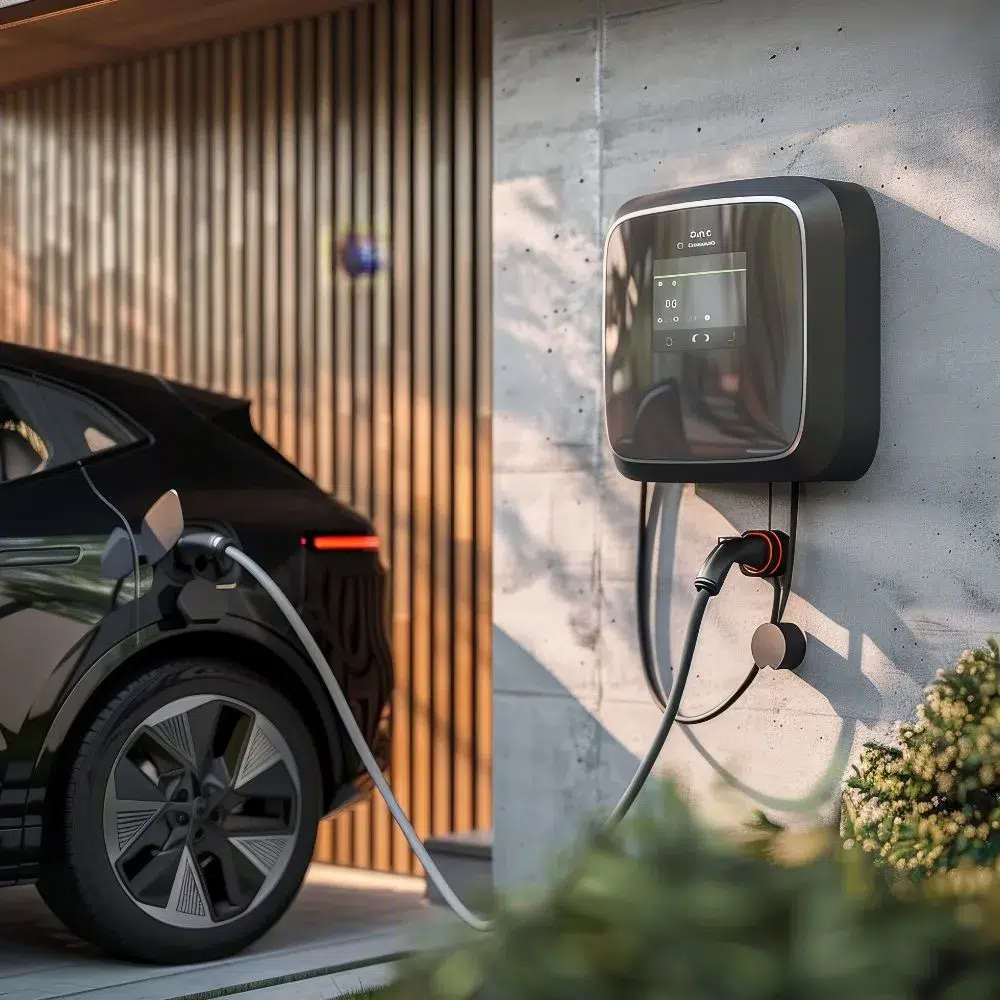
The excitement of bringing home a new electric vehicle is hard to match. For many homeowners in Lynnwood, the next step is finding a reliable home charging solution that eliminates trips to public EV charging stations and provides the convenience of charging overnight. Everything seems straightforward choose the charger, schedule the installation, and get ready to power up.
Then comes an unexpected surprise. During the pre-installation inspection, hidden electrical issues begin to surface. An aging electrical panel, overloaded circuits, outdated wiring, or code violations can quickly turn a simple EV charger install into a delayed project. What homeowners often assume will take a day may require additional electrical upgrades before work can safely move forward.
As electric vehicle ownership continues to grow across Lynnwood, Alderwood, Meadowdale, Martha Lake, Mill Creek, Mukilteo, Bothell, and surrounding Snohomish County communities, understanding these potential issues before installation can save valuable time and prevent costly setbacks.
If you’re planning to install EV chargers at your home, these seven electrical problems are the most common reasons projects get delayed and the solutions that can keep your installation on track.
Why Electrical Problems Delay EV Charger Installations
Many homeowners searching for car charging stations in Lynnwood, electrician near me, EV charging stations, or even a Tesla supercharger near me are surprised to learn that the biggest obstacle is often not the charger itself it is the home’s electrical infrastructure.
Unlike public charging stations, home EV chargers place a significant demand on residential electrical systems. Before installation begins, a professional assessment is necessary to ensure the home can safely support the additional electrical load.
The good news? Most installation delays can be prevented with proper planning and expert guidance.
What Electrical Inspection Should Be Completed Before an EV Charger Install?
A pre-installation electrical inspection should evaluate panel capacity, available circuit space, grounding systems, wiring condition, permit requirements, and compliance with current electrical codes. This process helps identify issues before installation begins and significantly reduces the risk of project delays.
A licensed electrician should inspect:
Electrical Load Capacity
Can the home’s electrical service safely support a charging station without overloading existing circuits?
Electrical Panel Condition
Does the panel have sufficient capacity and breaker space for EV chargers?
Wiring Infrastructure
Is the existing wiring capable of handling continuous charging loads?
Grounding and Bonding
Are safety systems functioning properly to protect the home and vehicle?
Permit and Code Compliance
Does the installation meet Lynnwood and Washington State electrical requirements?
1. Your Electrical Panel Doesn’t Have Enough Capacity
One of the most common reasons EV charger installation projects are delayed in Lynnwood is insufficient panel capacity.
Many homes built before 2000 were designed for lower energy demands. Today’s electrical systems often support HVAC equipment, smart home technology, appliances, entertainment systems, and now EV chargers.
Signs of Capacity Issues
- Frequent breaker trips
- Dimming or flickering lights
- Older 100-amp service panels
- Recent additions or remodels
Solution
A licensed electrician performs a professional load calculation to determine whether the existing panel can safely support a charging station. In some cases, a panel upgrade may be necessary.
2. Outdated Wiring Creates Safety Risks
Older homes throughout North Lynnwood, Meadowdale, and surrounding neighborhoods may contain wiring systems that were never designed for modern EV charging demands.
Outdated wiring can create overheating risks and may fail current safety standards.
Common Wiring Problems
- Aluminum wiring
- Aging insulation
- Undersized conductors
- Previous unpermitted electrical work
Solution
Electrical wiring should be inspected and upgraded when necessary to ensure safe and reliable charging performance.
Why Do Many Lynnwood Homes Built Before 2000 Need Electrical Upgrades?
Many homes built decades ago were designed before electric vehicles became mainstream. Electrical panels, branch circuits, and wiring systems in older homes often lack the capacity required for modern charging stations.
Homeowners in Alderwood, Martha Lake, and surrounding neighborhoods frequently discover that electrical upgrades are necessary before installing EV chargers. Addressing these issues early helps avoid delays during the installation process.
3. Your Main Electrical Panel Is Full
Even if your electrical panel has sufficient overall capacity, it may not have enough physical space available for the dedicated breaker required by an EV charger.
Why This Causes Delays
National Electrical Code (NEC) standards require EV chargers to be installed on dedicated circuits with proper overcurrent protection.
Without available breaker space, installation cannot proceed safely.
Solution
Possible solutions include:
- Installing a subpanel
- Reconfiguring existing circuits
- Upgrading the electrical panel
A EV Charger Installation That Avoided Major Delays
A homeowner in the Alderwood area recently contacted a professional electrician after purchasing a new electric vehicle. The expectation was that the charging station would be installed within a single visit.
However, the pre-installation assessment revealed several hidden issues. The existing panel was operating near maximum capacity, and a detached garage contained older wiring that did not meet current electrical standards.
Rather than rushing the installation, the electrical system was evaluated, the necessary circuit upgrades were completed, and panel capacity was expanded.
The result was a fully code-compliant charging station installation that passed inspection without delays. More importantly, the homeowner gained peace of mind knowing the charging system was safe, reliable, and built to support future electrical needs.
This is exactly why experienced electricians recommend a professional assessment before any EV charger install project begins
Planning an EV Charger Install in Lynnwood?
A professional electrical assessment from In-House Electrical Services can identify hidden issues before they delay your project, helping you avoid unexpected costs and inspection failures.
4. Improper Grounding Can Stop an Installation
Grounding protects both the charging station and the vehicle from electrical faults.
Unfortunately, grounding issues are more common than many homeowners realize.
Potential Problems
- Electrical shock hazards
- Charger malfunctions
- Equipment damage
- Failed inspections
Solution
A licensed electrician should verify all grounding and bonding systems before installation begins.
5. Long Distance Between the Panel and Charger Location
Many homeowners prefer installing their charging station in a garage, driveway, workshop, or detached structure.
While convenient, long installation distances can create technical challenges.
Common Issues
- Voltage drop
- Increased material requirements
- Additional conduit installation
- Higher installation complexity
Solution
Proper site planning ensures the charger is installed in a location that balances convenience, performance, and efficiency.
6. Existing Electrical Code Violations Must Be Corrected
Many homeowners are unaware that previous electrical work may not comply with current standards.
During EV charger installations, these issues are often uncovered.
Common Violations
- Double-tapped breakers
- Missing GFCI protection
- Improper junction boxes
- Unsecured wiring connections
Why This Matters
Current electrical codes exist to improve safety and reliability. A code violation discovered during installation can result in failed inspections and project delays.
Solution
Correcting violations before installation ensures the project proceeds smoothly and safely.
How Do Lynnwood Permit Requirements Affect EV Charger Installation?
Permit requirements help ensure EV charger installations meet local and state safety standards.
Most residential charging station projects require proper permitting and inspection. Failure to obtain permits can create delays, liability concerns, and challenges when selling a property in the future.
Working with a licensed electrical contractor helps ensure compliance with all applicable requirements.
7. DIY EV Charger Installations Often Lead to Costly Delays
Many homeowners searching for EV charging stations or a Tesla supercharger near me wonder whether installing a charger themselves is a practical option.
In reality, EV chargers involve high-voltage electrical systems that require professional expertise.
Risks of DIY Installation
- Failed inspections
- Electrical hazards
- Voided equipment warranties
- Insurance complications
- Expensive rework
Solution
Hiring a licensed electrician ensures safe installation, code compliance, and long-term reliability.
How Can Homeowners Prepare Their Electrical System for EV Chargers?
Preparing ahead of time is the best way to avoid delays.
Step 1: Schedule a Professional Assessment
Identify potential issues before installation begins.
Step 2: Evaluate Future Charging Needs
Consider future vehicle purchases and charging requirements.
Step 3: Verify Panel Capacity
A professional load calculation confirms system readiness.
Step 4: Select the Best Charger Location
Strategic placement improves convenience and charging efficiency.
Step 5: Complete Required Permits
Ensure compliance with all local regulations and inspection requirements.
Why Professional EV Charger Installation Matters
A professionally installed charging station offers more than convenience.
Benefits include:
- Improved electrical safety
- Faster charging performance
- Code-compliant installation
- Reduced risk of equipment failure
- Better long-term property value
- Successful permit inspections
- Future-ready electrical infrastructure
Working with experienced professionals ensures your investment performs reliably for years to come.
Frequently Asked Questions
What electrical issues most commonly delay EV charger installations?
Insufficient panel capacity, outdated wiring, grounding problems, code violations, and lack of breaker space are among the most common causes of installation delays.
How can I determine whether my electrical panel can support EV chargers?
A licensed electrician can perform a load calculation and inspect your electrical system to determine whether upgrades are necessary.
How long does an EV charger install take after the electrical inspection?
Installation timelines depend on the condition of the electrical system, permit requirements, and whether upgrades are needed before installation.
How do Lynnwood permit requirements impact EV charger installation projects?
Permit requirements help ensure installations meet current safety standards and pass inspection without complications.
What factors affect the cost of an EV charger install?
The overall scope depends on electrical panel capacity, wiring condition, charger location, permit requirements, and any necessary upgrades identified during inspection.
Don’t Let Hidden Electrical Problems Delay Your EV Charger Project
Every week, homeowners throughout Lynnwood, Alderwood, Meadowdale, Martha Lake, Mill Creek, and nearby communities discover that hidden electrical issues can delay EV charger installation projects. The longer these issues remain unidentified, the greater the risk of unexpected costs, failed inspections, and project delays.
The best time to uncover electrical problems is before installation begins not on installation day.
If you’re planning to install EV chargers and want a safe, code-compliant, and hassle-free experience, now is the time to act. A professional electrical assessment can identify potential issues early, protect your investment, and ensure your charging station is ready when you need it.
Schedule Your EV Charger Installation Assessment Today
Don’t risk costly delays or failed inspections. Contact In-House Electrical Services today and speak with a trusted local expert who understands electrical requirements.
Call an electrician in Lynnwood now: +1 425-760-3203
The demand for EV charger installations continues to grow across Lynnwood. Schedule your assessment today and secure a safe, reliable home charging solution before your project timeline gets pushed back.