
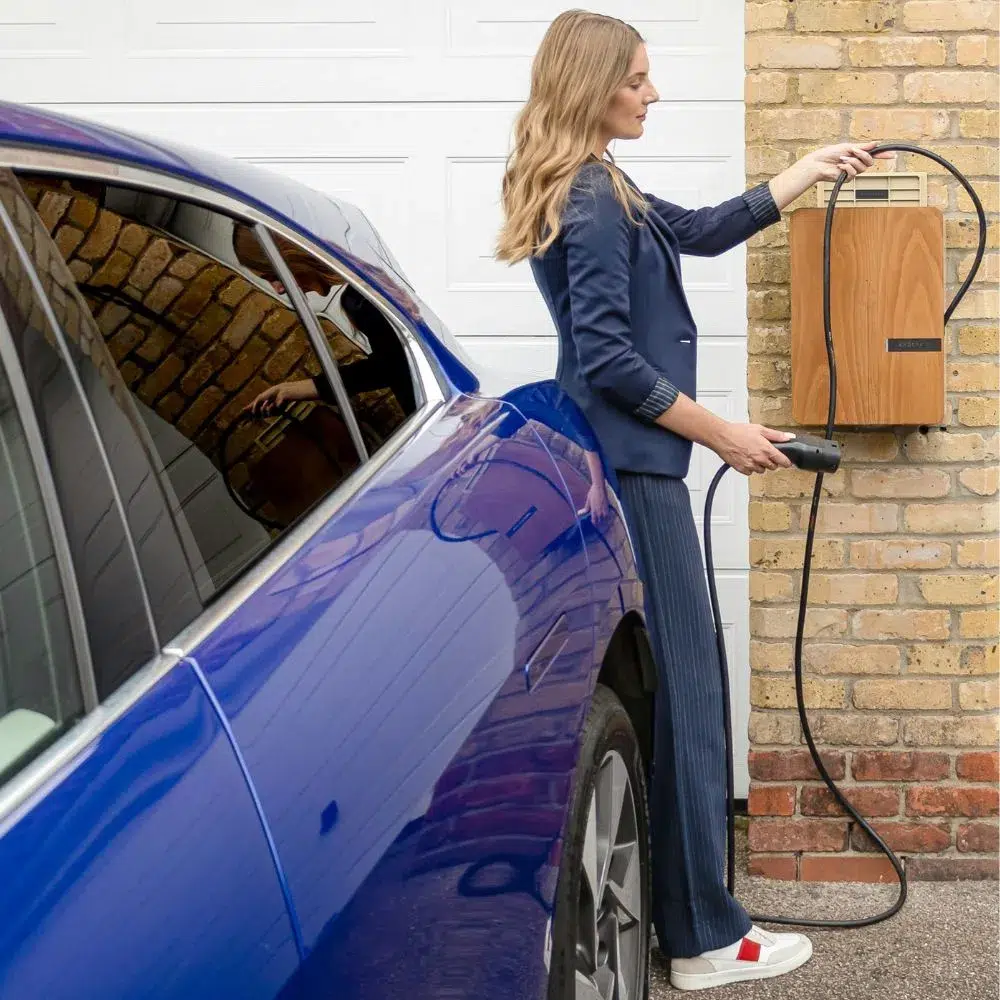
Buying an electric vehicle is an exciting step toward cleaner, more efficient transportation. For many homeowners, however, the excitement changes the moment they begin planning a home charging station. A Level 2 charger promises faster charging and greater convenience, but it also raises an important question: Can your home’s electrical system safely handle the additional demand? At In-House Electrical Services, this is one of the first concerns we help homeowners address. While some homes are ready for an EV charger, others need electrical improvements before installation can begin. Understanding the difference between a 100-amp and 200-amp electrical service can help you avoid unexpected costs, improve electrical safety, and ensure your investment performs reliably for years to come.
If you’re planning a residential EV charger installation in Everett, don’t assume your existing electrical panel is ready for the job. A professional assessment today can prevent costly delays, reduce safety risks, and help you choose the right electrical solution for both your current needs and future plans.
Why Does Your Electrical Service Matter More Than the EV Charger?
When homeowners think about EV charging, most focus on choosing the right charger. While charger features, charging speed, and smart connectivity are important, none of them matter if your home’s electrical system cannot safely support the additional load.
Your electrical service is the foundation of your home’s power distribution. Every appliance from your refrigerator and air conditioner to your water heater and dryer draws electricity from the same electrical service. Adding a Level 2 EV charger means introducing another high-demand appliance that may operate continuously for several hours.
Unlike an oven or microwave that cycles on and off, an EV charger can draw power steadily throughout the night. This sustained demand places additional stress on the electrical system, making it essential to confirm that enough capacity is available before installation.
One of the biggest misconceptions we encounter is that every EV charger automatically requires a panel upgrade. In reality, the answer depends on your home’s total electrical demand not simply the age of the panel or the size of the charger.
That is why every project completed by In-House Electrical Services begins with a detailed inspection rather than assumptions. Our goal is to provide homeowners with accurate recommendations based on the condition of their electrical system, current energy usage, and future expansion plans.
What Is a 100-Amp Electrical Service?
A 100-amp electrical service was once the standard for residential homes across the United States. Many properties built before the 1990s still operate safely with this configuration because they were designed for a time when households relied on fewer electrical appliances.
Years ago, gas furnaces, gas water heaters, and smaller kitchens kept electrical demand relatively low. Today’s homes tell a different story. Electric heat pumps, larger HVAC systems, smart home devices, induction cooktops, home offices, and electric vehicles have dramatically increased the amount of electricity a typical household consumes.
Does this mean every 100-amp service should be replaced?
Not at all.
During our inspections, we’ve found many homes where a 100-amp service still provides enough available capacity for an EV charger. These properties often use natural gas for heating, cooking, or water heating, leaving more electrical capacity available than homeowners expect.
On the other hand, we’ve also evaluated homes where recent remodeling projects, finished basements, or additional electrical appliances have pushed the existing service close to its safe operating limit.
The important takeaway is that a panel’s amperage rating alone doesn’t determine whether an upgrade is necessary. A professional evaluation looks at the entire electrical system not just one number printed on the main breaker.
When Does a 200-Amp Service Become the Better Long-Term Choice?
A 200-amp electrical service doesn’t simply provide “more power.” It provides more usable electrical capacity, allowing multiple high-demand appliances to operate simultaneously without placing unnecessary strain on the system.
For homeowners planning to install an EV charger, a larger service often becomes a worthwhile investment when future electrical upgrades are also part of the plan. Solar panels, battery storage systems, electric heat pumps, workshop equipment, hot tubs, or even a second electric vehicle can quickly increase household energy demand.
Rather than upgrading the electrical service every few years, many homeowners choose to prepare their homes for future technology all at once.
At In-House Electrical Services, we never recommend a 200-amp upgrade simply because it’s the larger option. Instead, we evaluate your home’s existing electrical load, available panel capacity, and long-term goals before making a recommendation. In many cases, homeowners discover that their existing service is sufficient. In others, upgrading now prevents future limitations and supports a safer, more reliable electrical system.
In the next section, we’ll explain how electricians calculate your home’s electrical load, why EV chargers are considered continuous loads, and what factors determine whether your home truly needs a service upgrade before installation.
Why Are EV Chargers Considered Continuous Loads?
One of the biggest differences between an EV charger and other household appliances is how long it operates. A microwave may run for a few minutes, while an oven cycles on and off throughout the cooking process. A Level 2 EV charger, however, can draw electricity continuously for several hours, especially when charging overnight.
The National Electrical Code (NEC) classifies EV charging as a continuous load, meaning the electrical system must safely support that demand for an extended period. This is why installing a charger involves much more than adding another breaker.
During every consultation, In-House Electrical Services performs a professional load calculation to determine how much electricity your home already uses and how much capacity remains available. This evaluation considers major appliances, heating and cooling equipment, lighting circuits, and any planned upgrades. Instead of relying on assumptions, the results provide a clear picture of whether your current electrical service can safely support an EV charger or whether an upgrade would be the better long-term solution.
How Does the EV Charger Installation Process Work?
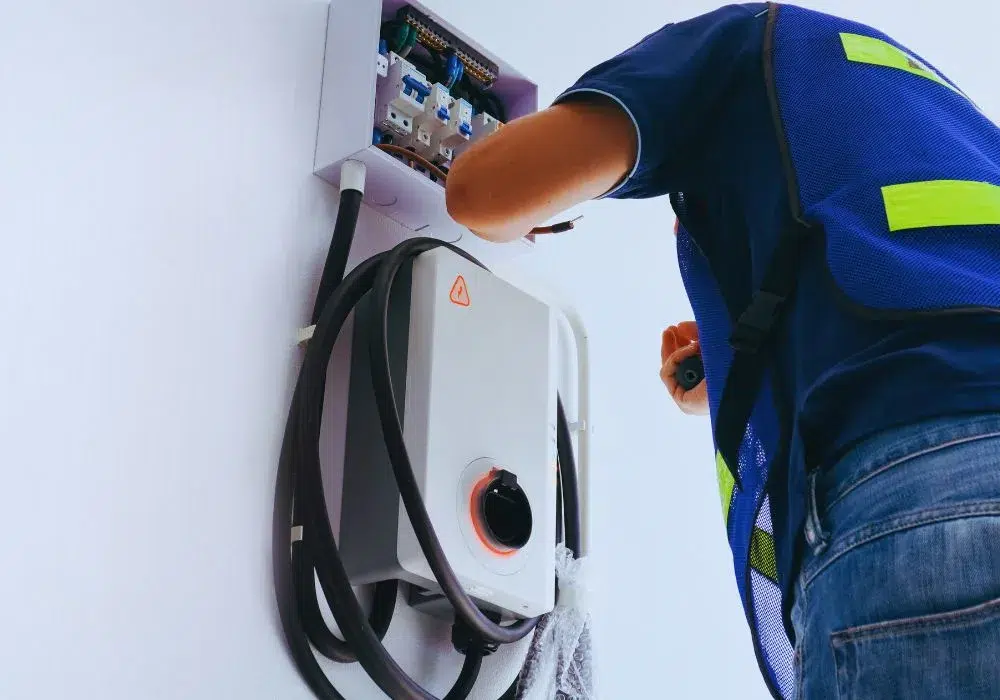
A safe EV charger installation follows a structured process that protects your home, electrical system, and investment. It begins with evaluating your panel capacity, wiring, and charging needs, followed by a code-compliant installation and thorough testing to ensure safe, reliable, and efficient performance.
1. Electrical Assessment
The first step is evaluating the condition of the electrical panel, grounding system, breaker capacity, and available circuit space. Our electricians also identify any signs of wear, outdated equipment, or previous modifications that could affect the installation.
2. Load Calculation
Using NEC guidelines, we calculate the home’s total electrical demand. This helps determine whether the existing service can support the additional load or if upgrades should be completed before installation.
3. Dedicated Circuit Installation
Every Level 2 charger requires its own dedicated 240-volt circuit. A dedicated circuit reduces the risk of overloaded breakers, improves charging performance, and helps ensure compliance with electrical safety standards.
4. Charger Installation and Testing
Once the charger is installed, we test the breaker, wiring, voltage, grounding, and charging performance. Before completing the project, homeowners receive guidance on operating the charger safely and understanding its basic maintenance requirements.
Following this process helps prevent unexpected issues while ensuring reliable charging for years to come.
What Common Mistakes Should Homeowners Avoid?
Many homeowners unintentionally create delays or additional expenses because they begin shopping for a charger before understanding their home’s electrical capacity.
Some of the most common mistakes include:
- Assuming every 100-amp panel needs replacement.
- Purchasing a charger without checking electrical capacity.
- Ignoring future electrical upgrades such as solar panels or battery storage.
- Choosing the highest-amperage charger even when a lower output model would better match household needs.
- Hiring installers who skip a professional load calculation.
Avoiding these mistakes often saves both time and money while ensuring the installation is completed safely.
A Practical Solution for an Everett Homeowner
A homeowner in Everett recently contacted In-House Electrical Services after purchasing an electric SUV. The homeowner expected the charger to be installed immediately because the existing electrical panel had never caused any noticeable problems.
During our inspection, the panel appeared to be in good condition. However, the home’s electrical history told a different story. Over the years, the property had been upgraded with central air conditioning, an electric water heater, a remodeled kitchen, and a dedicated workshop. Individually, each improvement was manageable, but together they significantly increased the home’s electrical demand.
Our load calculation confirmed that adding a Level 2 charger would leave very little remaining capacity during periods of heavy electrical use. Rather than waiting for overloaded breakers or future reliability issues, we recommended one of our electrical panel replacements before installing the charging station.
Once the service was upgraded to 200 amps, the homeowner benefited from faster overnight charging, additional capacity for future home improvements, and the confidence that the electrical system could safely support growing energy demands. Most importantly, the solution eliminated the need for another major electrical project when the homeowner later decided to install a heat pump.
This project reflects a principle we follow on every installation: the best solution isn’t always the biggest upgrade and it’s the one that’s supported by accurate electrical data and designed around the homeowner’s long-term needs.
How Can You Future-Proof Your Home for Changing Energy Needs?
An EV charger is often the first of several electrical upgrades homeowners make. As technology evolves, many families also invest in solar panels, battery storage systems, electric heating, smart home automation, or additional electric vehicles.
Planning for these future improvements today can reduce installation costs and minimize disruption later. In some homes, the existing service already provides enough capacity. In others, electrical panel replacements become the smarter long-term investment because they prepare the home for continued growth rather than addressing only the immediate need.
Working with an experienced electrical contractor ensures your recommendations are based on actual electrical demand instead of assumptions, helping you make confident decisions that improve safety, reliability, and long-term value.
Frequently Asked Questions
What is the difference between a 100-amp and a 200-amp electrical service?
A 200-amp service provides greater electrical capacity, allowing your home to support an EV charger and multiple high-demand appliances more comfortably than a 100-amp service.
How do I know if my electrical panel can support a Level 2 charger?
The most reliable method is a professional load calculation, which evaluates your home’s current electrical demand and available capacity.
Why doesn’t every home need a 200-amp upgrade?
Some homes have enough available electrical capacity to safely support an EV charger. A professional evaluation determines whether an upgrade is actually necessary.
How long does an EV charger installation usually take?
Most standard installations are completed within a day, although projects involving permits or service upgrades may require additional time.
How can In-House Electrical Services help?
Our team provides comprehensive inspections, electrical load calculations, code-compliant installations, and expert recommendations tailored to your home’s unique electrical requirements.
Make the Right Decision Before Installing Your EV Charger
Choosing between a 100-amp and 200-amp electrical service is about more than installing an EV charger and it’s about ensuring your home is prepared for today’s electrical demands and tomorrow’s technology. A professional evaluation helps you avoid unnecessary expenses, improves safety, and gives you confidence that your charging system will perform reliably for years to come.
If you’re planning a residential EV charger installation in Everett, don’t wait until installation day to discover your home’s electrical limitations. Contact In-House Electrical Services today for an expert electrical assessment and personalized recommendations. Call +1 4257603203 to schedule your consultation and let our experienced team help you build a safer, future-ready home with dependable EV charging.