
Imagine returning home after a powerful Pacific Northwest storm. Everything seems normal until you discover your television won’t power on, your Wi-Fi router has stopped working, and your garage door opener is completely unresponsive. The outage lasted only a few seconds, but an electrical surge silently damaged several of the devices your family relies on every day.
While lightning often gets the blame, it’s responsible for only a portion of residential power surges. Many occur during routine utility switching, when large appliances cycle on and off, or because of electrical disturbances inside the home. These smaller surges may go unnoticed, but repeated exposure can gradually shorten the lifespan of expensive electronics, HVAC equipment, and smart home devices.
The good news is that surge damage is often preventable. Understanding the differences between Type 1, Type 2, and Type 3 surge protectors is the first step toward protecting your home’s electrical system. If you’re considering surge protector installation in Everett, knowing how each type works will help you choose the right solution before costly damage occurs.
Why Every Everett Home Needs Surge Protection
Today’s homes contain far more sensitive electronics than they did just a decade ago. Smart thermostats, security systems, internet equipment, EV chargers, refrigerators, and high-efficiency HVAC systems all depend on stable electrical power. Even a brief voltage spike can damage delicate internal components that aren’t designed to withstand sudden increases in electrical current.
During electrical inspections, it’s not uncommon to find homeowners replacing appliances or electronic equipment without realizing a series of unnoticed power surges may have contributed to the failure. In many cases, installing a properly selected surge protection system would have cost far less than replacing multiple devices.
Whether your home is newer or several decades old, protecting your electrical system is an investment that helps safeguard both convenience and long-term property value.
What Is a Surge Protection Device (SPD)?
A Surge Protection Device (SPD) is designed to detect excess voltage and safely divert it to your home’s grounding system before it reaches your electrical circuits and connected equipment.
Instead of allowing a voltage spike to travel through televisions, computers, appliances, or other sensitive electronics, the SPD redirects that excess energy away from the system. This significantly reduces the risk of electrical damage caused by transient voltage events.
Not all SPDs perform the same job, however. Each type is installed in a different location and provides protection against different kinds of electrical surges.
Understanding the Three Types of Surge Protectors
| Surge Protector | Installed At | Primary Purpose | Best For |
| Type 1 | Service entrance | Blocks large external surges before they enter the home | Homes with overhead utility lines or frequent storms |
| Type 2 | Main electrical panel | Protects branch circuits from internal and external surges | Most residential homes |
| Type 3 | Individual outlets | Provides an additional layer of protection for sensitive electronics | TVs, computers, gaming systems, and office equipment |
Rather than competing with one another, these devices are designed to work together. Each provides protection at a different point in your home’s electrical system.
What Is a Type 1 Surge Protector?
A Type 1 surge protector is installed at the electrical service entrance, between the utility company’s power supply and your home’s electrical panel. Because it intercepts incoming surges before they enter the home’s wiring, it serves as the first layer of defense.
Type 1 devices are especially valuable in areas that experience severe weather, overhead utility lines, or occasional lightning activity. They help reduce the intensity of large external surges before those events reach your electrical system.
While this level of protection is important, it doesn’t eliminate every surge. Electrical disturbances generated inside the home can still travel through branch circuits, which is why additional protection is recommended.
What Is a Type 2 Surge Protector?
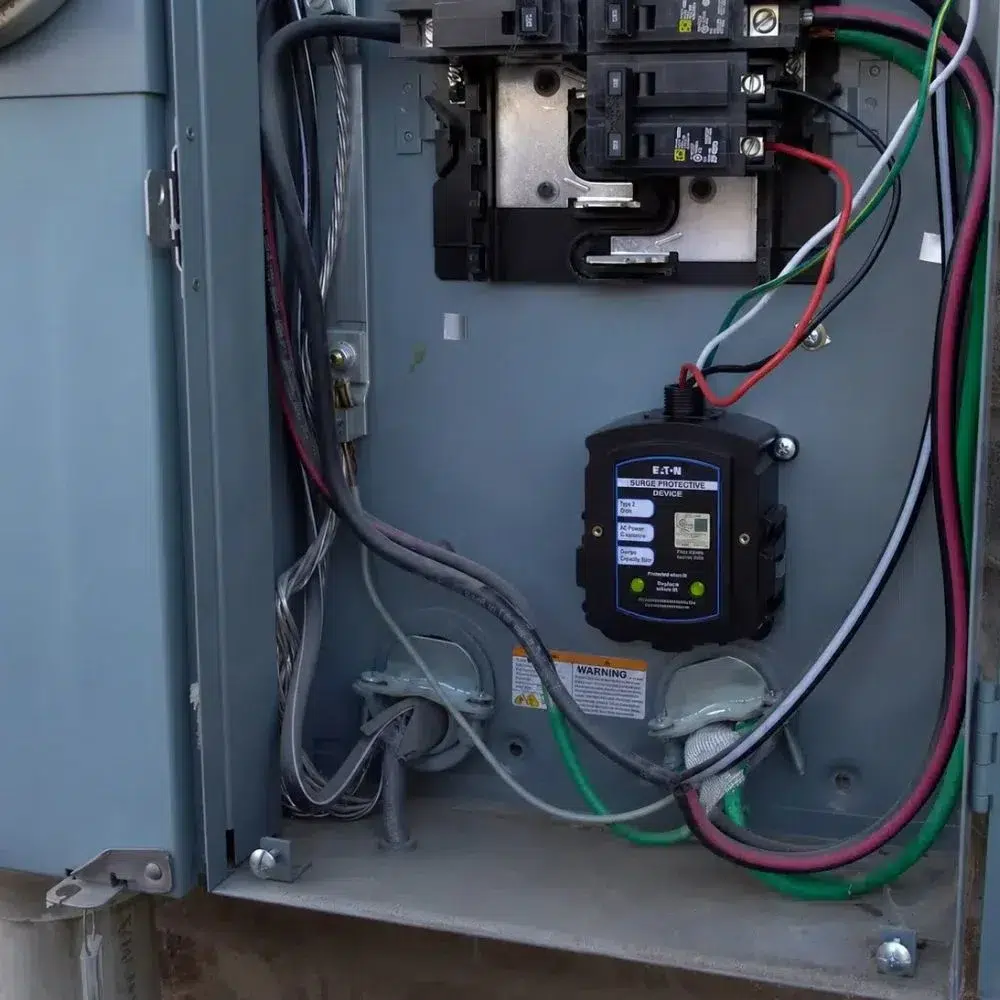
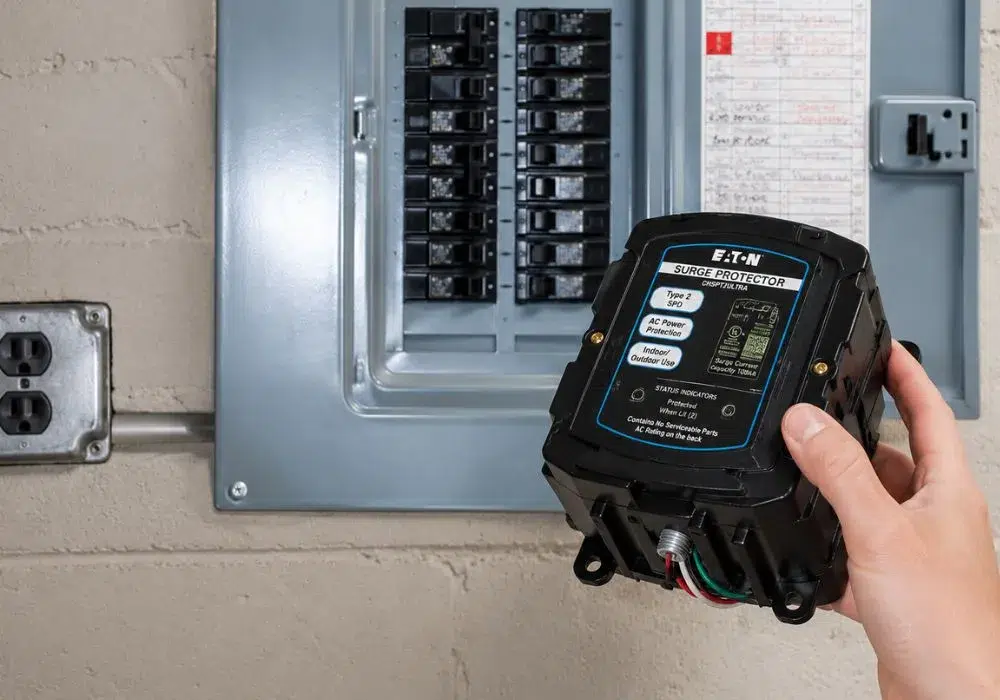
For most homeowners, a Type 2 surge protector offers the greatest overall value. Installed directly inside the main electrical panel, it protects every branch circuit throughout the home rather than a single appliance.
Because it’s positioned at the panel, a Type 2 SPD helps reduce the impact of both incoming utility surges and the smaller voltage fluctuations created by everyday household equipment. Air conditioners, refrigerators, well pumps, and other high-demand appliances frequently generate electrical transients that, over time, can affect sensitive electronics.
This is why many electricians consider a Type 2 surge protector the foundation of a whole-home surge protection system. Instead of relying solely on plug-in power strips, it provides broad protection for the electrical infrastructure that supports your entire home.
For most Everett homeowners, a professionally installed Type 2 SPD is the first recommendation when upgrading electrical protection.
What Is a Type 3 Surge Protector?
Type 3 surge protectors are the devices most homeowners recognize. These include plug-in surge strips and outlet-mounted protectors used for televisions, desktop computers, gaming consoles, networking equipment, and home office electronics.
Although they play an important role, they should never be viewed as a complete surge protection solution.
A plug-in protector is designed to absorb only the smaller amount of surge energy that remains after a properly installed whole-home protection system has already reduced the initial voltage spike. Without upstream protection, a significant surge can overwhelm a standard power strip, leaving valuable electronics vulnerable.
Think of a Type 3 protector as the final layer of defense rather than the first.
Which Surge Protector Is Best for Your Everett Home?
The answer isn’t choosing one type over another and it’s creating a layered protection strategy.
For most homes, the most effective approach combines:
- Type 1 protection to reduce large utility or lightning-related surges before they enter the home.
- Type 2 protection at the electrical panel to safeguard branch circuits and major appliances.
- Type 3 protection for computers, entertainment systems, networking equipment, and other sensitive electronics.
Working together, these layers provide far greater protection than any single device can offer on its own. As homes continue to add smart technology, EV chargers, and connected appliances, a comprehensive surge protection strategy has become one of the most practical ways to protect your electrical investment.
How Whole-Home Surge Protection Safeguards Modern Electronics
Modern homes rely on far more than televisions and computers. Smart thermostats, security cameras, Wi-Fi networks, EV chargers, refrigerators, washing machines, heat pumps, and even medical equipment all contain sensitive electronic components that can be damaged by voltage fluctuations.
While a single surge may cause immediate failure, repeated smaller surges often have a cumulative effect. Over time, they gradually wear down internal circuitry, reducing the lifespan of appliances and increasing the likelihood of unexpected repairs.
A professionally installed whole-home surge protection system helps shield these investments by reducing harmful voltage before it reaches connected equipment. When combined with plug-in protection for high-value electronics, homeowners gain multiple layers of defense against both major and everyday electrical disturbances.
What Happens During Professional Surge Protector Installation?
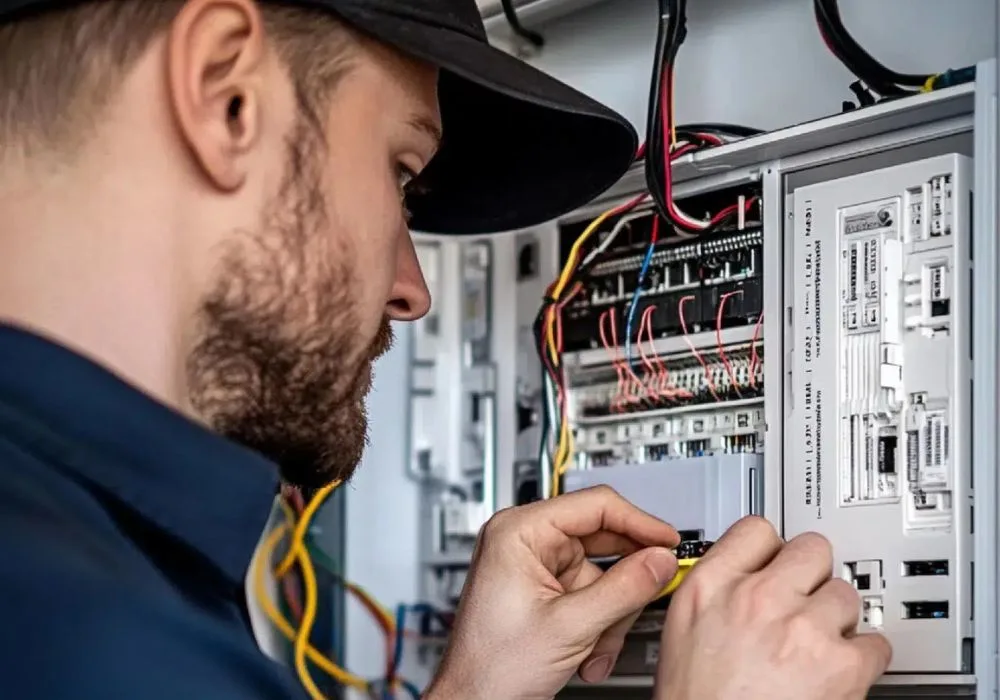
Installing a surge protection device involves much more than mounting equipment inside an electrical panel. Before recommending a solution, a licensed electrician evaluates your home’s electrical system to ensure the protection device will perform as intended.
A typical installation includes:
- Inspecting the electrical panel and service equipment
- Verifying proper grounding and bonding
- Confirming panel compatibility
- Selecting the appropriate SPD for the home’s electrical demand
- Installing the device according to current electrical code
- Testing the system after installation
- Explaining how to monitor the SPD’s status over time
This process helps ensure your surge protection system responds properly when a voltage spike occurs.
Will a Surge Protector Work With Any Electrical Panel?
Most modern electrical panels can accommodate a whole-home surge protector, but compatibility should always be verified before installation.
Some older panels may require upgrades, replacement components, or additional evaluation before an SPD can be installed safely. A professional inspection identifies any issues that could affect performance while ensuring the installation complies with current electrical standards.
Because every home’s electrical system is different, a customized recommendation provides far better protection than choosing a device based on price alone.
What Affects Surge Protector Installation Cost?
Homeowners often ask about installation costs before scheduling service. While pricing varies, several factors influence the overall investment, including:
- The condition and age of the electrical panel
- The type and rating of the surge protection device
- Panel accessibility
- Whether additional electrical upgrades are needed
- Permit or inspection requirements
Although installation costs vary from one home to another, replacing damaged electronics, HVAC control boards, or smart appliances after a major surge is often significantly more expensive than installing preventative protection.
Do Whole-Home Surge Protectors Last Forever?
Like any protective device, surge protectors do not last indefinitely.
Every time an SPD absorbs excess electrical energy, a small portion of its protective capacity is used. Most high-quality units provide years of reliable performance, but repeated surge activity or one significant electrical event can shorten their lifespan.
Fortunately, many modern surge protection devices include an indicator light that shows whether the unit is still functioning correctly. During routine electrical service, a licensed electrician can inspect the SPD and confirm it’s still providing effective protection.
Periodic inspections help ensure your home remains protected long after installation.
Does Homeowners Insurance Cover Surge Damage?
Many homeowners assume insurance will automatically cover damage caused by a power surge, but coverage varies by policy and provider.
Some policies cover surge-related damage under specific circumstances, while others exclude certain causes or require deductibles that exceed the cost of replacing smaller electronics. Even when coverage applies, filing a claim doesn’t eliminate the inconvenience of replacing damaged equipment or restoring lost data.
Preventing surge damage before it occurs is often more affordable and far less disruptive than relying on insurance after the fact.
Why Surge Protection Matters for Everett Homes
Everett homeowners face several conditions that can increase the importance of surge protection. Seasonal windstorms, heavy rain, utility switching events, and the growing use of EV chargers, heat pumps, and smart home technology all place greater demands on residential electrical systems.
At the same time, today’s appliances contain sophisticated circuit boards that are far more sensitive than older equipment. A voltage spike that might have gone unnoticed years ago can now damage expensive electronic components in seconds.
Choosing a layered surge protection strategy helps reduce these risks while protecting the technology modern families depend on every day.
Frequently Asked Questions
What’s the difference between Type 1, Type 2, and Type 3 surge protectors?
Type 1 protects against incoming utility surges, Type 2 safeguards your home’s electrical panel and circuits, and Type 3 provides added protection for individual electronics at the outlet.
Is a plug-in surge protector enough?
No. Plug-in surge protectors are only the final layer of defense and should be used alongside a whole-home Type 1 or Type 2 surge protector.
How do I know if my home has whole-home surge protection?
A licensed electrician can inspect your electrical panel to determine whether a Type 1 or Type 2 surge protection device is installed and functioning properly.
How often should a surge protector be inspected?
Have your surge protection inspected during routine electrical service or after a major power surge to ensure it continues providing reliable protection.
Protect Your Home Before the Next Power Surge
Power surges rarely come with a warning, but the damage they leave behind can be expensive, frustrating, and completely avoidable. Whether the surge originates from the utility grid, severe weather, or everyday electrical activity inside your home, protecting your electrical system before problems occur is one of the smartest investments you can make.
Rather than relying on a single power strip, a layered approach that combines Type 1, Type 2, and Type 3 surge protection offers the most comprehensive defense for today’s homes. It helps protect valuable electronics, extends the life of appliances, and provides greater confidence that your home’s electrical system is prepared for unexpected voltage events.
If you’re considering surge protector installation in Everett, working with a licensed electrician ensures the right protection is selected for your home’s electrical system, installed safely, and tested for long-term performance. With the proper surge protection in place, you can enjoy greater peace of mind knowing the technology your family depends on is better protected against unpredictable electrical disturbances.
Protect your home with confidence by choosing In-House Electrical Services for professional surge protector installation in Everett. Our team provides licensed and properly insured electrical services, honest, upfront pricing with no hidden fees, free estimates, same-day service when available, and 24/7 emergency electrical support. We also offer flexible financing, including 0% interest financing for qualified customers, making it easier to invest in your home’s electrical safety. Backed by quality workmanship and fast, on-time service, we’re committed to delivering reliable solutions that protect your home for years to come.
Call In-House Electrical Services today at +1 4257603203 to schedule your free estimate and learn how whole-home surge protection can safeguard your electrical system and valuable electronics.