
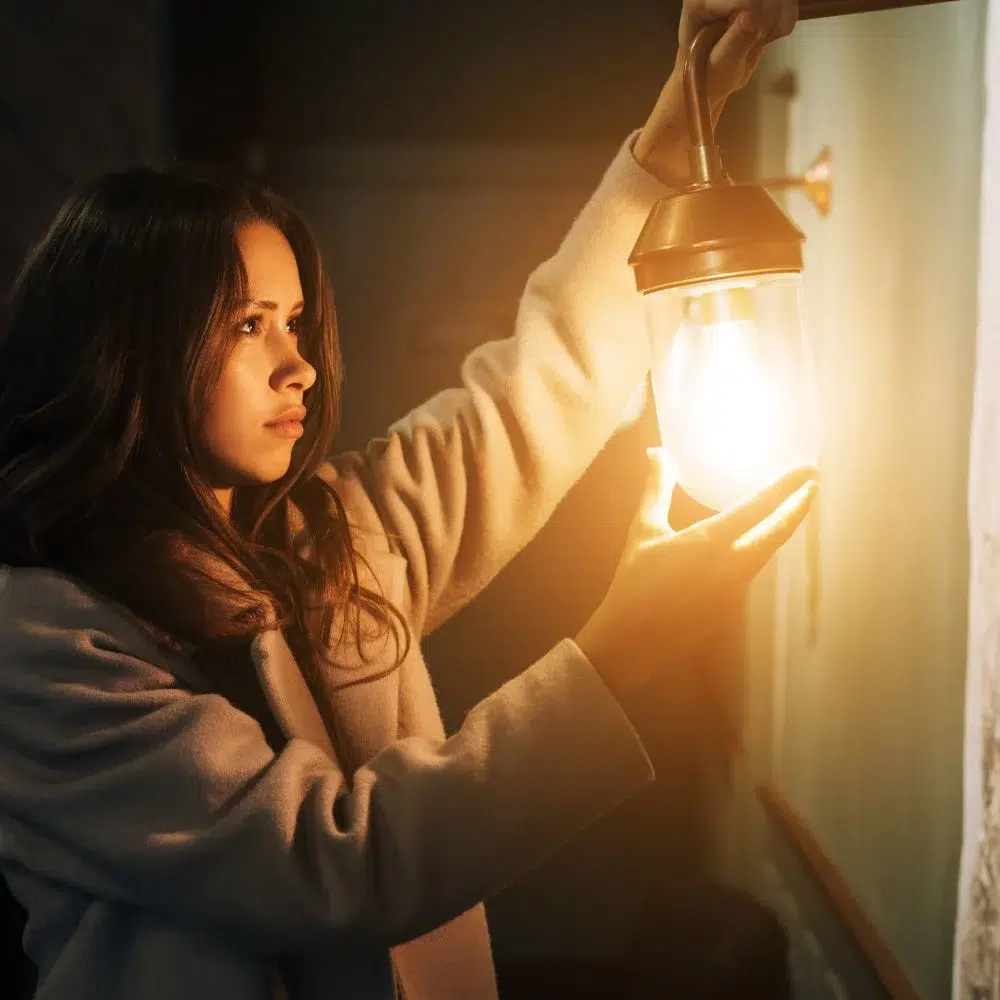
You’re relaxing at home when the microwave starts and the kitchen lights dim for a second. Later, the air conditioner kicks on and the same thing happens again. Many homeowners in Snohomish County notice these brief lighting changes and wonder whether they’re normal or a sign of an electrical problem. If your lights keep flickering every time a major appliance starts, it’s important to understand what may be causing the issue before it becomes more serious.
The truth is that not every flicker is dangerous. Large appliances often draw extra power when they start. However, if the flickering becomes frequent, affects multiple rooms, or appears to be getting worse, your home’s electrical system may be warning you about an issue that deserves professional attention. In situations involving burning odors, buzzing sounds, sparking outlets, or repeated breaker trips, don’t wait contact a licensed emergency electrician immediately to help protect your home and family.
What Causes Lights to Flicker When Appliances Turn On?
Appliances such as refrigerators, air conditioners, dryers, dishwashers, and washing machines contain motors or compressors. When these components start, they can briefly draw two to seven times more electricity than they use during normal operation. Electricians refer to this temporary demand as startup current or inrush current.
In a healthy electrical system, this extra demand may cause only a slight, momentary dimming that lasts less than a second. If the lights dim noticeably, flicker repeatedly, or affect several areas of the home, the underlying electrical system may not be handling the load efficiently.
The Most Common Causes of Flickering Lights
Flickering lights often result from overloaded circuits, loose wiring, outdated electrical panels, voltage fluctuations, or failing electrical connections. While occasional flickering may be harmless, frequent or worsening issues can signal a deeper electrical problem that should be inspected by a licensed electrician to ensure your home’s safety and reliability.
1. Overloaded Circuits
One of the most common causes is an overloaded branch circuit. This happens when several high-demand devices share the same circuit.
While several electrical issues can cause lights to flicker, the following are the most common problems electricians find during residential inspections.
Examples include:
- A microwave and kitchen lighting on the same circuit
- A space heater plugged into a bedroom circuit
- A portable AC unit sharing power with multiple outlets
- Laundry appliances operating simultaneously
When a large appliance starts, the voltage on that circuit can drop briefly, causing nearby lights to dim. In many homes, installing a dedicated circuit for high-demand appliances such as microwaves, refrigerators, or HVAC systems helps improve electrical reliability and reduces unnecessary voltage drops.
2. Loose Electrical Connections
Loose wiring is far more serious than many homeowners realize. Connections inside outlets, switches, junction boxes, or the electrical panel can loosen over time due to vibration, thermal expansion, or aging.
Warning signs include:
- Repeated flickering
- Buzzing sounds
- Warm outlets or switches
- Burning odors
- Intermittent power loss
Important Safety Note
Because loose electrical connections can increase the risk of overheating, they should always be inspected by licensed and properly insured residential electricians who can diagnose and repair the issue safely.
3. An Aging or Undersized Electrical Panel
Throughout Snohomish County, many older homes were built before today’s electrical demands became common. As homeowners add EV chargers, heat pumps, home offices, and modern kitchen appliances, older panels may struggle to supply enough power. If an upgrade is recommended, choosing an electrician who offers free estimates, honest, upfront pricing, and flexible financing options, including 0% interest financing for qualifying customers, can make important electrical improvements easier to plan.
4. Voltage Fluctuations
Frequent whole-home flickering may indicate a larger power quality issue involving the electrical service, utility connection, or a loose neutral conductor. These problems should always be evaluated by a qualified electrician.
Is It Normal for Lights to Flicker?
A slight, momentary dimming when a large appliance starts can be normal. However, frequent flickering, lights that brighten and dim repeatedly, or flickering throughout the home may indicate an overloaded circuit, loose connection, or another electrical issue that should be inspected.
Usually normal
Monitor
- A single brief dim when the air conditioner starts
- The refrigerator compressor turns on
- A well pump begins operating
- A large appliance starts once and the lights immediately return to normal
Not normal
Needs inspection
- Lights flicker several times a day
- Multiple rooms are affected
- Lights become brighter and then dimmer
- Breakers trip repeatedly
- Buzzing sounds accompany the flicker
- Flickering is becoming more frequent over time

How Can You Tell If Flickering Lights Are Dangerous?
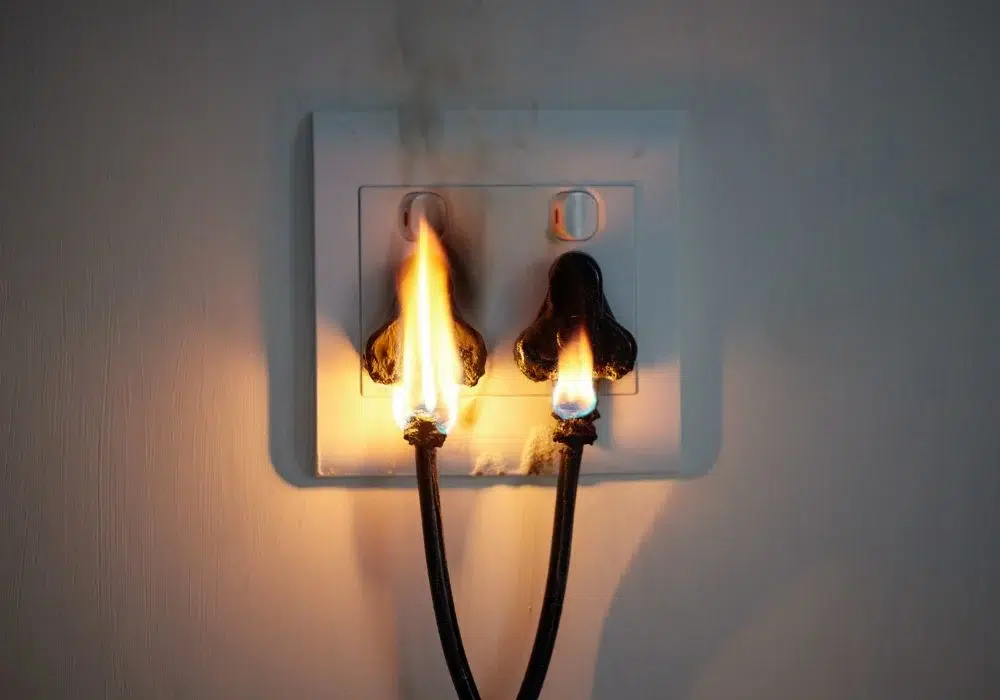
If flickering lights are accompanied by burning odors, buzzing sounds, warm outlets, sparking switches, or frequently tripping breakers, the problem may be serious. Whole-house flickering or lights that dim dramatically also indicate an electrical issue that should be inspected by a licensed residential electrician as soon as possible.
Call a licensed residential electrician immediately if you notice:
- Flickering throughout the entire house
- Burning smells near outlets or the electrical panel
- Sparking outlets or switches
- Warm electrical devices
- Frequent breaker trips
- Buzzing or crackling sounds
- Lights that brighten unexpectedly before dimming
These symptoms often indicate loose connections, failing components, or service-level electrical problems that should not be ignored.
If you notice any of these warning signs, contacting an emergency electrician promptly can help prevent further damage and reduce the risk of electrical hazards.
In many homes, flickering starts as a minor annoyance and gradually becomes more noticeable. Addressing the problem early is usually simpler and less expensive than waiting until a breaker fails, an appliance is damaged, or a larger electrical repair becomes necessary.

What Should You Check Before Calling an Electrician?
While homeowners should never open an electrical panel or attempt wiring repairs, a few simple observations can help identify patterns and provide useful information during a service visit.
Note Which Appliance Causes the Flickering
Pay attention to whether the lights flicker when a specific appliance starts, such as:
- Air conditioner or heat pump
- Refrigerator
- Microwave
- Washing machine
- Dryer
- Dishwasher
- Garbage disposal
If the same appliance triggers the problem every time, it may indicate a dedicated circuit issue, an overloaded branch circuit, or a problem with the appliance itself.
Observe Which Lights Are Affected
Ask yourself:
- Does only one room flicker?
- Do lights throughout the house dim at the same time?
- Are only LED bulbs flickering?
These details can help narrow down whether the issue is isolated to one circuit or affects your home’s entire electrical system.
Notice How Often It Happens
A brief dimming once in a while isn’t necessarily a cause for concern. However, if flickering occurs daily, becomes more noticeable, or starts affecting additional rooms, it’s time to schedule a professional electrical inspection.
How Professional Electricians Diagnose Flickering Lights
Finding the root cause requires more than replacing a light bulb or resetting a breaker. Experienced residential electricians follow a systematic troubleshooting process to identify exactly where the problem originates.
A professional inspection may include:
- Measuring incoming line voltage
- Checking for voltage drops under electrical load
- Inspecting the electrical panel and circuit breakers
- Testing circuit loads to identify overloaded circuits
- Examining neutral and grounding connections
- Looking for signs of overheating or damaged wiring
- Evaluating the home’s service capacity
In many residential electrical inspections throughout Snohomish County, electricians discover that recurring flickering is often caused by loose electrical connections, overloaded kitchen circuits, aging breaker panels, or electrical systems that no longer meet the demands of modern households.
The goal isn’t simply to stop the flickering and it’s to correct the underlying issue and restore safe, reliable electrical performance.
After identifying the cause, a reputable electrician should clearly explain the findings, discuss the available repair options, and provide honest, upfront pricing with no hidden fees before any work begins. This helps homeowners make informed decisions about their electrical system.
Common Solutions for Flickering Lights
The right repair depends on the cause of the problem. After completing an inspection, an electrician may recommend:
- Tightening or repairing loose electrical connections
- Installing dedicated circuits for large appliances
- Replacing worn or faulty circuit breakers
- Upgrading an outdated electrical panel
- Repairing damaged wiring
- Correcting grounding or neutral connection issues
Because every home’s electrical system is different, professional testing is the safest way to determine the appropriate solution.
Whether the repair involves replacing a breaker, repairing loose wiring, or upgrading an electrical panel, quality workmanship is essential for long-term safety and reliability. Homeowners also value fast, on-time service, especially when electrical issues interrupt everyday life.
How to Reduce the Risk of Future Electrical Problems
While not every electrical issue can be prevented, regular maintenance and safe electrical habits can significantly reduce the likelihood of future problems.
A few simple maintenance habits can help reduce the risk of electrical problems and keep your home’s electrical system operating safely.
- Scheduling routine residential electrical inspections.
- Avoiding the use of multiple high-demand appliances on the same circuit.
- Replacing damaged outlets, switches, and extension cords promptly.
- Having older electrical panels evaluated as household power needs increase.
- Installing dedicated circuits when adding appliances such as EV chargers, heat pumps, or new kitchen equipment.
- Never ignoring buzzing sounds, burning odors, or recurring breaker trips.
Preventive maintenance helps extend the life of your electrical system while improving safety and reliability throughout your home.
Some electrical problems can’t wait. If you notice burning odors, sparking outlets, or sudden power loss, access to same-day service and 24/7 emergency electrical services can help address potential hazards before they become more serious.
Frequently Asked Questions
Why do my lights flicker only when the air conditioner starts?
A slight dimming is normal when the AC compressor starts. Frequent or severe flickering may indicate an electrical problem.
Why do LED lights flicker more than older bulbs?
LEDs react quickly to voltage changes, making electrical fluctuations more noticeable.
Can flickering lights damage my appliances?
Occasional flickering is usually harmless, but ongoing electrical issues can damage appliances over time.
When should I call an electrician?
Call an electrician if flickering is frequent, affects multiple rooms, or occurs with buzzing, burning smells, or tripping breakers.
Don’t Ignore the Warning Signs
A brief dimming when a large appliance starts can be perfectly normal. But if your lights flicker regularly, become brighter before dimming, or the problem continues to worsen, your home’s electrical system may be signaling an issue that needs professional attention.
Small electrical problems rarely improve on their own. Identifying the cause early can help prevent costly repairs, protect valuable appliances, and reduce the risk of more serious electrical hazards.
For homeowners throughout Snohomish County, In-House Electrical Services provides trusted residential electrical inspections, troubleshooting, panel upgrades, circuit repairs, and 24/7 emergency electrical services. Every service is performed with a focus on safety, code compliance, and long-term reliability, helping homeowners feel confident that the underlying electrical issue has been properly diagnosed and repaired.
If you’ve noticed recurring flickering lights or other unusual electrical behavior, don’t wait for the problem to become more serious. Call In-House Electrical Services at +14257603203 to schedule a residential electrical inspection, request a free estimate, or receive prompt assistance from a licensed residential electrician serving Snohomish County.