
An Everett homeowner replaces an air conditioner control board after the system suddenly stops responding. The repair restores cool air, so the problem appears solved. A few weeks later, lights blink during a brief power interruption near Silver Lake. The AC continues running that evening, but the new control board fails days later. After another replacement, the homeowner begins to question whether the HVAC equipment caused both failures.
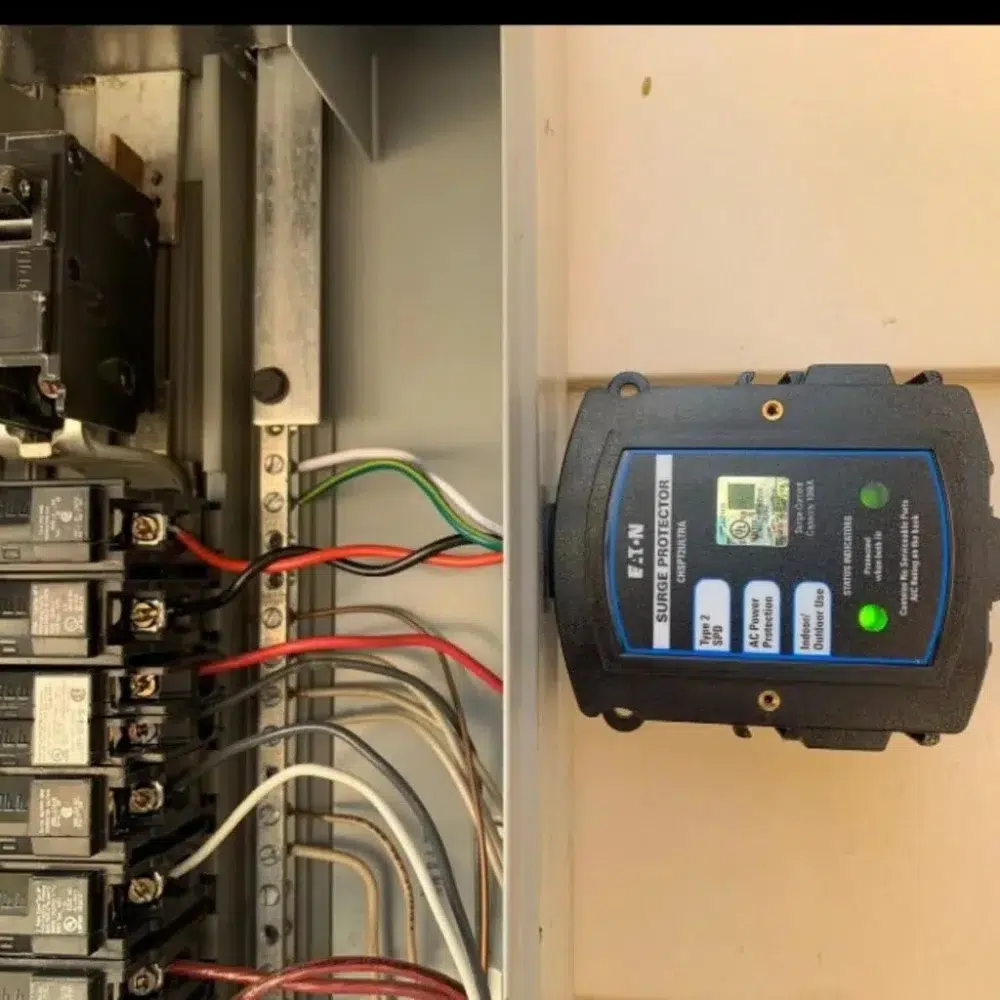
Repeated board damage following power flashes may point to voltage disturbances within the home’s electrical system. In this situation, an electrical inspection and surge protector installation in Everett may help address the underlying risk instead of treating each failed board as an isolated problem. What should the electrician investigate before recommending protection?
What Does a Power Flash Do to an AC Control Board?
A power flash occurs when electricity cuts out and returns within seconds. Homeowners may notice blinking lights, a resetting microwave clock, or a thermostat that briefly goes blank. Although the interruption feels minor, the electrical event may include a transient voltage spike when power drops, switches, or returns.
An AC control board acts as the system’s electronic command center. It receives thermostat signals and coordinates the compressor, blower motor, relays, sensors, and safety controls. Modern boards contain delicate components that cannot tolerate unlimited electrical stress.
A damaging voltage spike may:
- Burn board traces or electronic components
- Damage relays and low-voltage circuits
- Corrupt communication between the thermostat and equipment
- Weaken components that fail days or weeks later
- Cause intermittent operation before complete board failure
This delayed damage makes diagnosis difficult. The AC may restart after a power flash, which can lead the homeowner to assume that nothing happened. However, the event may have already shortened the control board’s service life.
Why Do Power Interruptions Create a Legitimate Concern?
Snohomish County PUD explains that returning power after an outage may involve a brief surge. The utility advises customers to unplug sensitive electronics and turn off most electrical loads until service stabilizes. That recommendation helps protect plug-connected devices, but an Everett homeowner cannot simply unplug a hardwired air conditioner, heat pump, or furnace control board.
Power interruptions may also involve several electrical events rather than one clean loss and restoration of service. Utility switching, fault clearing, repeated attempts to restore a circuit, and the simultaneous restart of household equipment may expose sensitive HVAC electronics to changing voltage conditions. However, the fact that an outage occurred does not prove that it damaged the AC board.
Everett includes homes built and remodeled during different periods. Some properties may contain panels, HVAC circuits, grounding components, or electrical modifications installed at different times. An electrician in Everett should evaluate the individual property instead of assuming that its age or neighborhood caused the problem.
Does Repeated Control-Board Failure Prove That a Surge Caused It?
No. Two failed boards create a pattern worth investigating, but they do not prove surge damage by themselves. A qualified electrician and HVAC technician may need to coordinate their findings.
Other possible causes include:
- Loose or damaged electrical connections
- Improper equipment grounding or bonding
- Incorrect supply voltage
- A failing transformer or contactor
- Shorted thermostat wiring
- Moisture or condensation inside the equipment
- Excessive heat near the control board
- Installation errors or incompatible replacement parts
- Sustained overvoltage or undervoltage
- Defects elsewhere in the HVAC system
A whole-home surge protective device addresses short-duration voltage spikes. It does not correct loose wiring, sustained high voltage, brownouts, or a defective AC component. That distinction protects homeowners from paying for the wrong solution.
The strongest diagnosis combines the failure history with an electrical panel inspection, grounding evaluation, voltage testing, and HVAC equipment assessment.
What Should an Electrician Check Before Recommending Surge Protection?
A professional evaluation should extend beyond attaching a device to the panel. The electrician should determine whether the home can support an effective, code-compliant installation.
1. Main Electrical Panel Condition
The electrician should inspect the panel type, available breaker space, signs of overheating, corrosion, loose connections, and previous modifications. A damaged or obsolete panel may require corrective work before installation.
2. Grounding and Bonding
A surge protector diverts transient excess voltage away from protected circuits. It needs an effective grounding and bonding system to perform correctly. Loose, corroded, interrupted, or improperly configured connections can reduce protection.
3. AC Circuit and Disconnect
The inspection should include the HVAC breaker, conductors, disconnect, and visible connections. This step helps identify heat damage, an incorrect breaker size, or another fault that may contribute to board failure.
4. History of the Electrical Events
Homeowners should explain when lights flashed, whether other devices reset, when the AC stopped working, and whether the failure followed an outage. Dates, utility notifications, repair invoices, and failed-part reports can reveal a useful pattern.
How Can Surge Protector Installation Protect an HVAC System?
A whole-home surge protective device remains connected to the electrical system and responds rapidly when transient voltage exceeds its designed threshold. It limits the voltage that reaches connected equipment by diverting surge current through its protective pathways. This response can reduce the electrical stress placed on sensitive HVAC components, although no SPD can block every possible event.
For an air conditioner or heat pump, surge protection may help reduce exposure to components such as:
- Electronic control boards
- Variable-speed motor controls
- Communicating thermostats
- Compressor control modules
- Relays and contactors
- Low-voltage transformers
- Sensors and communication circuits
A whole-home SPD installed at the electrical panel provides a primary layer of protection for hardwired equipment. Depending on the AC system, panel configuration, and manufacturer requirements, an electrician may also discuss a dedicated HVAC surge protector near the outdoor disconnect. Protection at both locations may provide a layered approach, with one device serving the home’s electrical distribution system and another positioned closer to the HVAC equipment.
Proper installation matters as much as device selection. Conductor length, grounding and bonding, panel condition, device rating, and placement can affect performance. An electrician should inspect these conditions before recommending a particular surge-protection arrangement.
What Should Homeowners Do After the Next Power Flash?
If the AC control board has already failed once, details from the next power interruption may help an electrician and HVAC technician identify a pattern. Record the event instead of repeatedly restarting the system without knowing what happened.
- Note the date and approximate time of the power flash.
- Save any Snohomish County PUD outage notification associated with the event.
- Record whether lights dimmed, brightened, or blinked more than once.
- Check whether the thermostat, router, microwave clock, or other electronics reset.
- Observe whether the AC restarts normally, short-cycles, displays an error code, or stops responding.
- Listen for unusual humming, clicking, or buzzing near the panel, AC disconnect, or outdoor unit.
- Photograph any thermostat error message before resetting the equipment.
- Keep the previous control-board invoice, part number, and technician’s diagnostic notes.
- Contact an electrician if the failure follows repeated power events or affects other electrical equipment.
- Ask an HVAC technician to inspect equipment-side causes before assuming that the board alone failed.
Do not repeatedly reset a breaker that trips again. Never open the electrical panel or outdoor disconnect to inspect energized components. These areas can contain hazardous voltage even when the AC has stopped operating.
Frequently Asked Questions
Can a small power flash damage an AC board even if the system restarts?
Yes. A transient may weaken sensitive components without causing immediate failure. The board can continue operating temporarily before the damaged component fails. However, a technician must inspect the system before attributing the failure to a surge.
Will a whole-home surge protector guarantee that my AC never loses another board?
No device can guarantee complete protection from every electrical event. A whole-home SPD can reduce damage from transient voltage spikes, but it cannot repair HVAC defects or correct sustained voltage problems. Proper grounding and professional installation also affect performance.
Should I replace the control board before calling an electrician?
If the HVAC system needs immediate repair, contact an HVAC technician. When the board has failed more than once, or the failure followed power flashes, involve an electrician before treating the replacement as the complete solution.
How will I know whether my panel-mounted surge protector still works?
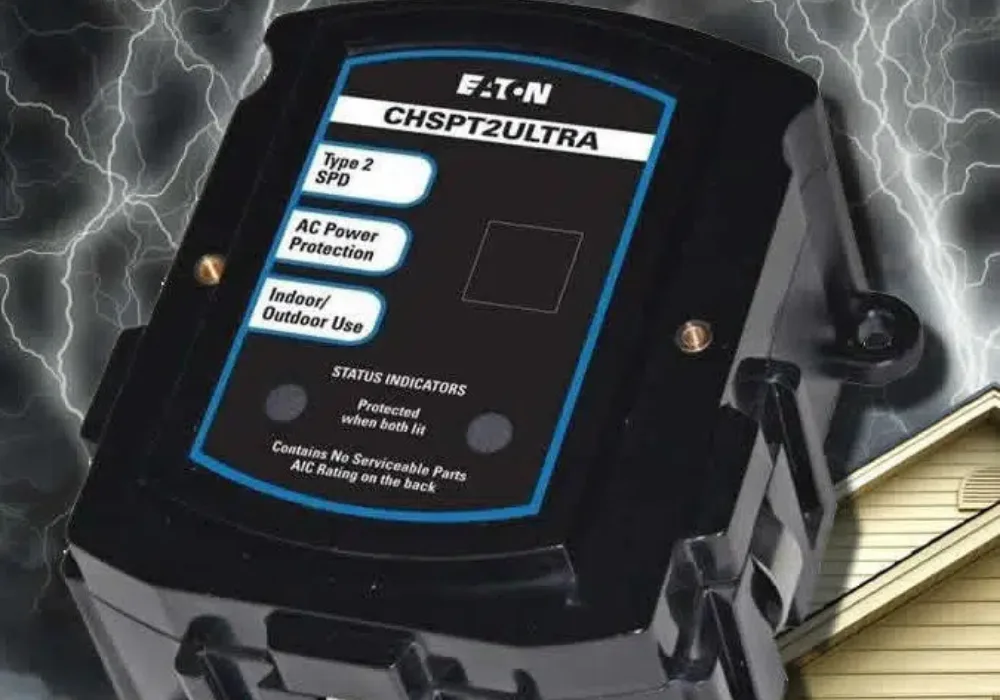
Many devices use indicator lights to show protection status. Check the manufacturer’s instructions and ask your electrician to explain the indicator during installation. A dark, red, or warning indicator may signal that the device needs professional evaluation or replacement.
Can surge protection help an older Everett home?
Yes, but the electrician should first inspect the panel, grounding, bonding, and service configuration. Older homes sometimes contain electrical conditions that require correction before a surge protective device can perform as intended.
Protect the New AC Board Before Next Power Interruption
A third control-board replacement should not become the next step in an unexplained cycle. If power flashes have preceded repeated HVAC failures, investigate the home’s electrical system before another outage or restoration event places the equipment at risk.
In-House Electrical Services provides professional surge protector installation in Everett, including panel assessment, device selection, installation, and final testing. We can also identify grounding, connection, or panel concerns that a replacement HVAC board will not solve.
Call In-House Electrical Services at 425-760-3203 now to schedule an electrical evaluation. Address the source of the risk before the next power flash turns another new control board into another expensive repair.