A lot of Lynnwood’s housing has been around for decades. Ramblers, split-levels and older two-stories that were wired for a household with a toaster, a TV and a dryer. Today those same homes run laptops, space heaters, air fryers and maybe an EV charger. Much of the wiring has held up well. Some of it hasn’t. If you own an older home, these are the problems electricians in Lynnwood see again and again, what each one means, and when it’s time to call.
Why Electricians in Lynnwood Spend So Much Time in Older Homes
Older homes aren’t unsafe by default. But electrical systems age like everything else. Connections loosen over years of heating and cooling. Insulation gets brittle. Panels fill up as owners add circuits. And over several decades, most houses go through a few owners, each with their own idea of what counts as a safe repair.
The good news is that most of these problems give you warning signs well before they become serious. Knowing what to watch for helps you catch them early.
Breakers That Won’t Stay On
A breaker that trips once in a while is doing its job. A breaker that trips every time you run the microwave and the toaster together is telling you the circuit is overloaded.
Older homes often have fewer circuits than today’s households need. Kitchens are the most common trouble spot, since modern countertop appliances draw a lot of power and older kitchens may have only one or two circuits feeding every outlet.
Other causes include a worn-out breaker, a short somewhere on the circuit, or a loose connection. The fix might be moving a heavy appliance to a different circuit, adding a dedicated circuit, or repairing a fault. What you shouldn’t do is swap in a bigger breaker. Breakers are sized to protect the wire, and a larger breaker on the same wire removes that protection.
Flickering Lights, Warm Plates and Loose Connections
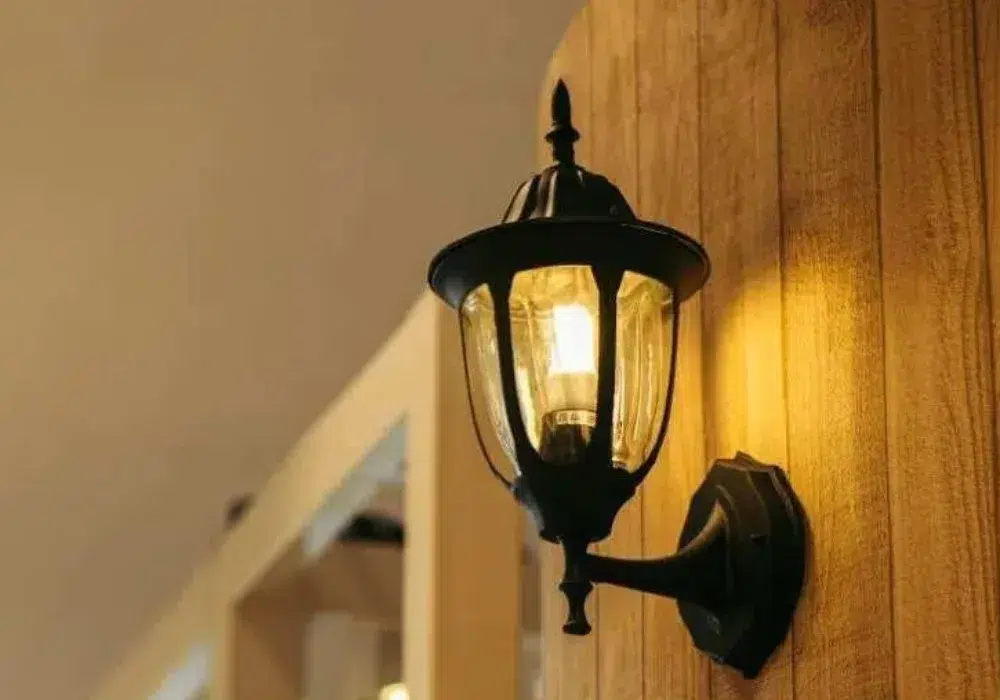
Lights that flicker when nothing else is changing, outlets that only work sometimes, or a switch plate that feels warm all point toward the same thing: a connection that isn’t tight.
Loose connections create heat. Over time, that heat can damage the wire, the device and the box around it. It’s one of the more common hidden problems in older homes, and it’s worth having checked rather than waiting to see if it gets worse.
Aluminum wiring from the 1960s and 1970s
If your Lynnwood home was built in the mid-1960s to early 1970s, it may have aluminum branch wiring. The U.S. Consumer Product Safety Commission has warned that connections on aluminum circuits can overheat, and lists warning signs like warm cover plates, flickering lights, dead circuits and the smell of burning plastic. CPSC also notes that simple twist-on connectors are not an adequate long-term fix. If you’re not sure what’s in your walls, an electrician can check without tearing anything open.
Outlets That Haven’t Kept Up
Two-prong outlets
Two-prong outlets usually mean the circuit has no ground wire. Plugging three-prong devices in with an adapter, or swapping in three-prong outlets without a ground, gives a false sense of protection.
There are better options. In some cases, code allows a two-prong outlet to be replaced with a GFCI-protected outlet labeled to show there’s no equipment ground. In others, running a new grounded circuit is the right move, especially for computers and electronics. An electrician can tell you which makes sense for each room.
Missing GFCI protection
Kitchens, bathrooms, garages, laundry areas and outdoor outlets all call for GFCI protection under current code. Many older homes were built before those requirements existed. Adding GFCI protection is one of the most cost-effective safety upgrades you can make, and it’s often the first thing we recommend in an older house.
Panels Past Their Prime
The electrical panel is the heart of the system, and older panels cause a lot of calls. Common issues include:
- Panels with known problems. Federal Pacific Stab-Lok and Zinsco panels, found in some homes built from the 1950s through the 1980s, have a reputation for breakers that may not trip when they should.
- Fuse boxes still in service. These are outdated and often have been “fixed” over the years with oversized fuses.
- Full panels. No open slots left for new circuits, sometimes with tandem breakers squeezed into every available space.
- Not enough capacity. Many older homes were built with 100-amp service or less, which can come up short once you add electric heat, an EV charger or a hot tub.
A burning smell, buzzing or a warm panel cover calls for service right away.
Wiring Left Behind by a Previous Owner
Some of the most common surprises in older homes aren’t from the original builder. They’re from projects added over the years: a garage outlet run off a light fixture, cable stapled along the outside of a wall, junction boxes buried behind drywall, or extension cords used as permanent wiring.
This kind of work doesn’t always show up until something goes wrong, or until a home inspection flags it. If you’ve found one questionable repair, it’s worth having the rest of the system looked at too.
How to Choose Electricians in Lynnwood for an Older Home
Older homes reward experience. When you’re comparing electricians in Lynnwood, a few things are worth checking:
- License and bond. Washington L&I lets you verify a contractor’s license and bond online in a couple of minutes.
- Permits. The City of Lynnwood is one of the Washington cities that issues its own electrical permits and inspections. A good electrician will tell you whether your job needs a permit and pull it for you.
- A clear estimate. You should know the scope and the price before work begins.
- Testing before they leave. Every circuit that’s worked on should be tested before the job is called done.
Frequently Asked Questions
How do I know if my older home needs rewiring?
Not every older home does. Warning signs include frequent tripping, flickering lights, warm outlets or switch plates, two-prong outlets throughout, and aluminum or damaged wiring. An electrician can inspect the system and tell you whether repairs or a partial or full rewire make sense.
Is it safe to use three-prong adapters on two-prong outlets?
They let you plug in, but they don’t add a ground. A GFCI-protected replacement or a new grounded circuit is a safer long-term solution.
How can I tell if I have aluminum wiring?
Aluminum wire is silver-colored, and the cable jacket is often marked “AL” or “ALUMINUM.” Don’t open your panel to check. An electrician can confirm it safely.
Should I replace a Federal Pacific or Zinsco panel?
These panels have a reputation for breakers that may not trip when they should. If you have one, it’s worth having it inspected and getting a recommendation on replacement.
How do I check that an electrician is licensed in Washington?
Use the Washington L&I online contractor lookup. It shows the license, bond and insurance status for registered contractors.
Older Home? We Know What to Look For
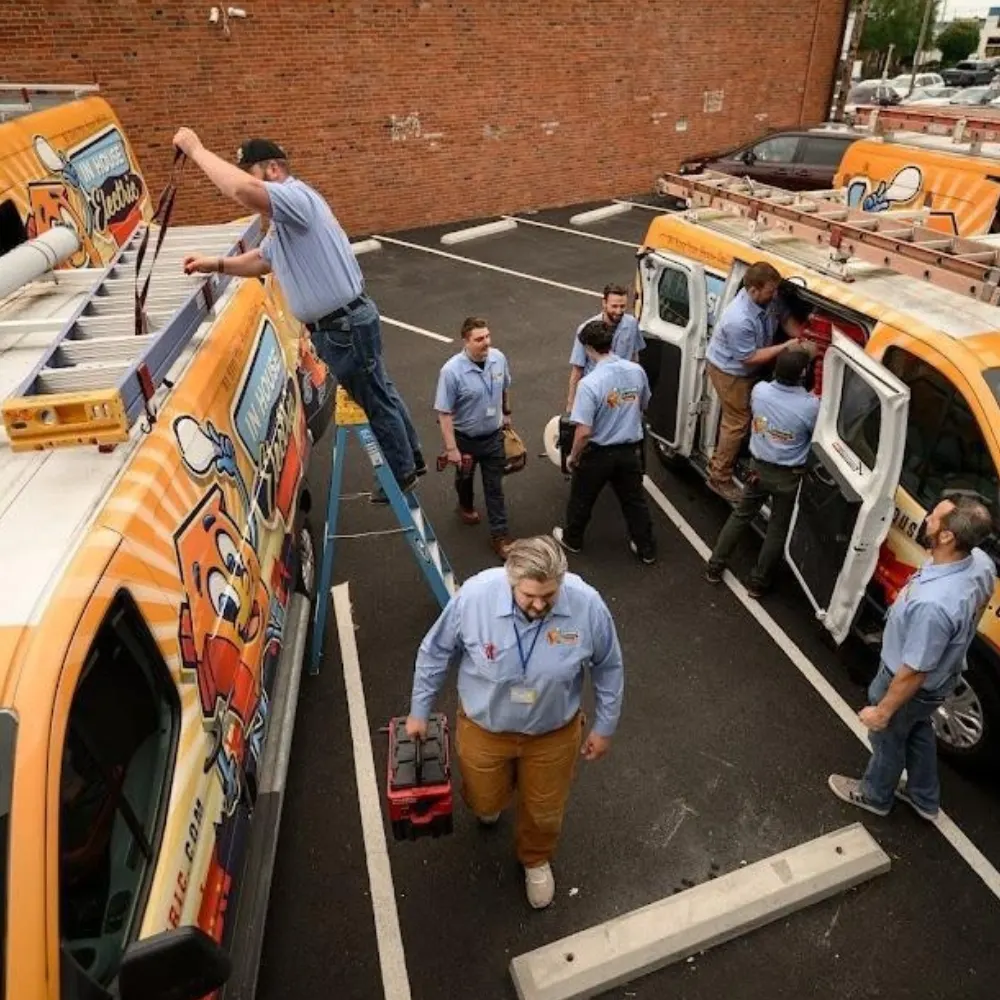
In-House Electrical Services has worked in Snohomish County homes since 2009, and our shop at 1912 Everett Ave in Everett is a short drive from Lynnwood. Our licensed, insured electricians handle repairs, panel upgrades, rewiring and safety upgrades for homes of every age. Call 425-760-3203 or schedule online, and we’ll take a look.