
A breaker swap sounds like the simplest job in electrical work, and sometimes it is. In Seattle, whether it actually stays simple depends on exactly what’s being replaced. The city’s electrical code treats a true like-for-like swap very differently from a breaker change that alters type, amperage, or touches the circuit itself, and getting that distinction wrong is one of the more common ways homeowners end up with a failed inspection or an unpermitted work notice.
In-House Electric has replaced circuit breakers in Seattle homes since 2009, and part of that job is knowing which side of that line your project falls on before we ever open the panel.
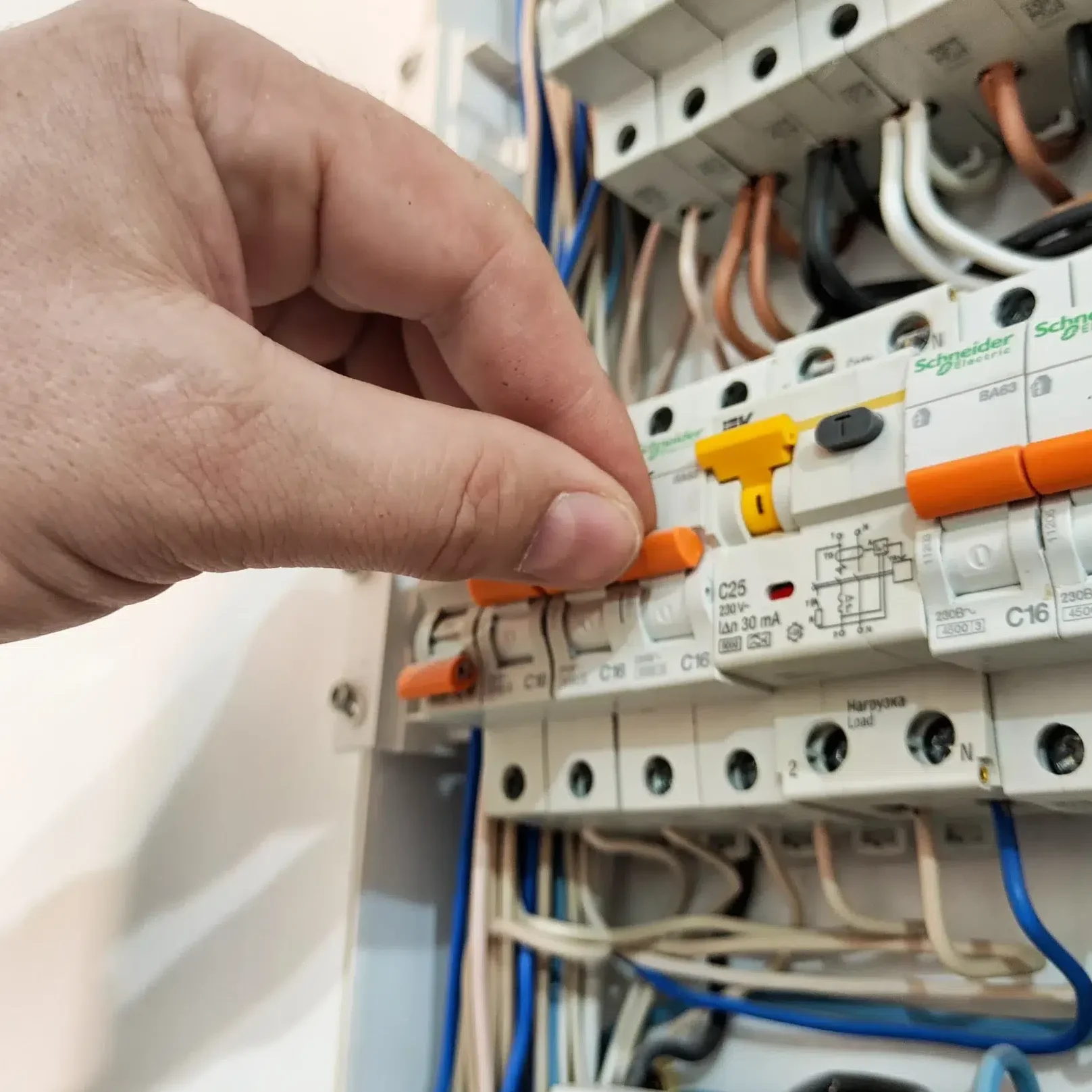
Seattle’s permit code is specific on this point: replacing a circuit breaker with an identical breaker at the same amperage, at the same location, with no changes to the circuit, is permit-exempt. The moment the replacement involves a different breaker type, a different amperage, added or modified circuits, or panel work beyond swapping a single device, it crosses into work that requires a permit from the Seattle Department of Construction and Inspections. Skipping that permit when it’s required isn’t a minor paperwork issue either; unpermitted electrical work in Seattle can draw fines starting at $500, on top of the risk of a stop-work order mid-project.
We check which category your job falls into before we start, so you’re not caught off guard by a permit requirement partway through, or paying for a permit process a straightforward swap never needed.
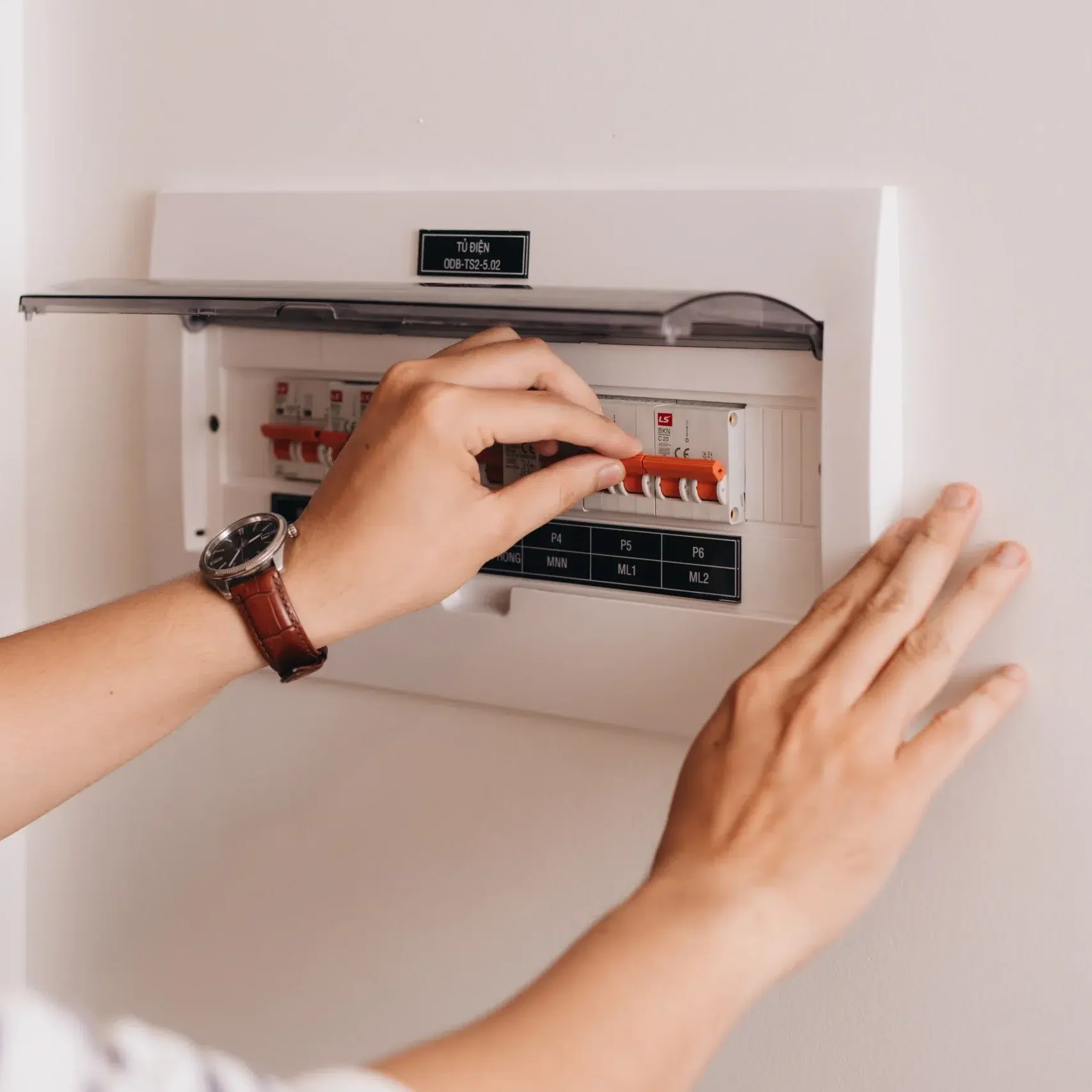
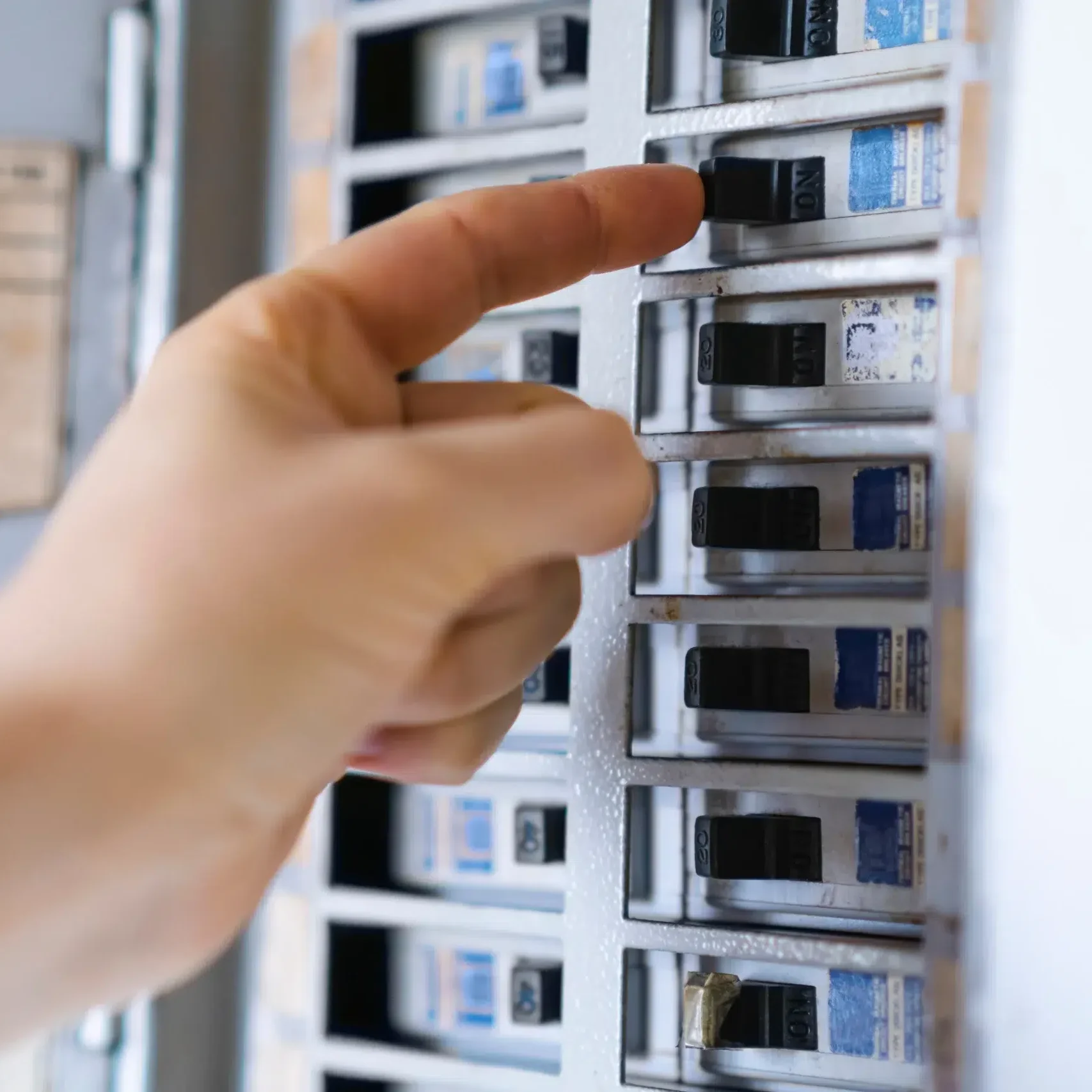
Older Seattle panels were often built and permitted long before arc-fault and ground-fault protection became standard. The current Seattle Electrical Code, based on the 2023 National Electrical Code, requires AFCI protection on new or altered branch circuits serving habitable rooms, and GFCI protection at required locations like kitchens, bathrooms, and outdoor circuits. A pure like-for-like breaker swap doesn’t force an upgrade to these newer breaker types. But if the work goes further, adding a circuit, changing a breaker’s function, or upgrading the panel itself, code-current AFCI or GFCI protection can become a requirement on that circuit even if the rest of the panel is untouched.
This is one of the most common surprises we run into: a homeowner expecting a routine breaker swap learns partway through that the scope actually calls for a different breaker type entirely. We flag this during the evaluation, not after we’ve already opened the panel.

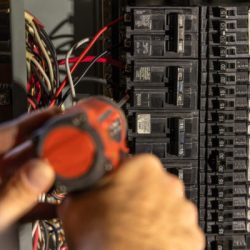
If your panel is a Zinsco or Federal Pacific brand, that’s worth a full evaluation rather than a single breaker swap; these panels have documented reliability issues beyond any one breaker.
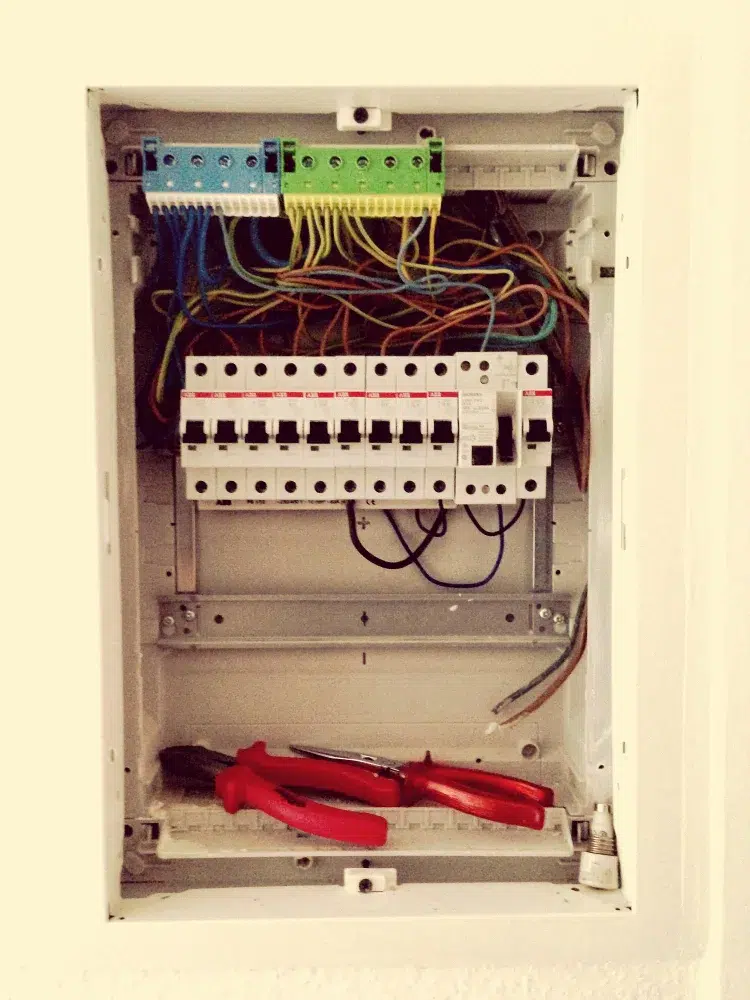
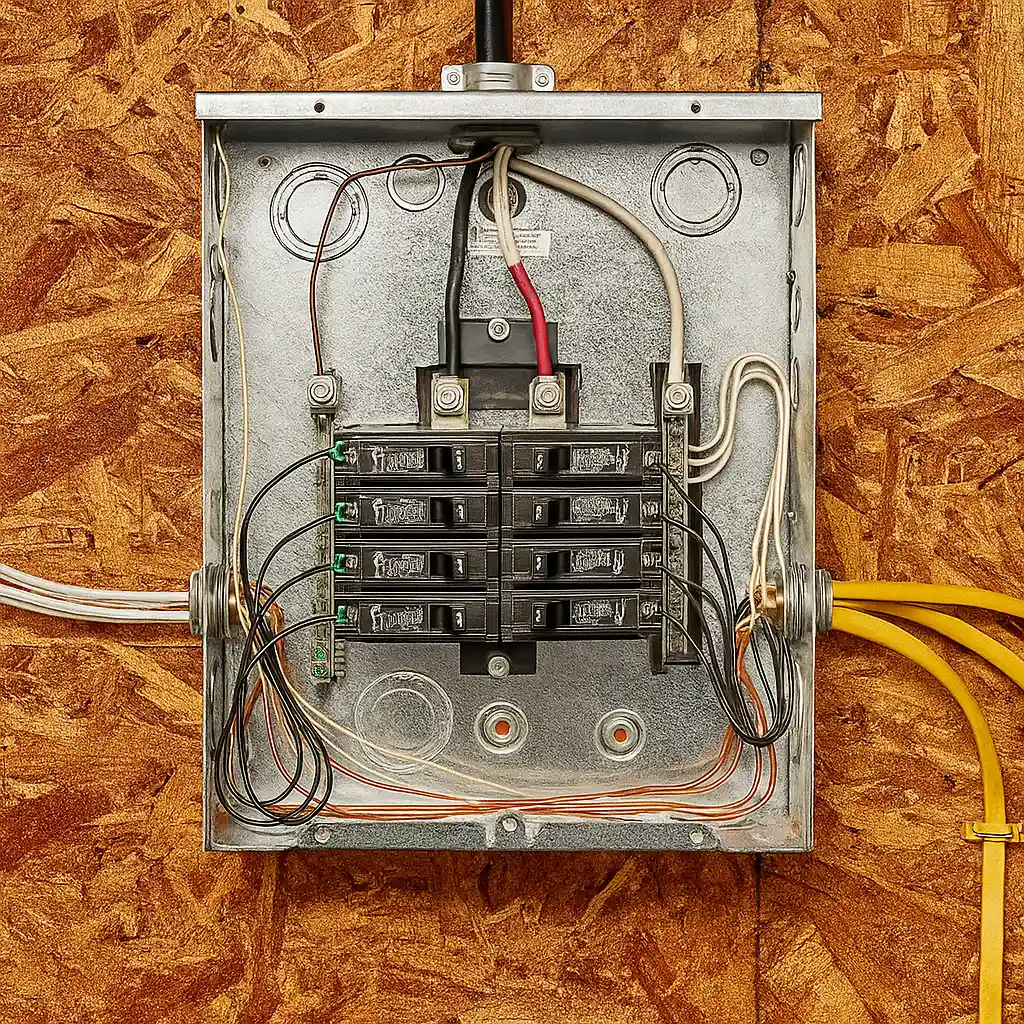
Cost depends on whether the job is a permit-exempt like-for-like swap or work that requires SDCI filing, whether AFCI or GFCI breakers are needed for the circuit involved, and your panel’s brand and age; obsolete or discontinued breaker types, including Zinsco and Federal Pacific panels, often cost more to source or may point toward a panel replacement instead of a single breaker swap. Because scope varies so much between a routine swap and a code-triggered upgrade, we quote after confirming exactly what your panel and circuit need.

We replace circuit breakers throughout Seattle, including Ballard, Fremont, Wallingford, Queen Anne, Magnolia, Capitol Hill, Greenwood, West Seattle, and the University District. Don’t see your block listed? Call (425) 760-3203 or send a message through our contact form, and we’ll confirm coverage for your address.
A breaker that won’t reset or feels warm to the touch isn’t something to wait on. In-House Electric will tell you exactly what your panel needs, and whether that means a simple swap or a permitted upgrade, before any work starts.
Call (425) 760-3203 or request an evaluation online to get started.
Not always. A true like-for-like replacement, same breaker type and amperage, same location, no circuit changes, is permit-exempt under Seattle’s electrical code. If the replacement involves a different breaker type, a different amperage, or any circuit modification, it requires a permit through SDCI. We confirm which category your job falls into before starting.
We can, but we’ll recommend a full panel evaluation first. Both brands are recognized for breakers that can fail to trip during an overload, which is a panel-level reliability issue, not something a single breaker swap fully resolves.
Depends on scope. A pure like-for-like swap generally doesn’t trigger new AFCI or GFCI requirements. But if the work involves an added or altered circuit, or falls under a broader panel upgrade, the current Seattle Electrical Code can require arc-fault or ground-fault protection on that circuit even if the rest of the panel stays as-is.
Seattle does allow homeowners to pull a permit and perform electrical work themselves in an owner-occupied single-family home, provided they do the work personally. That said, breaker compatibility, code requirements, and inspection expectations trip up a lot of DIY attempts. If you go that route, we’re glad to answer questions about what your specific panel requires.
A straightforward, permit-exempt swap usually takes an hour or two. Jobs requiring a permit, or where AFCI/GFCI breakers need to be sourced, typically take longer once inspection scheduling is factored in.
It depends on whether the job is permit-exempt or requires SDCI filing, whether code-current AFCI or GFCI breakers are needed, and your panel’s brand. Discontinued or obsolete breaker types can cost more to source. We provide a written estimate after confirming your panel and the specific breaker involved.
