
Your electrical panel is the one component every circuit in your house depends on, and it’s also the part most homeowners never think about until it starts failing. In a city where a large share of the housing stock predates the 1990s, a lot of Seattle panels are quietly working harder than they were ever designed to.
In-House Electric has replaced and upgraded panels across the Puget Sound region since 2009. We inspect, quote, permit, and install. Every job is handled by a licensed electrician, not a subcontractor, and every estimate is in writing before any work starts.


A panel sized for a 1970s household now has to support central air, an EV charger, a home office, and a kitchen full of appliances that didn’t exist when the panel was installed. Many homes across Seattle are still running on original 60 or 100 amp service, which was a reasonable standard decades ago and is now a real bottleneck. The panel itself doesn’t have to be broken to be a problem. It just has to be undersized for what the house actually needs from it today.

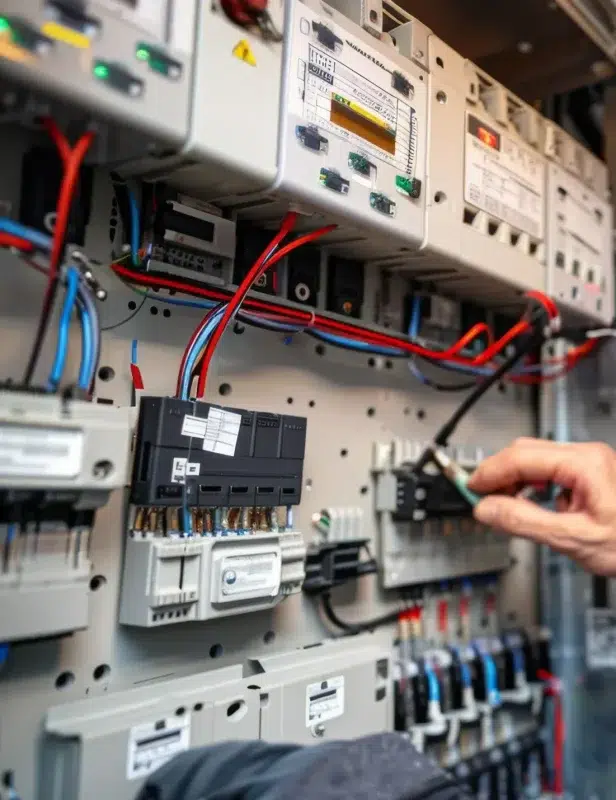

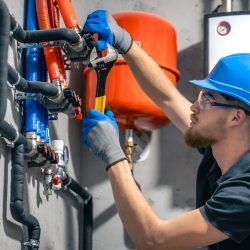
These two brands show up often enough in older Seattle homes that they deserve their own mention. Both were widely installed decades ago, and both have a well-documented history of breakers that fail to trip during an actual overload or fault, which is the opposite of what a breaker is supposed to do. A panel that looks fine on the outside can still be the least safe component in the house. If your panel carries either label, replacement isn’t a maybe. It’s a when.

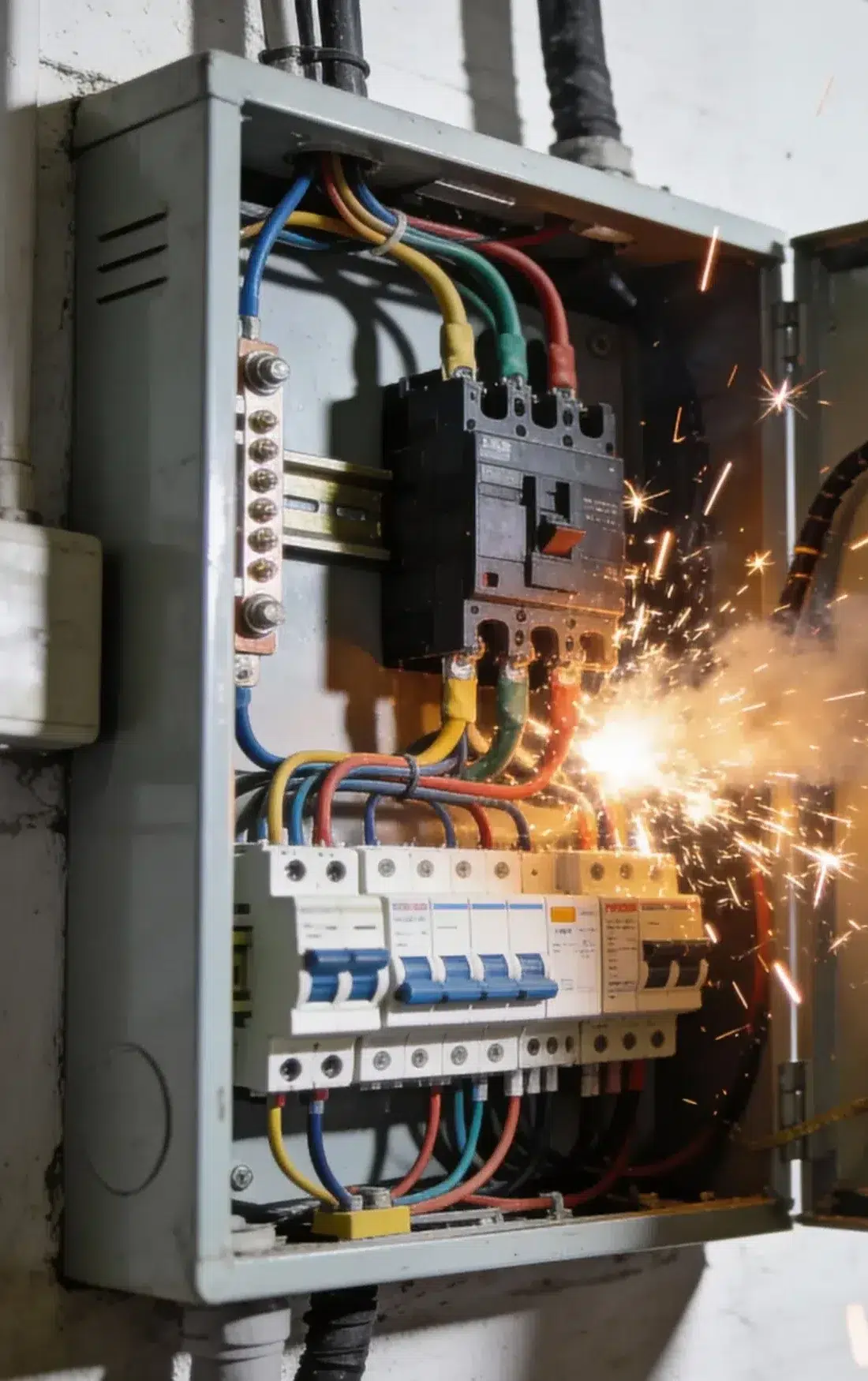


Panel replacement costs depend on the new panel’s amperage, your home’s existing wiring condition, where the panel is located, and whether the service entrance or meter base also needs work. Homes with knob-and-tube wiring, a Federal Pacific or Zinsco panel, or limited panel access often involve more labor than a straight swap, which affects the total. SDCI permit fees are a separate line item on top of the installation itself. Because every home’s setup is different, we don’t estimate over the phone. You’ll get an exact, written number after the on-site evaluation, not a guess based on square footage alone.

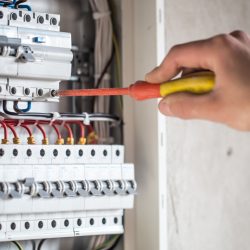
We’re licensed, bonded, and insured under Washington L&I per RCW 19.28, and every electrician on a panel job holds an active journeyman or master license. We’ve worked on homes across Ballard, Fremont, Wallingford, Magnolia, Queen Anne, and West Seattle, so we’re familiar with the specific quirks of Seattle’s older housing stock, from plaster walls to tight basement panel locations. Every estimate is upfront and in writing, every job is permitted through SDCI, and every installation is tested before we call it complete.


We replace and upgrade panels throughout Seattle, including Ballard, Fremont, Wallingford, Magnolia, Queen Anne, Capitol Hill, Greenwood, Phinney Ridge, West Seattle, and the University District. If you’re searching for “electrical panel replacement near me” and your specific neighborhood isn’t listed, call (425) 760-3203 or send a message through our contact form and we’ll confirm coverage for your address.
An undersized or aging panel doesn’t get safer with time, and it tends to surface at the worst moment, mid-renovation, during a storm, or right before a home sale. In-House Electric will inspect your panel, give you a clear estimate, and handle the permit from start to finish.
Call (425) 760-3203 or request an evaluation online to get started.
Repeated breaker trips, a fuse box, an FPE or Zinsco label, or a panel that’s simply too small for what you’re trying to run all point toward replacement rather than repair. We’ll tell you honestly which one applies after an inspection.
Most panels are rated for 25 to 40 years, but that number assumes normal load. A panel can need replacing sooner if it’s been pushed past its original capacity for years.
No. Panel work involves the main service connection and carries real shock and fire risk if done incorrectly, and Seattle requires the work to be performed and permitted through a licensed electrician.
That depends on your home’s square footage, current and planned appliances, and whether you’re adding things like EV charging or a heat pump. We size it based on your actual load, not a default recommendation.
Most replacements take 4 to 8 hours on the day of installation. The full process from estimate to final SDCI inspection typically spans about a week to ten days, depending on permit scheduling.
Yes, for several hours while the old panel is disconnected and the new one is installed and tested. We’ll tell you the expected window in advance so you can plan around it.
Yes, panel replacement requires an SDCI permit and inspection. We handle the entire application and scheduling process for you.
Generally, yes, positively. An outdated panel, especially an FPE or Zinsco brand or a fuse box, is a common red flag on home inspections and insurance reviews. A modern, permitted panel removes that flag.
