
A power outage in Seattle used to mean flashlights and a cold fridge. For a growing share of homes, it now means the heat goes out too. Heat pumps accounted for 81% of home heating system upgrades in Seattle in 2024, installed four times as often as gas or oil furnaces, as the city’s Clean Heat rebates push homeowners off oil and gas. A heat pump only runs on electricity. When the grid goes down, so does your only source of heat.
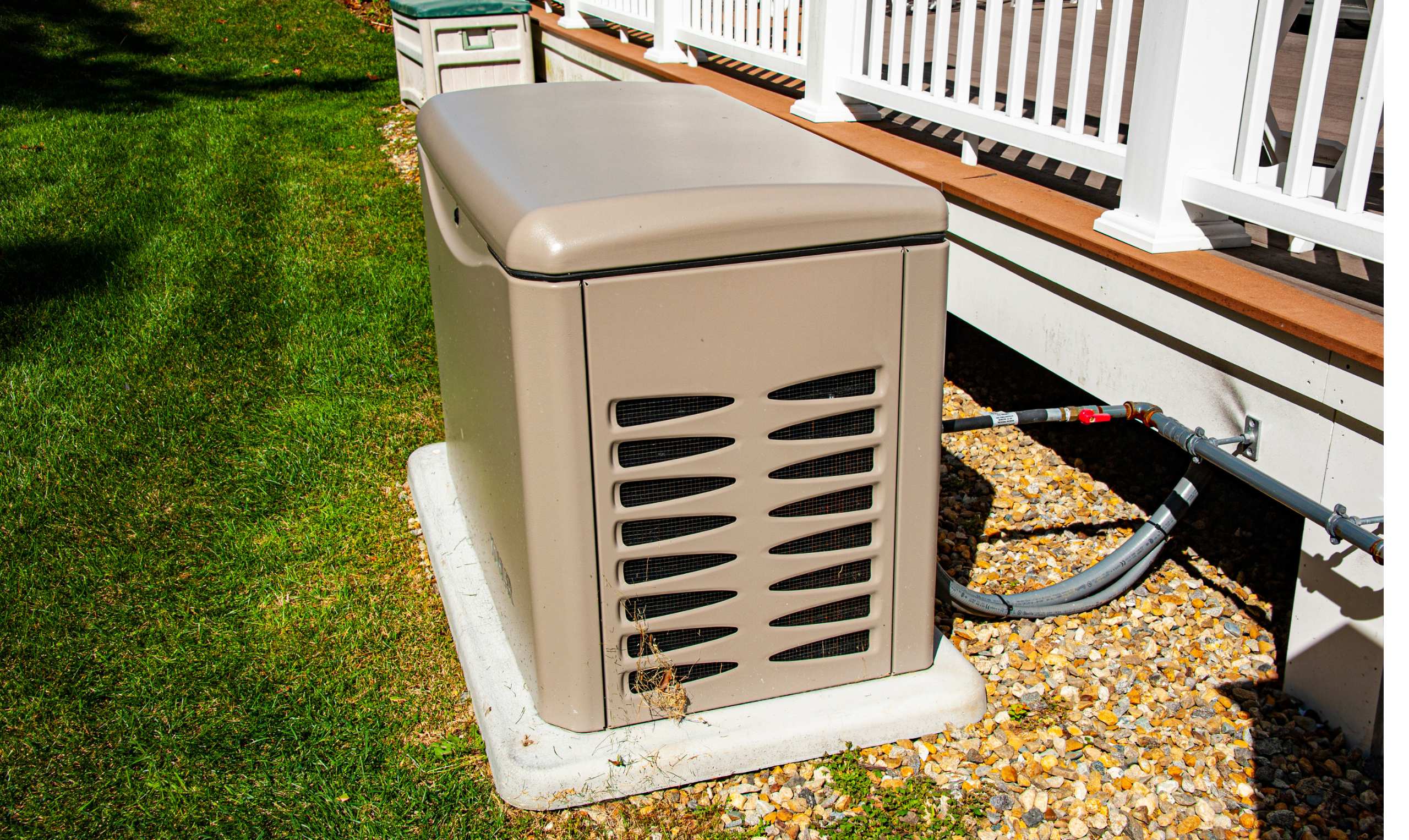
In-House Electric designs and installs both standby generators and battery backup systems for Seattle homes, and increasingly the two get compared side by side because the right answer depends on your lot, your panel, and what you’re actually trying to keep running.
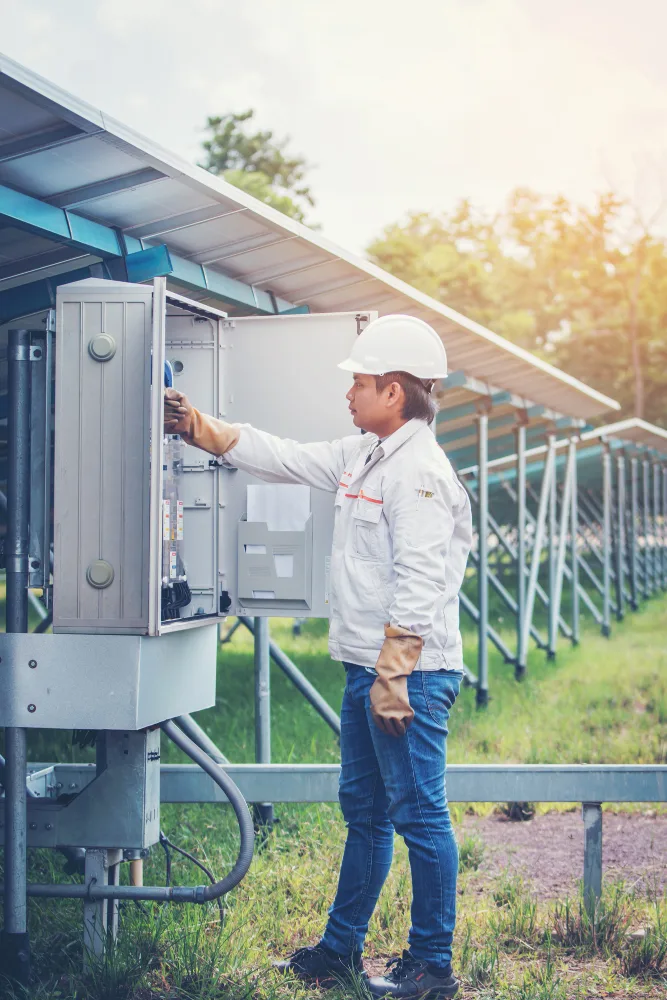
A home with a gas furnace only needs electricity for the blower motor and control board during an outage; a small generator or a modest battery can keep it running. A home with a heat pump needs electricity to generate the heat itself, which is a much larger, more continuous load. As Seattle’s Clean Heat program continues moving households off oil, and as more homeowners choose heat pumps for the efficiency and air-conditioning benefit, the number of homes where losing power also means losing heat keeps climbing.
This changes the backup power conversation. It’s no longer just about keeping the refrigerator and a few lights on. For an all-electric home, sizing a backup system means accounting for a heat pump’s real winter draw, not just the appliance loads a generator spec sheet lists by default.
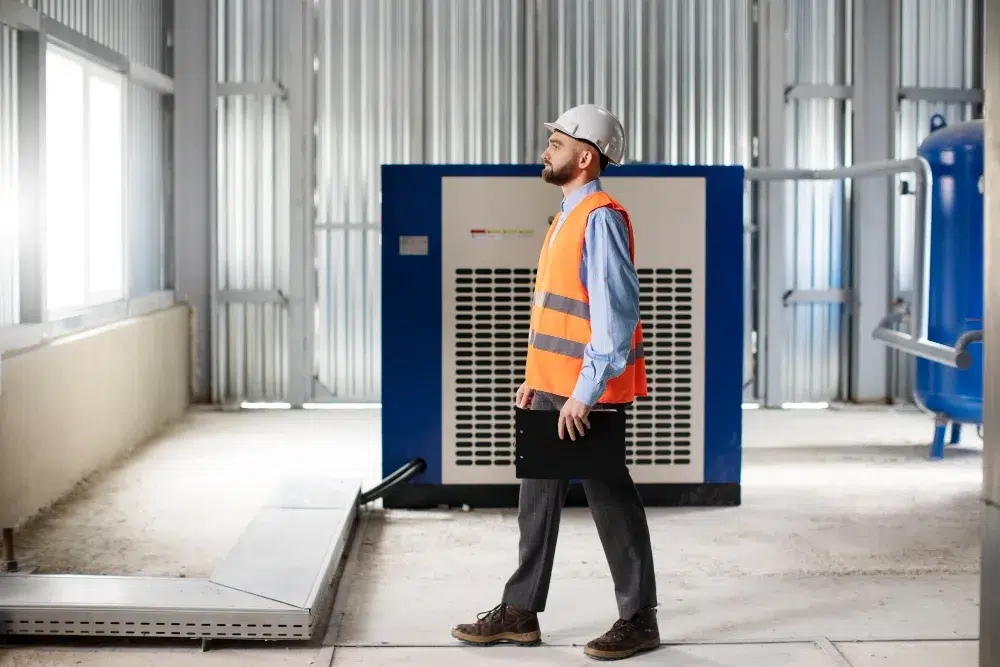

Seattle’s residential lots are tighter than a lot of the surrounding suburbs, and a standby generator has real placement requirements: manufacturer clearances from windows and doors, combustion air space, and compliance with the city’s noise limits. Seattle Municipal Code 25.08.410 sets a residential exterior sound limit of 55 dBA during the day and 45 dBA overnight (10 p.m. to 7 a.m. on weekdays, 10 p.m. to 9 a.m. on weekends), measured at the property line. On a narrow lot in Ballard or Wallingford, or a rowhouse with minimal side yard, fitting a standby unit within both the clearance and noise requirements can be the deciding factor.
Hillside lots common in Queen Anne, Magnolia, and Beacon Hill add another wrinkle: steep grades and retaining walls can limit where a generator can sit level and accessible for fuel and service. A battery backup system sidesteps both issues. It mounts on a wall or in a garage, runs silently, and has no combustion clearance or noise-limit exposure at all, though it trades that flexibility for a finite runtime unless it’s paired with solar.
Neither is a universal answer. We evaluate your lot, your panel, and your loads before recommending one over the other, or a hybrid setup that uses both.
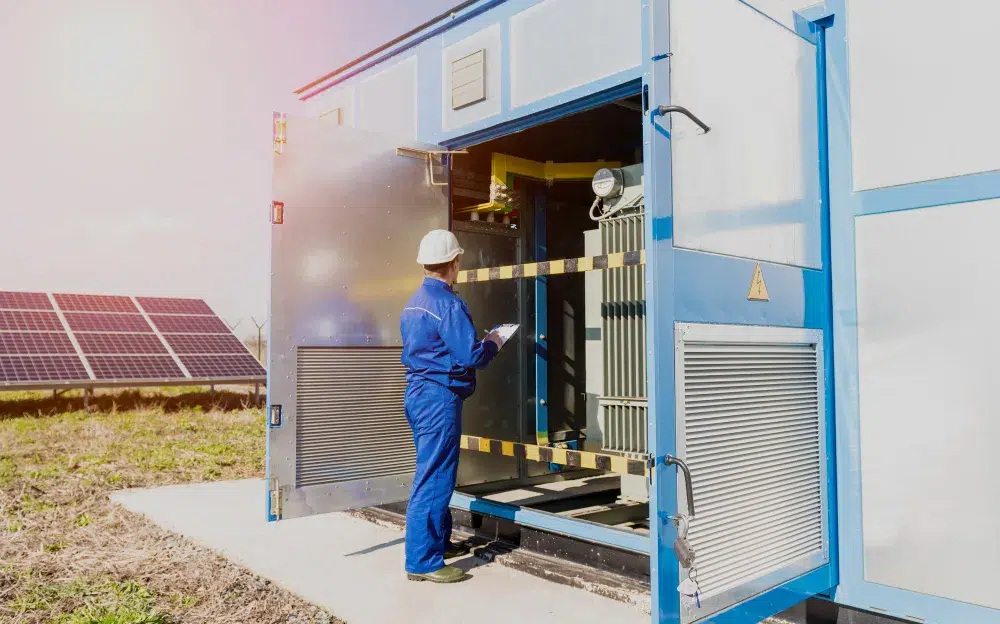
If two or more of these apply, it’s worth having an electrician evaluate your panel capacity and lot constraints before choosing equipment.

Sizing backup power correctly matters more than picking a brand, so we start with your actual loads:

Cost depends on whether you choose a standby generator, a battery system, or both; how much of your home’s load you want covered (a few critical circuits versus whole-home, including a heat pump); your panel’s condition and whether it needs upgrading to support the new equipment; and site-specific factors like lot slope or clearance work needed to meet Seattle’s noise and setback requirements. Because heat pump loads, lot constraints, and panel capacity all vary by home, we provide a written estimate after an on-site evaluation rather than a number sight unseen.


We install generators and battery backup systems throughout Seattle, including Ballard, Wallingford, Queen Anne, Magnolia, Beacon Hill, Capitol Hill, Greenwood, West Seattle, and the University District. Don’t see your block listed? Call (425) 760-3203 or send a message through our contact form, and we’ll confirm coverage for your address.
The next windstorm doesn’t wait for a convenient time, and neither does a heat pump that stops working when the power does. In-House Electric will size a system around your actual home and loads before any equipment gets ordered.
Call (425) 760-3203 or request an evaluation online to get started.
It depends on the battery’s output capacity and your heat pump’s draw, especially in cold weather when the heat pump works hardest. Some whole-home batteries can carry a heat pump; others are sized for critical circuits only. We calculate your heat pump’s real winter load before recommending a system size.
Not if it’s sited correctly. Seattle Municipal Code sets a residential exterior sound limit of 55 dBA in the daytime and 45 dBA at night, measured at the property line. We factor the unit’s sound rating and your lot’s dimensions into placement before installation, not after a complaint.
There’s no universal answer. Generators provide continuous runtime as long as fuel lasts, which matters for multi-day outages and heavy heat pump loads. Batteries are silent and maintenance-free but have finite capacity unless paired with solar. Many all-electric homes end up with a hybrid setup.
Yes, in most cases. Standby generators and battery systems tied into your electrical panel typically require SDCI permitting and inspection. We handle the filing and scheduling as part of the installation.
Not directly into your panel. Doing so without a transfer switch or interlock kit risks backfeeding power onto utility lines, which is dangerous for utility crews working to restore service and is against code. We install transfer switches that make portable or standby generator use safe and code-compliant.
It depends on what you want covered: a few critical circuits, your whole home, or your whole home including a heat pump’s winter draw. We calculate your actual load during the evaluation rather than sizing off a generic per-square-foot estimate.
