
Seattle’s shortest days run around eight and a half hours of daylight in December, and the sky stays overcast roughly 70% of the time in January. For a lot of Seattle homes, that makes lighting less of a finishing touch and more of a functional need for five or six months out of the year. Add in a housing stock full of century-old bungalows with single-bulb ceiling fixtures and eight legally protected historic districts where you can’t just swap an exterior light without approval, and lighting installation here comes with a few local wrinkles a generic checklist won’t cover.
In-House Electric has designed and installed residential lighting across Puget Sound since 2009. We plan around your home’s wiring, your neighborhood’s rules, and Seattle’s actual light levels, not a one-size-fits-all fixture list.
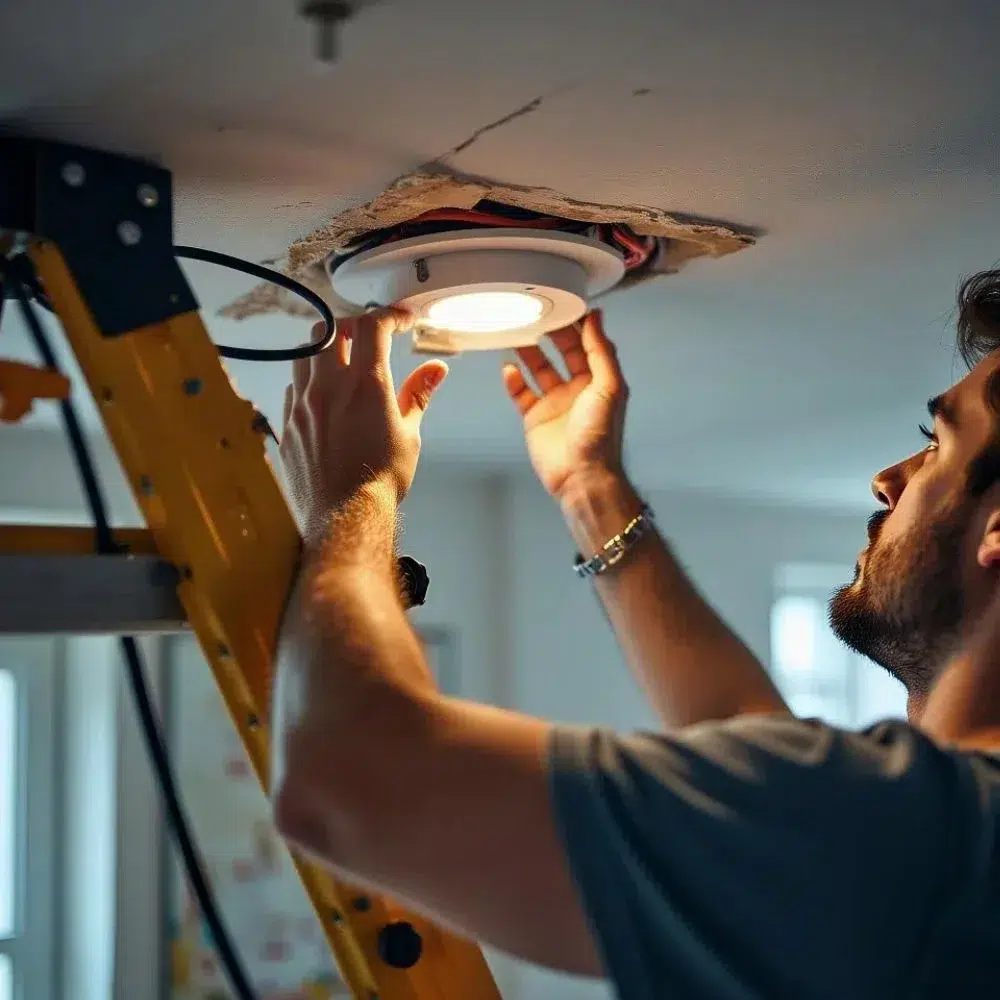
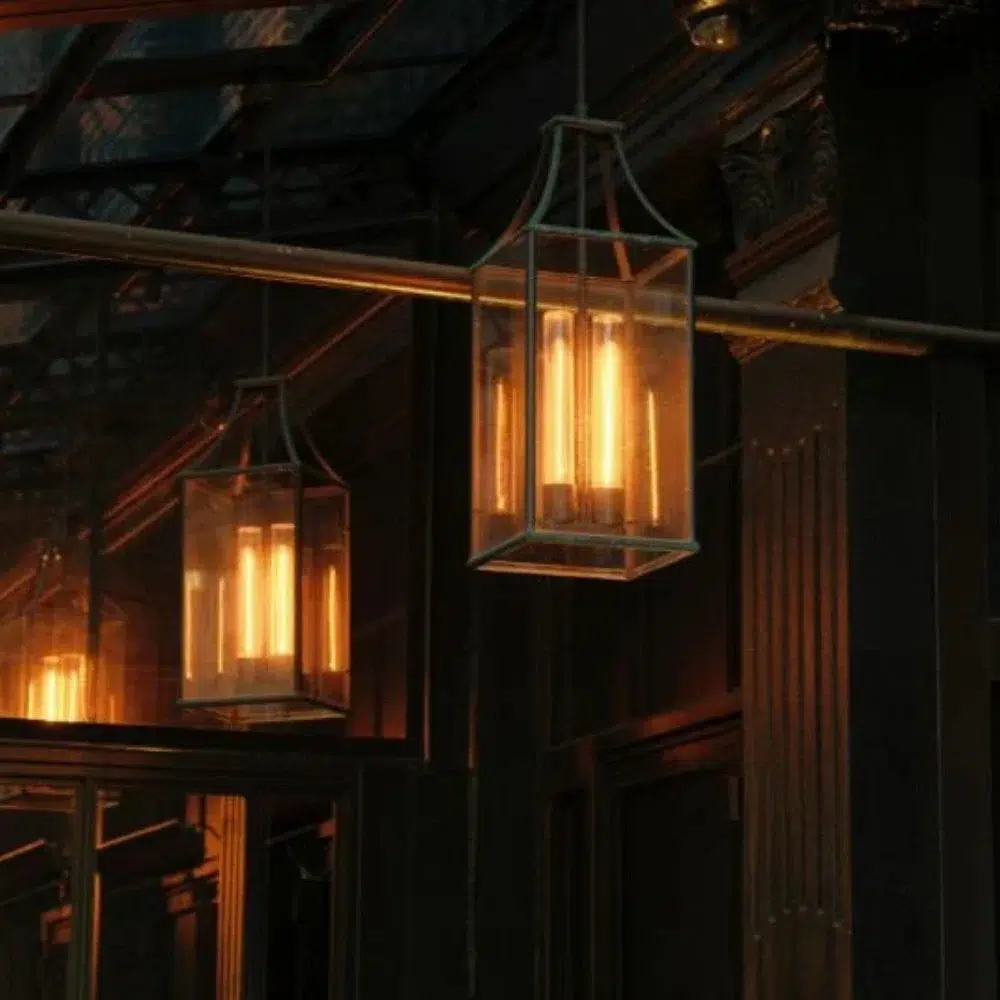
A lighting plan that works fine in a sunnier climate can leave a Seattle home feeling dim for most of the winter. December daylight here runs roughly eight and a half hours, and much of it is filtered through heavy cloud cover, which means interior spaces get far less natural light supplementing your fixtures than homes in most other parts of the country. Kitchens without dedicated task lighting, home offices lit by a single overhead fixture, and living rooms relying on lamps alone all feel the difference more here than they would somewhere with longer, clearer winter days.
The fix isn’t just adding more bulbs. It’s layering ambient, task, and accent lighting so a room stays usable and comfortable through a gray Tuesday in February, not just during a sunny July evening.
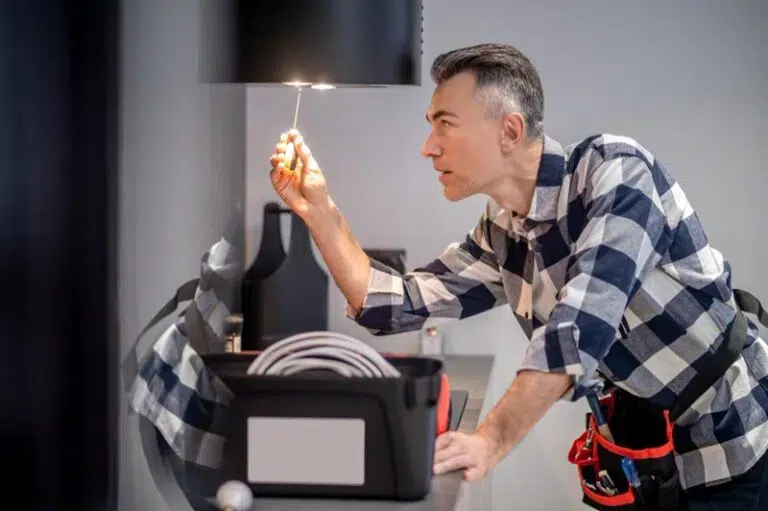

We typically plan Seattle interiors around three layers rather than one fixture type doing all the work:
We also talk with clients about color temperature. Warmer light (around 2700K–3000K) suits living and bedrooms; cooler, higher-CRI light (3500K–4000K) tends to work better in kitchens and workspaces where accurate color and alertness matter more, especially when it’s the primary light source for most of the day.
Seattle has eight designated historic districts: Ballard Avenue, Columbia City, Fort Lawton, Harvard-Belmont, the International District, Pike Place Market, Pioneer Square, and Sand Point Naval Air Station. If your home or storefront sits inside one of these, any visible change to the exterior, including new or replacement light fixtures, requires a Certificate of Approval from the Landmarks Preservation Board or district review board before the city will issue a permit.
This isn’t a formality to skip. Fixture style, finish, and even mounting location can be reviewed against the district’s design guidelines. We’ve worked with these requirements before and can tell you upfront whether your project needs a Certificate of Approval, help prepare what the application needs, and design fixture options that are more likely to fit the district’s character from the start.
Cost depends mainly on whether you need panel-level (whole-home) protection, point-of-use protection for specific systems like a home office or an EV charger, or both, along with your panel’s age and whether it can accept a surge device without other upgrades. Homes with older panels sometimes need a compatibility fix first; homes with newer panels, solar, or battery systems may need protection sized differently than a standard single-family setup. Because your home’s service type and panel condition both factor in, we quote after an on-site look, not over the phone.
If your home still has knob-and-tube or aluminum wiring, we’ll flag that during the evaluation. Older circuits sometimes limit how many fixtures can safely go on one line before other electrical work is needed.

Cost depends on the number and type of fixtures, whether you’re adding new circuits or working within existing ones, your ceiling and wall construction (plaster-and-lath older homes typically take longer than modern drywall), and whether smart or dimmable controls are part of the plan. Projects in a historic district may also involve additional design and approval time before installation starts. Because every home’s wiring and layout is different, we quote after an on-site evaluation rather than a flat per-fixture number.

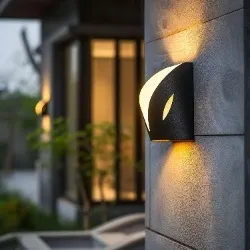
We install lighting throughout Seattle, including Ballard, Fremont, Wallingford, Queen Anne, Capitol Hill, Columbia City, Pioneer Square, Greenwood, West Seattle, and the University District. Don’t see your block listed? Call (425) 760-3203 or send a message through our contact form, and we’ll confirm coverage for your address.
Whether it’s a kitchen that needs real task lighting or an exterior fixture in a historic district, In-House Electric will design a plan around your home and your neighborhood’s rules before any work starts.
Call (425) 760-3203 or request an evaluation online to get started.
Usually yes, but any visible exterior change in one of Seattle’s eight historic districts needs a Certificate of Approval before the city issues a permit. We’ll tell you upfront whether your project needs one and help design fixtures that fit the district’s guidelines.
Sometimes, but not always without other work first. Older circuits have real limits on load and often lack the grounding modern fixtures expect. We evaluate your existing wiring before recommending a lighting plan, and we’ll flag it if rewiring should happen alongside the lighting project.
Yes. We generally recommend warmer light for living spaces and bedrooms, and cooler, higher-CRI light for kitchens and workspaces where accurate color and alertness matter more, particularly since Seattle’s winters mean artificial light does more of the work for months at a time.
In most cases, yes, though some smart switches and dimmers need a neutral wire that older homes may not have at every switch location. We check this during the evaluation and offer compatible options when a full rewire isn’t in scope.
A single room with a few fixtures often takes a few hours. Whole-home layered lighting plans, or projects requiring new circuits or historic district approval, typically run one to a few days depending on scope.
Simple fixture swaps on existing circuits usually don’t require a permit. Adding new circuits, recessed lighting in multiple rooms, or any exterior work in a historic district typically does. We handle SDCI permitting whenever it applies.
