
Seattle issued 987 ADU permits in 2023, up from just 246 in 2018, a fourfold jump that now means new accessory dwelling units outnumber new single-family home permits roughly two to one across the city. Every basement suite, garage conversion, or backyard cottage behind that number needs its own complete set of outlets and switches, built to current code from the first device onward, not a patch job on an existing room. That’s a different scale of switch and outlet work than most cities see, and it shapes how we approach even a routine replacement in an older Seattle home.
In-House Electric has installed and replaced outlets and switches across Puget Sound since 2009, from single faulty outlets to full device layouts for new ADUs.


Most switch and outlet calls are still what you’d expect: a worn outlet, a switch that’s stopped working, a room full of ungrounded two-prong outlets. But Seattle’s ADU boom has added a second, larger category of work. With 87% of ADUs permitted in neighborhood residential zones citywide, a growing share of Seattle homeowners aren’t just replacing a device or two, they’re wiring an entire secondary unit’s worth of outlets and switches from scratch, all of which has to meet current code even though the main house next door may still be running outlets installed decades ago.
That mismatch, an original house with older devices sitting beside a brand-new ADU built to current code, is common enough in Seattle now that we plan for it as a normal part of the job, not an edge case.


A new ADU, basement apartment, or garage conversion isn’t just extra outlets, it’s a full code-compliant device layout: GFCI protection in kitchens and bathrooms, tamper-resistant outlets throughout since these units function as full living spaces, dedicated circuits for kitchen countertops and laundry equipment, and AFCI protection on branch circuits serving habitable rooms under the current Seattle Electrical Code.
Garage conversions add a wrinkle of their own. Detached garages built decades ago often have a single outlet or two on an old circuit meant for power tools, not a full living space. Converting that garage into a DADU usually means the outlet and switch plan starts over completely rather than building on what’s there.

Seattle sees rain on well over 150 days a year, and outdoor outlets take that exposure directly, on decks, patios, and the exterior walls of ADUs with their own entrances. Code requires weatherproof, in-use covers on exterior outlets, the kind that stay closed over the cord while something’s plugged in, not just a flip-lid cover that only protects an empty outlet. We see a fair number of older exterior outlets in Seattle with the wrong type of cover, which passes fine until it doesn’t.
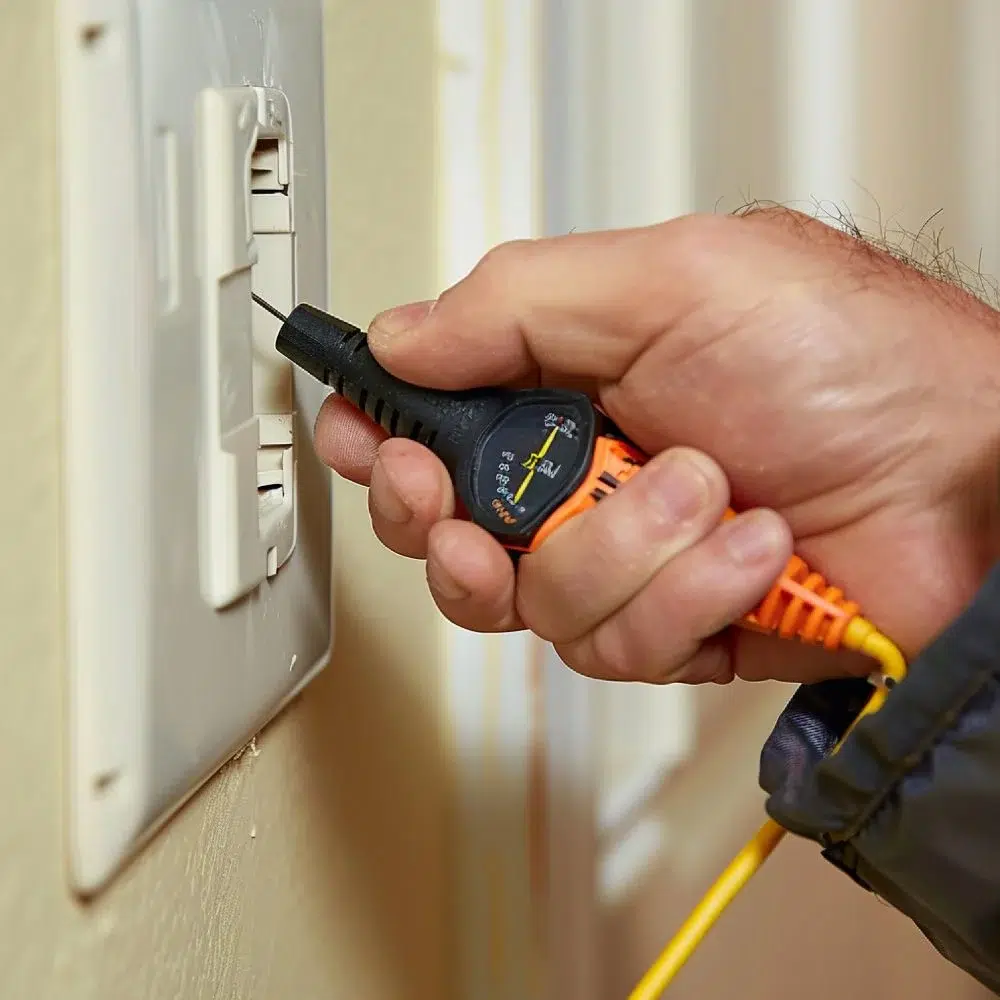


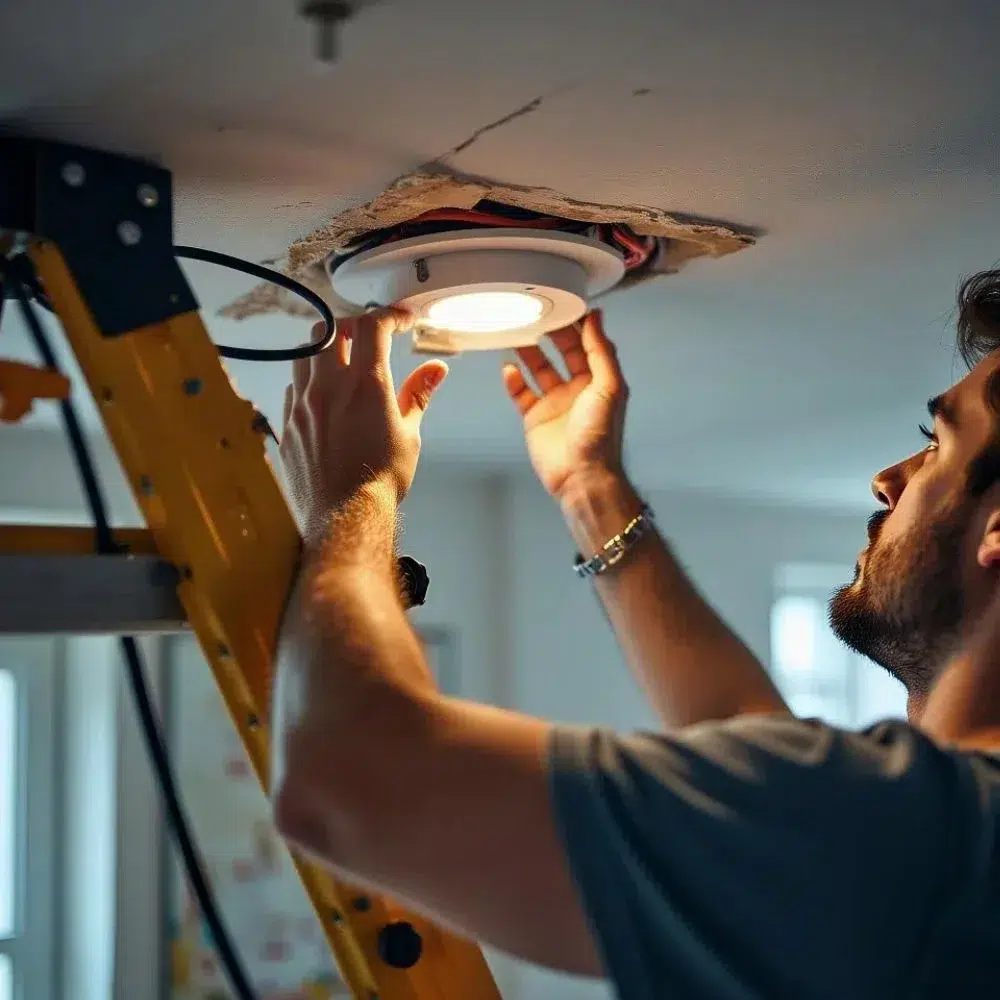

We install and replace switches and outlets throughout Seattle, including Ballard, Fremont, Wallingford, Queen Anne, Magnolia, Capitol Hill, Greenwood, West Seattle, and the University District. Don’t see your block listed? Call (425) 760-3203 or send a message through our contact form, and we’ll confirm coverage for your address.
Whether it’s one worn outlet or a full device layout for a new backyard cottage, In-House Electric will scope the job correctly before any work starts.
Call (425) 760-3203 or request an evaluation online to get started.
Yes, in nearly every case. A new ADU is treated as new construction for electrical purposes, so it needs a complete, code-compliant device layout, GFCI, tamper-resistant, and AFCI protection where required, rather than tying into whatever’s already in the main house.
A true like-for-like replacement, same device type, same location, no circuit changes, is typically permit-exempt. New circuits, added outlets, or work tied to a larger remodel or ADU project generally requires a permit through SDCI. We confirm which applies before starting.
Not everywhere, but code requires them in kitchens, bathrooms, laundry areas, garages, and any outdoor location. If your home predates these requirements, we can add GFCI protection to the specific areas that need it.
If it’s a flip-lid style that only closes over an empty outlet, it doesn’t meet current code. Seattle’s rain means an outlet with something plugged in outdoors needs an in-use weatherproof cover that stays closed around the cord.
It’s technically possible for a homeowner to swap a basic device, but it involves live wiring and carries real risk of shock, fire, or a code violation if done incorrectly. We recommend a licensed electrician, particularly for anything involving GFCI, AFCI, or a circuit you’re not fully familiar with.
It depends heavily on scope: a single replacement costs very differently than a full device layout for a new ADU or conversion. We provide a written estimate after understanding what your project actually involves.
