
Seattle’s power grid is a patchwork by design. Downtown, First Hill, and the University District run on an underground network. Older neighborhoods like Magnolia, Queen Anne, and Madison Park still carry electrical cable that was direct-buried in the ground back in the 1960s and ’70s. Other neighborhoods run mostly overhead, threaded through some of the densest urban tree canopy on the West Coast. Three very different systems, three different ways a voltage spike can find its way into your outlets.
In-House Electric has installed whole-home surge protection across Puget Sound since 2009. We look at how power actually reaches your specific address, not a generic checklist, before recommending anything.

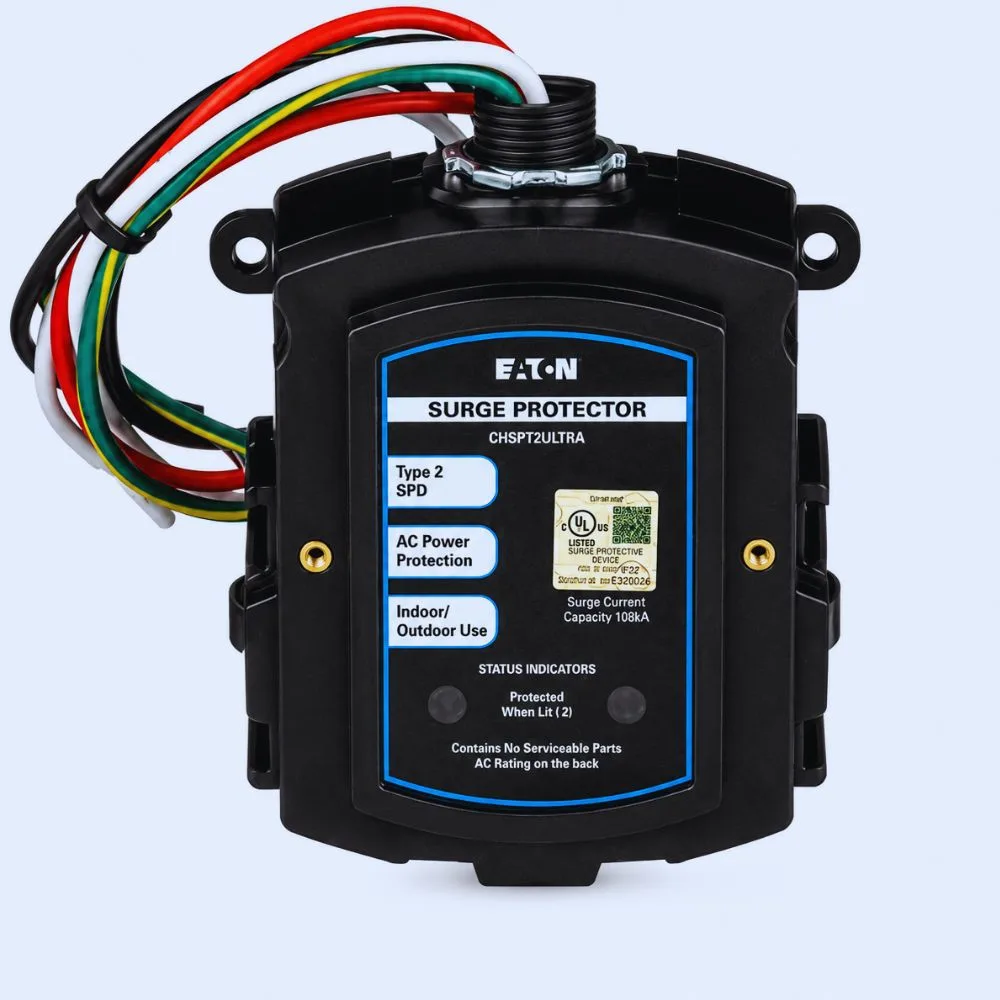
Seattle City Light’s largest outage event since 2006 came on November 19, 2024, when a windstorm cut power to over 114,000 customers in a single night, with the heaviest impact in Shoreline, Lake Forest Park, Burien, and Southeast Seattle. Events like that aren’t just about losing power. It’s the restoration that does the damage: when a feeder gets re-energized after a fault, or when crews switch a neighborhood back onto a different circuit, homes downstream can see a voltage spike well past what breakers are built to catch.
The city’s aging underground infrastructure adds a second, quieter risk. A number of neighborhoods developed during the 1960s and ’70s boom, including Madison Park, Magnolia, Queen Anne, Wedgwood, Laurelhurst, View Ridge, and Meadowbrook, were wired with cable buried directly in soil rather than routed through conduit. That insulation was rated for roughly 40 to 50 years. A lot of it is past that mark now, and degrading underground cable doesn’t always fail cleanly. It can arc, fault, and send a transient spike through the system before it finally trips.
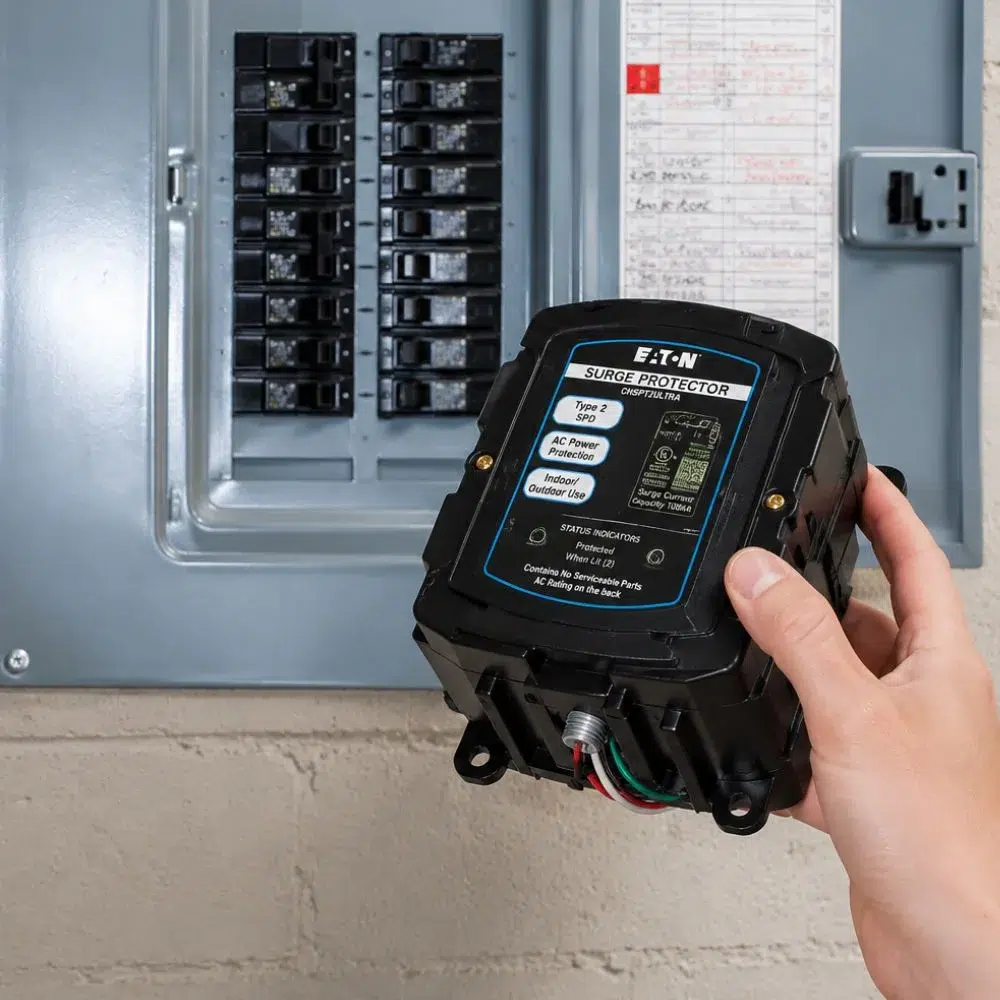

If your home runs on overhead service, in neighborhoods like Ravenna, Greenwood, or parts of West Seattle, your biggest exposure is weather. Seattle City Light has named trees the leading cause of outages across its service area, and a branch contacting a line doesn’t just cut power; it can send a surge down the circuit before the breaker or fuse clears the fault.
If your home is on direct-buried cable in one of the older underground neighborhoods, the risk profile is different: aging insulation, slow degradation, and faults that aren’t visible from the street the way a downed line is. Seattle City Light has started replacing some of this cable, but neighborhood-by-neighborhood excavation takes years to work through.
And if you’re anywhere near the downtown network grid, outages are rarer, but restoration switching after any fault on a shared feeder can still push a spike into nearby homes.
We don’t install the same surge protector everywhere. What your home needs depends on which of these three systems is actually feeding it, and we check that before quoting anything.
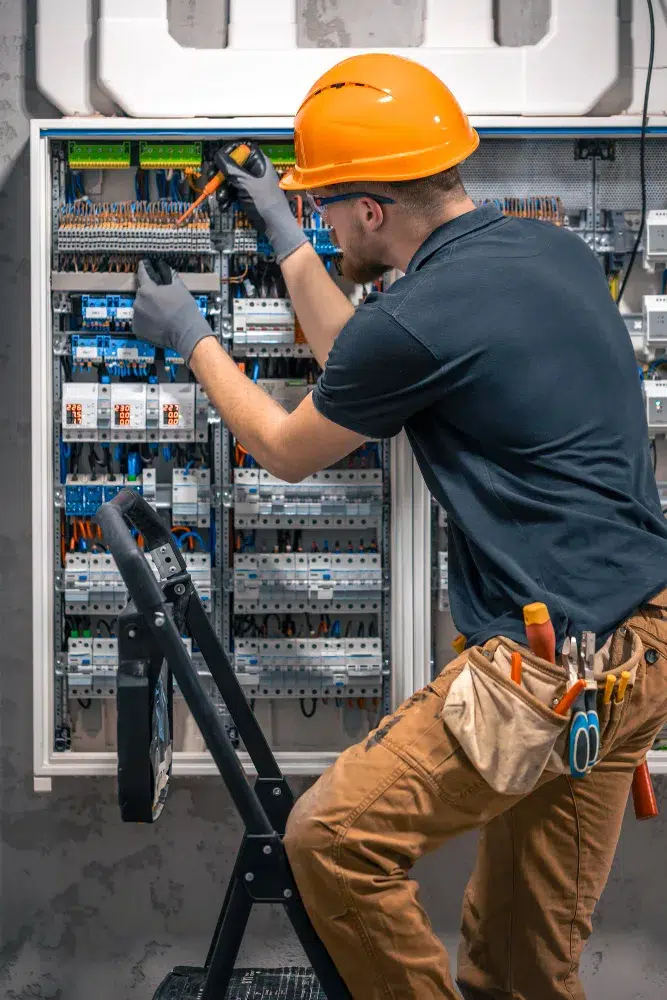
If any of these sound familiar, it’s worth having an electrician look at both your panel and your home’s specific service type, overhead, buried, or network, before assuming a plug-in strip is enough.
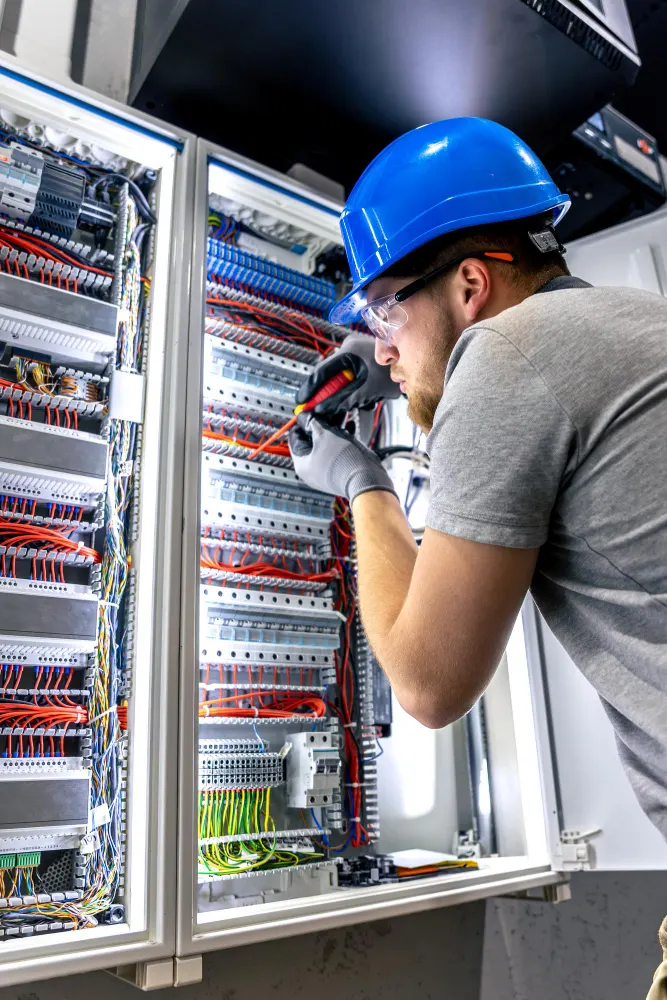
Surge protection isn’t one-size-fits-all, so we start by understanding what’s actually feeding your home:
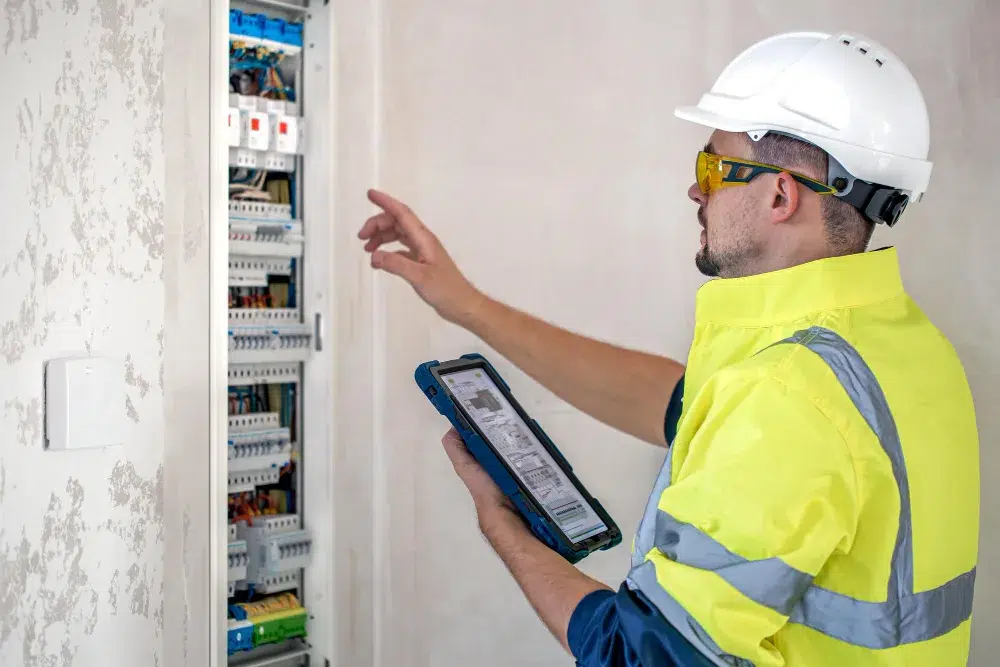
Cost depends mainly on whether you need panel-level (whole-home) protection, point-of-use protection for specific systems like a home office or an EV charger, or both, along with your panel’s age and whether it can accept a surge device without other upgrades. Homes with older panels sometimes need a compatibility fix first; homes with newer panels, solar, or battery systems may need protection sized differently than a standard single-family setup. Because your home’s service type and panel condition both factor in, we quote after an on-site look, not over the phone.

A surge doesn’t wait for a convenient time, and by the time you notice the damage, it’s already done. In-House Electric will check how power actually reaches your home and tell you exactly what level of protection makes sense before any work starts.
Call (425) 760-3203 or request an evaluation online to get started.
It helps with the surge that can accompany a cable fault or the restoration switching afterward, but it doesn’t prevent the outage itself or fix degrading cable. If you’re in one of the older underground neighborhoods, panel-level protection plus keeping an eye on SCL’s replacement schedule for your area is the realistic combination.
Usually yes. Inverters, EV charging equipment, and battery systems are more sensitive to voltage transients than typical household electronics, and some manufacturers require documented surge protection to honor their warranty. We size protection around the specific equipment on your panel.
Different problems, and surge protection doesn’t substitute for either. Knob-and-tube and aluminum wiring are about the condition of the conductors themselves; surge protection is about voltage spikes traveling through whatever wiring you have. If your home has either, we’ll flag it during the evaluation and explain how the two projects relate.
Not universally, but some insurers ask about it for homes with solar, high-value electronics, or a claims history involving storm damage. We can provide documentation of what’s installed for your insurer either way.
For a straightforward panel that can accept the device as-is, installation itself typically takes a few hours. If your panel needs other work first, grounding, capacity, or an upgrade, that gets scoped and quoted separately during the evaluation.
Plug-in strips protect what’s plugged into them, nothing more, and most are rated for far smaller spikes than what a grid-switching event or a cable fault can produce. They’re a reasonable second layer for sensitive electronics, but they’re not a substitute for protection at the panel.
