
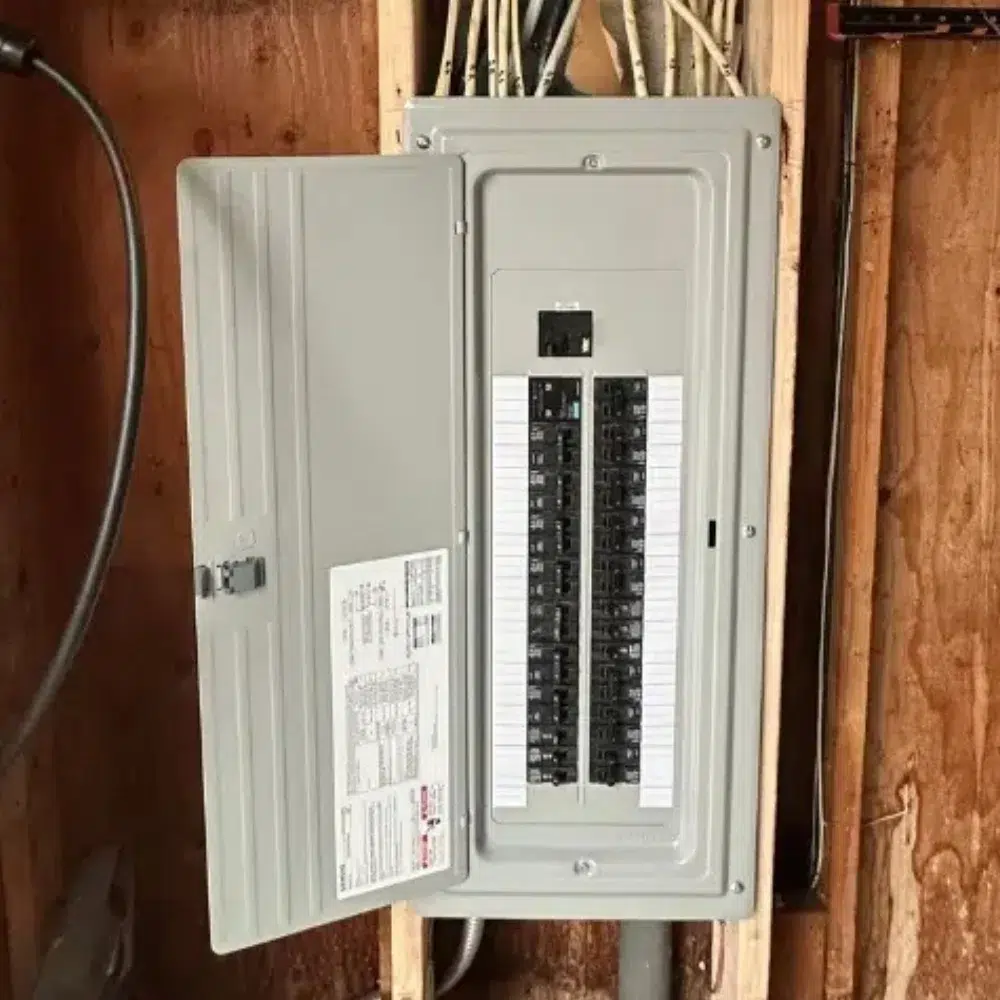
A buyer closes on a Lynnwood home built in the 1970s, moves in over the following weeks, and starts noticing small things. A breaker trips more often than expected. An outlet in the garage does not have power. A home inspector’s report mentioned the panel in passing but did not flag it as a concern. None of this comes up until the buyer calls an electrician for something unrelated, and the electrician points out several items that a general home inspection is not actually designed to catch. This is one of the more common ways Lynnwood homeowners end up learning they need an electrical safety inspection, months after they would have preferred to know.
The Gap Between a General Home Inspection and an Electrical Inspection
A standard home inspection during a real estate transaction covers more than a glance at outlets. Under Washington’s home inspection standards, inspectors are expected to check visible grounding and bonding, identify the type of wiring present, remove the accessible panel cover to look at conductor condition, and note recognized hazardous panel types, in addition to confirming outlets are functional and GFCI protection exists where required.
What a general inspection does not do is go beyond what is visible and accessible during a single walkthrough. A licensed electrician’s inspection can include diagnostic testing, a load calculation against the home’s actual current electrical use, and a closer look at anything the general inspector flagged but did not have the scope to fully evaluate. The two are not doing the same job. The general inspection is a broad safety screening, and the electrician’s inspection is a focused, deeper evaluation.
A general inspector is trained to spot red flags across every system in the house, from the roof to the foundation to the plumbing, and is required to report relevant electrical hazards and refer them to a licensed electrical contractor. An electrician’s inspection goes further specifically because electrical work is their full focus, not one item on a long checklist.
Common Findings in Lynnwood’s Older Housing Stock
Lynnwood has a significant amount of housing built between the 1960s and 1980s, and that era of construction comes with some recurring patterns worth knowing about before you buy, or shortly after.
Panel age and type. Some panels from this era, including certain brands that are now recognized as having higher failure rates, were installed in good faith at the time but are considered hazardous by today’s standards. Washington’s inspection standard requires a general home inspector to identify and report recognized hazardous panel types, so this is something that should come up in a standard inspection report, not something buyers have to discover independently later.
Grounding systems that predate modern requirements. Homes built before grounding requirements were standardized may still have functioning systems that do not meet current code, which matters both for safety and for how well any future surge protection or new circuits will perform.
Aluminum branch wiring, where present. Some homes from the mid-1960s through the mid-1970s used aluminum wiring for branch circuits instead of copper. A general home inspector is required to identify the presence of aluminum wiring as part of a standard inspection, since it is a recognized hazard that requires specific connection methods and periodic inspection to manage safely.
These findings do not all carry the same severity. Whether any of them represents an urgent safety issue or a longer-term item to plan around depends on the specific condition found, and that is something a licensed electrician needs to assess individually rather than something a homeowner should assume either way.
Safety Concern vs. Code Non-Conformance
Not every electrical inspection finding carries the same weight, and understanding the difference matters when deciding what to prioritize.
A safety concern is something posing an active or near-term risk, such as an overheating breaker, exposed live wiring, or a panel showing signs of arcing damage. These typically need attention regardless of anything else.
A code non-conformance is something that would not meet current code if installed today. Whether it was legal when installed, and whether it needs to be upgraded now, depends on several things: what the code required at the time, whether the system has been altered since, whether it poses an actual identifiable hazard, and what the local jurisdiction requires. Not meeting today’s code does not automatically mean a system is unlawful or must be upgraded immediately, but it also is not automatically fine simply because it is older. This is a case-by-case determination, and it is worth having an electrician make that call for your specific home rather than assuming either way. This distinction also matters because insurers and lenders sometimes treat safety concerns and non-conformance findings very differently.
Pre-Listing Inspection vs. Post-Purchase Inspection
Homeowners in Lynnwood considering a sale sometimes ask whether a pre-listing electrical inspection is worth the cost. It often is, for a specific reason: it gives the seller the chance to address findings on their own terms and timeline, rather than having them surface during a buyer’s inspection period, where they can become a negotiation point or a delay.
For buyers, a post-purchase inspection serves a different purpose. It is not about negotiating the sale price anymore. It is about understanding exactly what you now own, prioritizing any safety items, and having a clear picture before you plan renovations, add an EV charger, or make other changes that depend on the panel having available capacity.
What Documentation Buyers Should Request
Before closing, buyers can ask the seller for any documentation related to electrical work, including permits for panel replacements, rewiring, or major additions. Permit records are generally held by the local permitting authority for that specific property, which in Lynnwood may be the city or Snohomish County depending on jurisdiction, and checking those records is worth doing if the seller’s disclosure mentions any electrical upgrades. A seller’s disclosure form is required to note known issues the seller is aware of, but it reflects the seller’s knowledge at the time of disclosure, not an independent evaluation, so it is not a substitute for what a licensed electrician would find during a hands-on inspection.
Frequently Asked Questions
Does an electrical safety inspection require a permit?
No, an inspection itself does not require a permit. A permit becomes necessary only if the inspection leads to corrective work such as a panel replacement or rewiring.
How long does an electrical safety inspection take?
Most residential inspections take a few hours, depending on the size of the home and how accessible the panel, attic, and crawlspace are.
What isn’t covered in a typical electrical safety inspection?
An inspection is a visual and functional evaluation of accessible components. It does not involve opening every wall to trace wiring, and it will not catch problems hidden behind finished surfaces unless there are visible symptoms pointing to them.
Should I get an inspection even if the general home inspector didn’t flag anything?
Yes, particularly for homes built before the 1990s. A general home inspector’s electrical checklist is not a substitute for a licensed electrician’s evaluation of panel condition, grounding, and wiring type.
Can I use an electrical inspection report during price negotiations before closing?
Yes, if the inspection happens during your due diligence period, findings can be used the same way general inspection findings are, as a basis for requesting repairs or a price adjustment. Timing matters, so it is worth scheduling promptly once you are under contract.
Know What You’re Buying Before You Own It
An electrical safety inspection fills in exactly what a general home inspection leaves out. Whether you are about to close on a Lynnwood home or you moved in a while ago and have never had the panel and wiring properly evaluated, it is worth knowing what you are working with.
Call In-House Electrical Services at (425) 760-3203 to schedule an electrical safety inspection. Serving Lynnwood and the surrounding Snohomish County area.